SAP Design System adds AI and cross-platform UI kits
SAP updated its Design System with AI guidance, Joule Work references, and UI kits for web, Android, iOS, and digital apps.

Design teams building SAP apps need one system that works across web, mobile, and AI features without drifting from brand or accessibility rules.
SAP updated its Design System with UI kits, accessibility guidance, and AI design support for enterprise apps.
The company’s design hub now groups SAP Design System resources for SAP Fiori for Web, SAP Fiori for Android, SAP Fiori for iOS, and the SAP Digital Design System.
| 項目 | 數值 |
|---|---|
| Platform kits | 4 |
| Core principles | 5 |
| AI focus | Joule Work and generative AI guidance |
| Design priorities | Simple, delightful, coherent, role-based, adaptive |
What changed
Get the latest AI news in your inbox
Weekly picks of model releases, tools, and deep dives — no spam, unsubscribe anytime.
No spam. Unsubscribe at any time.
SAP’s design page now highlights a broader set of resources for product teams, with a stronger emphasis on AI-led workflows and consistent UI patterns. The “What’s New” area points to work around Joule, compositional design, and product illustrations used to explain AI features more clearly.
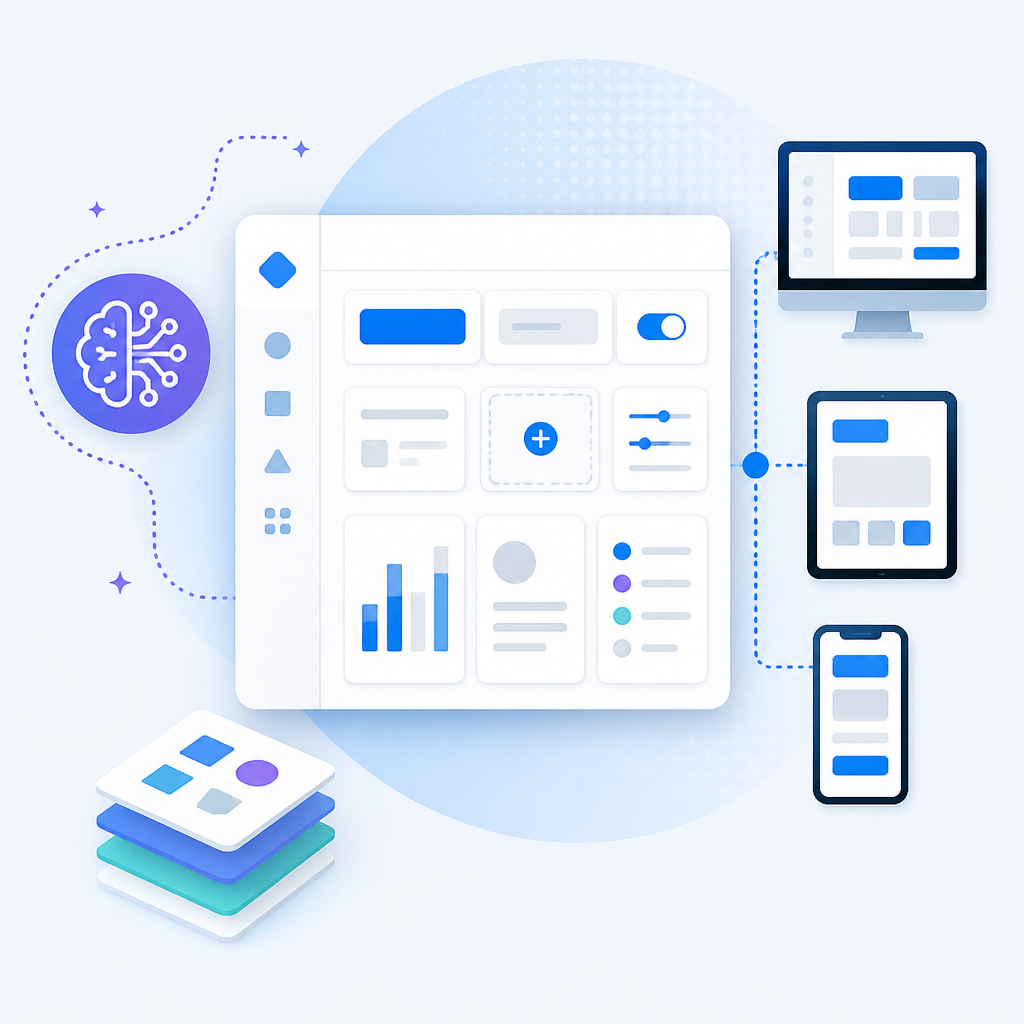
- Web, Android, iOS, and digital UI kits are all surfaced from one hub.
- Newer guidance focuses on AI collaboration and end-to-end business processes.
- Design content calls out inclusive and accessible defaults from the start.
- The system is framed as enterprise-grade, with support for large SAP product portfolios.
SAP also spells out the system’s design principles: simple, delightful, coherent, role-based, and adaptive. Those principles are paired with building blocks such as visual foundation, UI elements, and UI technologies, so teams can move from concept to implementation with fewer handoffs.
Why it matters
For developers, a centralized system reduces guesswork when building SAP-facing apps across devices and form factors. It also gives teams a clearer path for adding AI features without inventing new interaction patterns for every product.
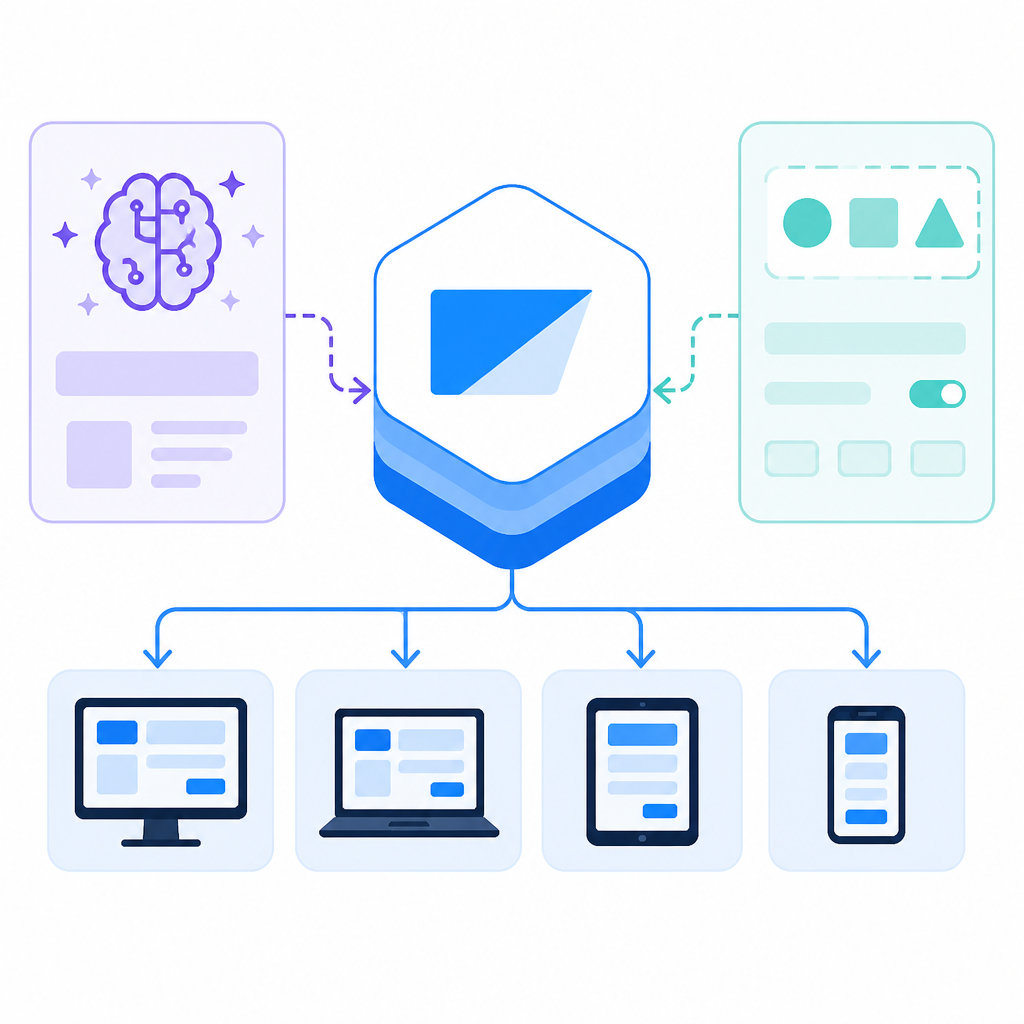
For the market, SAP is signaling that enterprise software design now includes AI behavior, accessibility, and cross-platform consistency in the same workflow. That matters because buyers increasingly expect business apps to feel coherent whether they run in a browser, on a phone, or inside an AI-assisted process.
The key question is no longer whether enterprise software needs a design system, but how quickly teams can adapt one for AI-driven work without breaking consistency.
// Related Articles
- [TOOLS]
OpenAI's HF breach story turns into a security template
- [TOOLS]
ChatGPT Health turns general chat into a health layer
- [TOOLS]
Microsoft adds AMD chips to Azure AI and HPC
- [TOOLS]
Kimi K3 vs GLM-5.2: a one-endpoint test
- [TOOLS]
Gemini Live camera turns seeing into help
- [TOOLS]
JianGuoYun Wins Because File Sharing Should Be Sync, Not Shipping