Microsoft and OpenAI’s split is already visible
4 signs show Microsoft and OpenAI are drifting apart as exclusivity fades, new models ship, and control gets harder to define.

Microsoft and OpenAI are drifting from tight partners into looser competitors.
Microsoft once held the inside track on OpenAI, but the latest moves suggest a relationship that is less locked in than it used to be. With Microsoft still owning a 27% stake in OpenAI’s for-profit business, the tension is now about control, product strategy, and who gets to lead in AI.
| Item | What it signals | Key detail |
|---|---|---|
| Microsoft stake | Financial tie remains strong | 27% in OpenAI’s for-profit business |
| Microsoft MAI-Thinking-1 | More direct competition | New in-house AI model |
| OpenAI exclusivity | Less dependence | Relationship has become less exclusive |
| Partnership dynamic | Strategic uncertainty | Described as a “situationship” |
1. A 27% stake is not the same as control
Get the latest AI news in your inbox
Weekly picks of model releases, tools, and deep dives — no spam, unsubscribe anytime.
No spam. Unsubscribe at any time.
Microsoft’s ownership gives it a major financial and strategic position, but it does not mean OpenAI is simply an extension of Microsoft. That gap matters now that both companies are making moves that look less collaborative and more self-directed.

In practice, the stake keeps Microsoft close to OpenAI’s future while still leaving room for friction over product direction, access, and influence. The relationship can be valuable and unstable at the same time.
- Microsoft: 27% stake in OpenAI’s for-profit business
- OpenAI remains private and independently managed
- Financial alignment does not guarantee product alignment
2. Microsoft’s MAI-Thinking-1 changes the tone
Microsoft revealing its own MAI-Thinking-1 model is the clearest sign that it is no longer content to rely only on OpenAI. Once a partner starts shipping a comparable in-house model, the partnership begins to look more like hedging.
That does not mean the relationship is over. It does mean Microsoft is preparing for a future where it cannot assume OpenAI will always be its preferred or exclusive AI supplier.
- New Microsoft model: MAI-Thinking-1
- Signal: more internal AI development
- Effect: less dependence on OpenAI
3. Less exclusivity makes room for competition
The article points to a timeline of “lessening exclusivity,” which is often how close tech partnerships drift apart before anyone says so outright. When exclusivity fades, both sides gain flexibility, but they also gain reasons to compete.
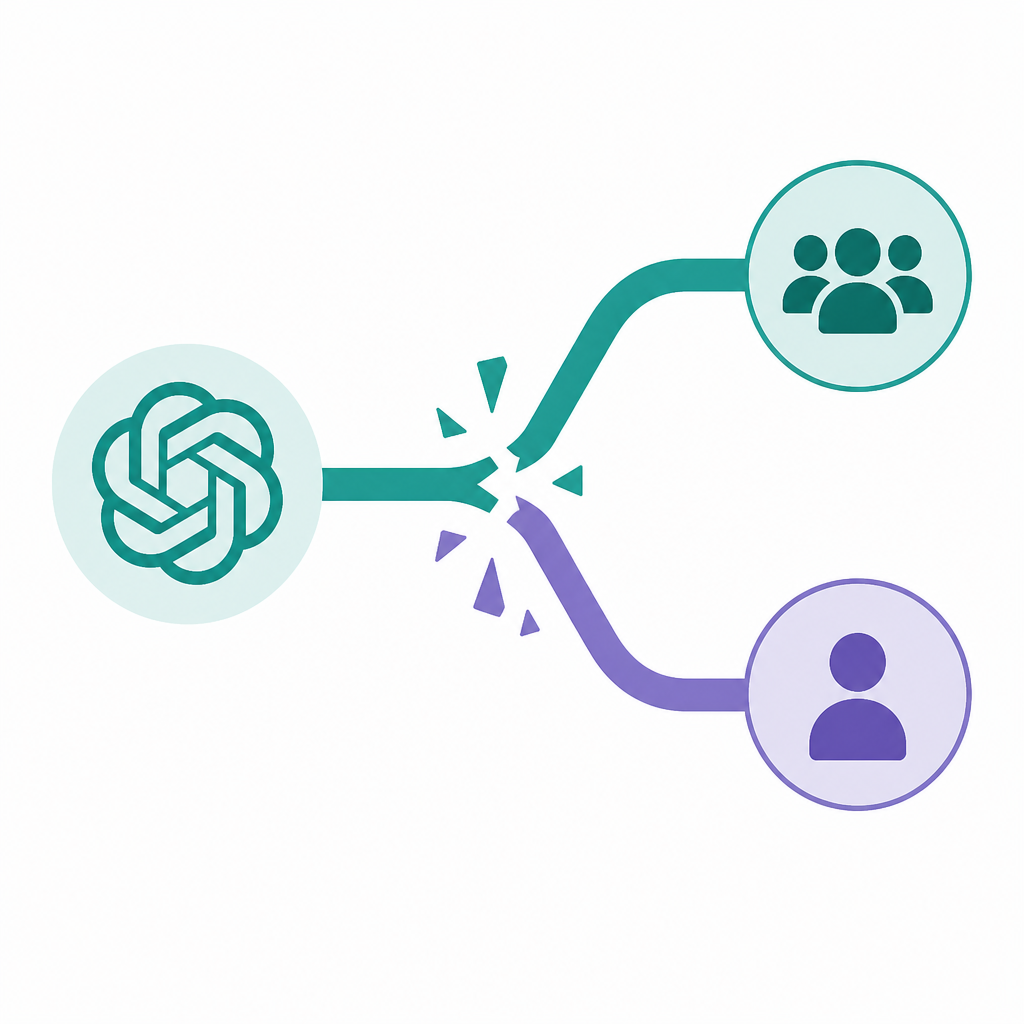
That is the core shift here: OpenAI can broaden its options, and Microsoft can build around OpenAI instead of only through it. The result is a partnership that still exists, but no longer feels singular.
- OpenAI has more room to work beyond Microsoft
- Microsoft can invest in its own models and systems
- Both companies can pursue overlapping AI ambitions
4. The “situationship” label fits the current mood
The Verge’s Hayden Field uses the term “situationship” to describe where things stand, and it is a useful shorthand. The companies are still tied together, but the relationship is less defined than a classic partner model.
For readers trying to understand the business angle, that label matters because it captures uncertainty. The tie is real, the trust is less clear, and the future is being negotiated in public.
- Still connected: yes
- Still exclusive: not really
- Still strategic: absolutely
5. The bigger story is AI power shifting inward
What looks like a partnership story is also a corporate control story. Microsoft wants more of its own AI capability, while OpenAI wants room to grow without being boxed in by a single giant backer.
That push and pull is common when a startup partner becomes too important to ignore. The outcome is usually not a clean break, but a gradual move toward independence on both sides.
Microsoft: partner + investor + competitor
OpenAI: supplier + platform + potential rival
Result: tighter overlap, weaker exclusivity
How to decide
If you care most about ownership and capital, Microsoft still looks deeply involved. If you care about product direction, the new model release suggests Microsoft is building a backup plan. If you care about the industry signal, this is a sign that even the closest AI alliances can turn into competitive coexistence.
For business readers, the takeaway is simple: the tie is still valuable, but the balance of power is no longer as one-sided as it once looked.
// Related Articles
- [IND]
Google’s Q2 2026 results prove AI spend is now the story
- [IND]
AI regulation in India is now a business risk
- [IND]
Europe should standardise the AI Act through harmonised technical rul…
- [IND]
AMD and Anthropic’s 2GW deal reshapes AI supply
- [IND]
OpenAI’s comeback proves coding now drives the AI race
- [IND]
System design interviews get easier with 5 core ideas