7 Microsoft AI models aim to cut OpenAI dependence
Microsoft launched seven in-house AI models at Build, led by MAI-Thinking-1, to reduce reliance on OpenAI and Anthropic.
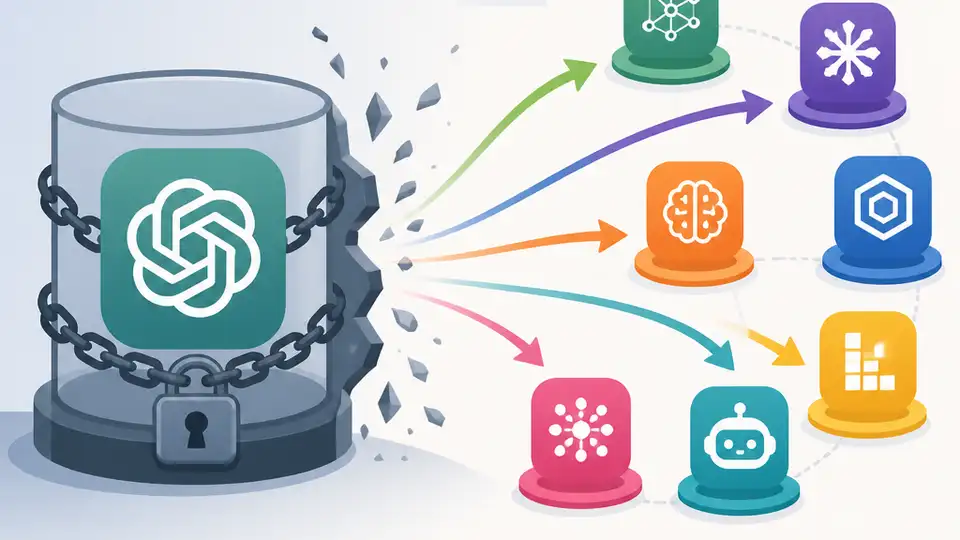
Microsoft unveiled seven in-house AI models to reduce reliance on OpenAI and Anthropic.
Microsoft introduced seven homegrown AI models at its Build developer conference on June 2, 2026, as part of a push for “long term self-sufficiency,” according to Microsoft AI CEO Mustafa Suleyman. The company says the models were built from scratch and are meant to give Microsoft more control over the systems behind Copilot, Foundry, Visual Studio Code, and GitHub Copilot.
| 項目 | 數值 |
|---|---|
| New models announced | 7 |
| OpenAI investment | $13 billion |
| Anthropic investment pledge | Up to $5 billion |
| MAI-Code-1-Flash size | 5 billion parameters |
What changed
Get the latest AI news in your inbox
Weekly picks of model releases, tools, and deep dives — no spam, unsubscribe anytime.
No spam. Unsubscribe at any time.
The flagship release is MAI-Thinking-1, a reasoning model Microsoft says matched Anthropic’s Claude Sonnet 4.6 in blind human testing and tied Claude Opus 4.6 on a coding benchmark. Suleyman said the model was trained without distillation from other companies’ models, a point aimed at enterprise buyers that want a clean data trail.
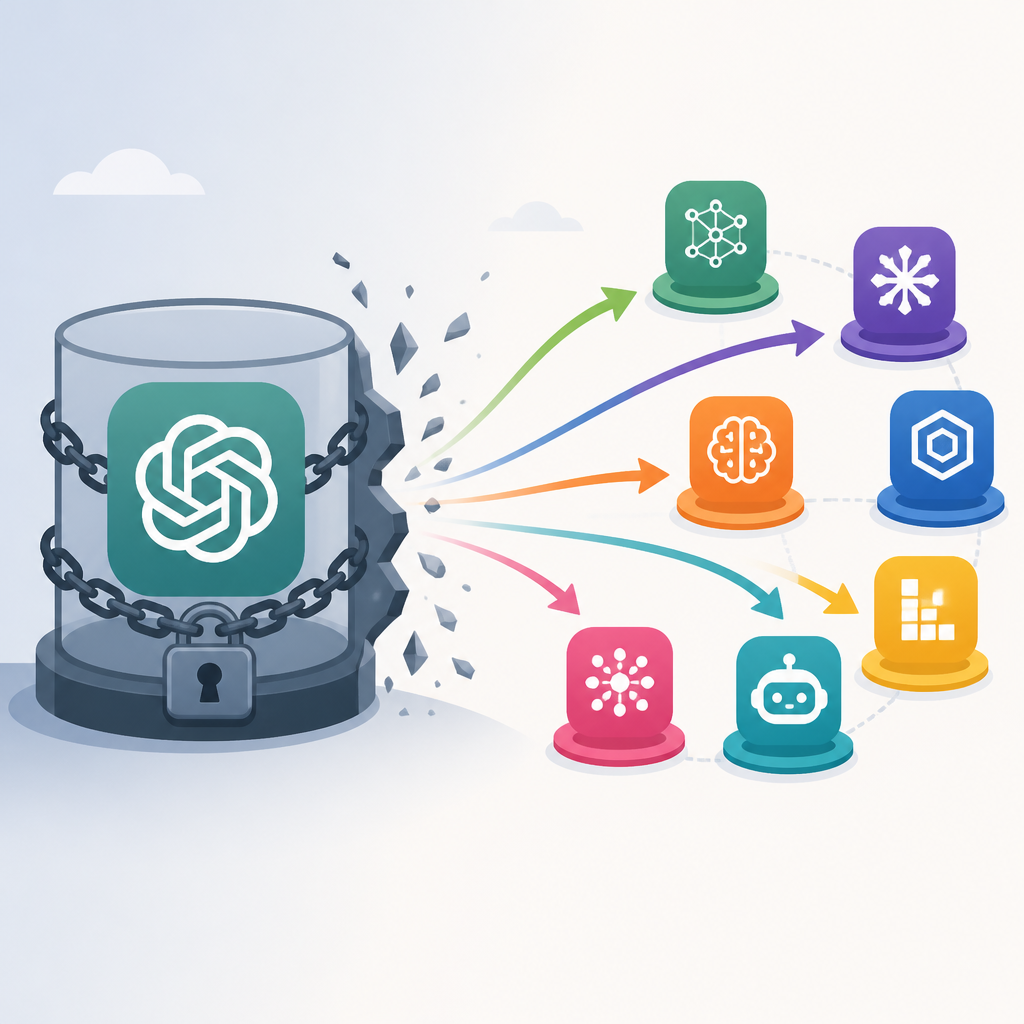
Microsoft also launched MAI-Code-1-Flash, a 5-billion-parameter coding model now rolling out in Visual Studio Code and GitHub Copilot, plus MAI-Image-2.5, which Microsoft says ranks second on a leading image-editing leaderboard, ahead of Google’s Nano Banana Pro. The seven-model set covers image, voice, transcription, coding, and reasoning.
- MAI-Thinking-1 is available in private preview on Microsoft Foundry.
- Microsoft Foundry already hosts models from OpenAI and Anthropic.
- MAI-Code-1-Flash is moving into developer tools now.
- Microsoft says the models were built from scratch.
Why it matters
The move shows Microsoft trying to lower strategic risk after years of depending heavily on OpenAI, where it has invested a cumulative $13 billion. That dependence has become more complicated as Microsoft’s partners also work with rivals: Anthropic is backed by Google and Amazon, while OpenAI has grown closer to Amazon.
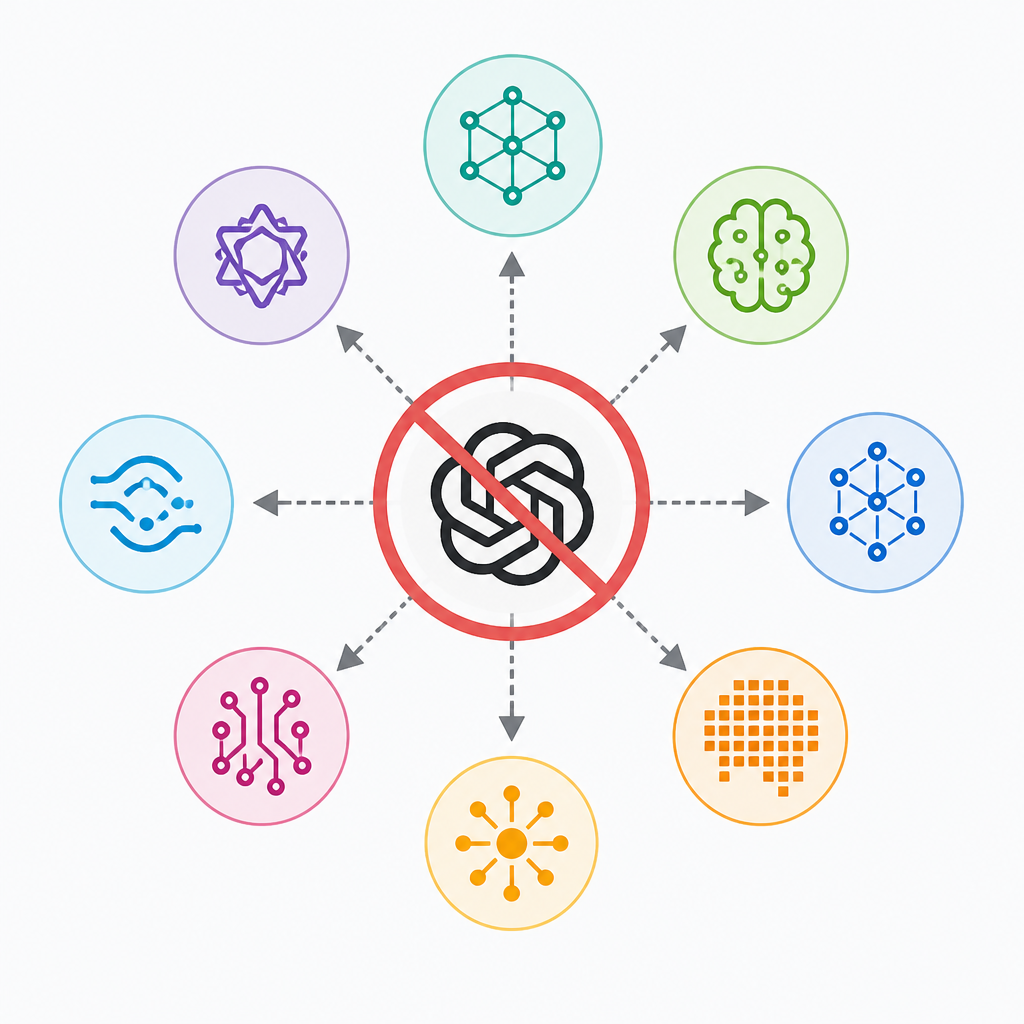
For developers, the shift could mean more Microsoft-owned model options inside the tools they already use, with tighter control over pricing, availability, and integration. It also gives Microsoft a fallback if partner model access changes or if competitive ties sharpen across the AI stack.
Microsoft is not cutting ties with outside model makers, but the new MAI family signals a clear hedge: if partner alliances keep shifting, Microsoft wants its own models ready to carry more of the load.
// Related Articles
- [MODEL]
7 Microsoft AI models aim at OpenAI and Anthropic
- [MODEL]
What We Know About GPT-5.6's Release Date
- [MODEL]
Why Claude Opus 4.8 Is Not the Big Story
- [MODEL]
Devin Booker turned Sedona McDonald’s into a shoe launch
- [MODEL]
Best Open-Source LLMs for 2026: Ranked
- [MODEL]
Llama 3.1 70B: Specs, Benchmarks, Deployment