7 Microsoft AI models aim at OpenAI and Anthropic
Microsoft unveiled seven in-house AI models at Build 2026, including MAI-Thinking-1 and MAI-Code-1-Flash, to cut costs and rival OpenAI and Anthropic.

Microsoft unveiled seven in-house AI models at Build 2026 to reduce reliance on OpenAI and Anthropic.
Microsoft unveiled seven in-house AI models at its Build 2026 conference in San Francisco on 3 June, marking a sharper push to control more of its AI stack.
| 項目 | 數值 |
|---|---|
| Models unveiled | 7 |
| Build event date | 3 June 2026 |
| MAI-Thinking-1 active parameters | 35 billion |
| Context window | 256,000 tokens |
| Majorana 2 reliability claim | 1,000x more reliable |
What changed
Get the latest AI news in your inbox
Weekly picks of model releases, tools, and deep dives — no spam, unsubscribe anytime.
No spam. Unsubscribe at any time.
The headline model is MAI-Thinking-1, Microsoft’s first reasoning model. It was trained from scratch on commercially licensed data, not distilled from another company’s system.
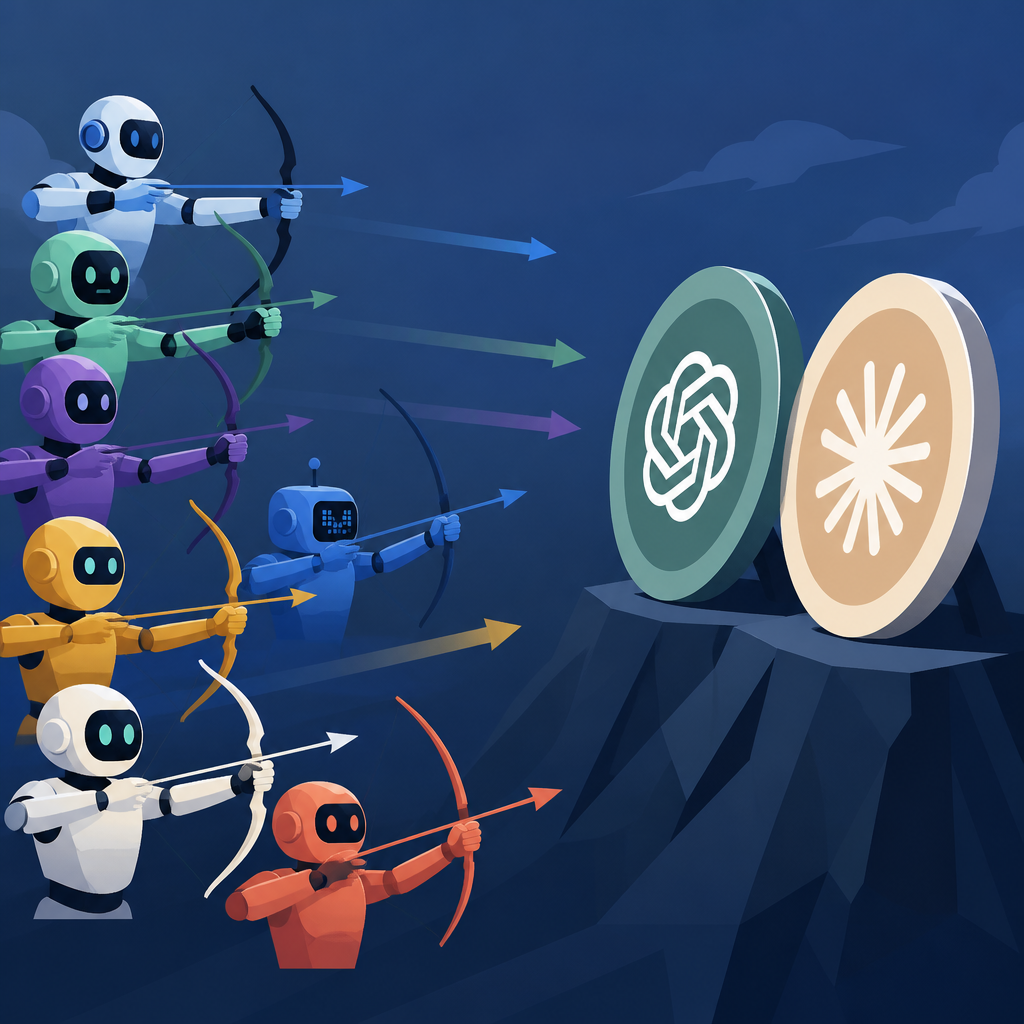
Microsoft said MAI-Thinking-1 is built for multi-step instructions, long-context reasoning and code generation. The model has 35 billion active parameters and a 256,000-token context window.
Microsoft also launched MAI-Code-1-Flash, a coding model that turns text prompts into source code for apps and websites. It is rolling out in GitHub Copilot and Visual Studio Code.
- Microsoft says MAI-Thinking-1 beat OpenAI’s GPT-5.5 on quality in a McKinsey tuning test.
- The company says that result came with up to 10x better cost efficiency, using public pricing data.
- In blind tests run by Surge, MAI-Thinking-1 was preferred over Anthropic’s Claude Sonnet 4.6.
- Microsoft says it matches Claude Opus 4.6 on coding benchmarks.
Satya Nadella said companies should move from “consuming a frontier model” to participating in it. Mustafa Suleyman, who leads Microsoft AI, framed the launch as a step toward more model independence after years of heavy spending on outside AI firms.
Why it matters
The new models let Microsoft run more AI workloads on Azure instead of paying third-party model providers. That could lower inference costs and give the company more room to price Copilot and other developer tools aggressively.
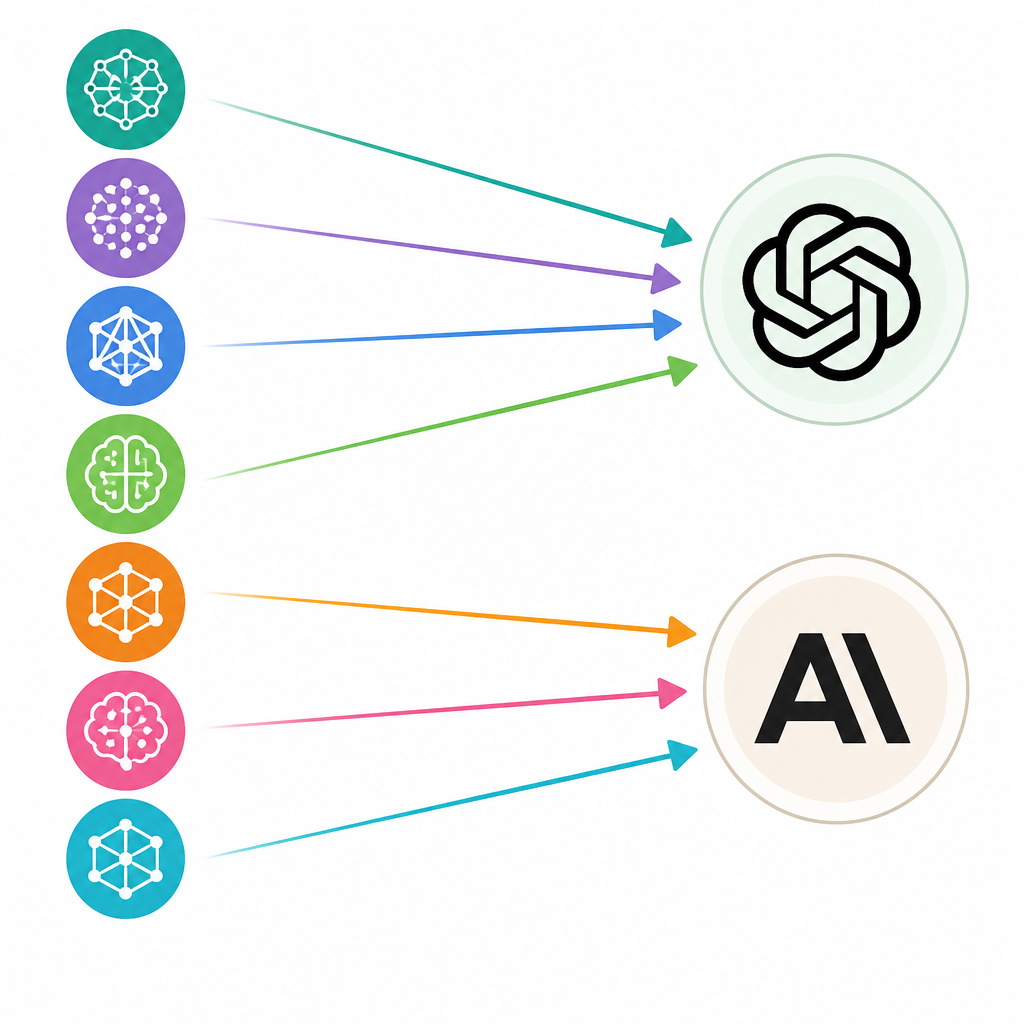
For developers, the immediate impact is broader access inside Microsoft’s own products. For the market, it is another sign that Microsoft wants to compete with OpenAI and Anthropic even as it remains one of the biggest backers of both.
The timing also matters: Microsoft’s biggest AI bets are heading toward IPO plans, which could change how much leverage the company has over its partners. The question now is whether Microsoft can turn in-house models into a real product edge, not just a cost-saving move.
// Related Articles
- [MODEL]
GPT-5.6 arrives in three variants with lower token costs
- [MODEL]
GPT-5.6 Sol, Terra, Luna arrive on DigitalOcean
- [MODEL]
Grok 4.5’s rise comes down to 5 numbers
- [MODEL]
Grok 4.5 turns agent work into one prompt
- [MODEL]
Kimi API quickstart adds K2.7 Code and Highspeed
- [MODEL]
GPT-Live brings faster voice chat to ChatGPT