MoneyGram’s Solana validator move is a real institutional signal
MoneyGram’s Solana validator and platform membership show that institutions now treat blockchain infrastructure as operational.

MoneyGram’s Solana validator move shows institutions now treat blockchain infrastructure as operational.
MoneyGram becoming a Solana validator is not a publicity stunt; it is a sign that large financial brands now see blockchain participation as part of their operating stack. The company said it will stake SOL, help process transaction blocks, and contribute to network security, while also joining the Solana Developer Platform alongside names like Mastercard. That is a concrete shift from “exploring crypto” to actively helping run the rails.
Institutional participation now means running infrastructure
Get the latest AI news in your inbox
Weekly picks of model releases, tools, and deep dives — no spam, unsubscribe anytime.
No spam. Unsubscribe at any time.
Validator status matters because it is not passive exposure. A validator has direct responsibility in consensus, which means MoneyGram is no longer just a user of blockchain tooling, but a participant in the system’s reliability. That distinction is important: institutions do not commit engineering and operational resources to something they think is a toy.
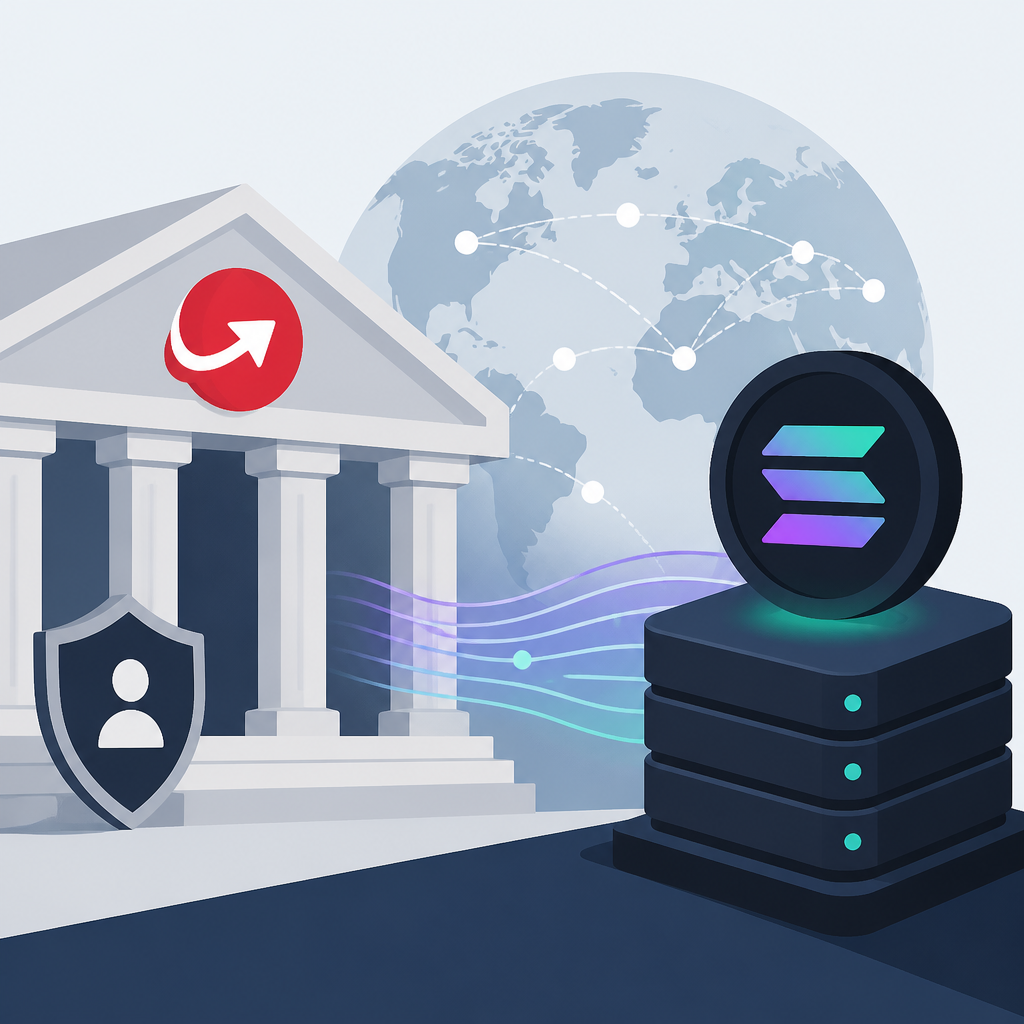
The example here is the press release itself. MoneyGram did not announce a token listing, a marketing partnership, or a pilot with vague aspirations. It announced staking, block processing, and security contribution. Those are infrastructure verbs, and they show the company is aligning with the mechanics of the network rather than merely its brand value.
Developer platforms are becoming the real battleground
Joining the Solana Developer Platform is the more strategic move. The platform is described as AI-ready and API-driven, with a focus on compliant financial product development. That matters because the next wave of blockchain adoption will not be won by retail speculation, but by developers building regulated products that fit into existing financial workflows.
Mastercard’s presence in the same environment makes the signal even clearer. When established payment and remittance brands share an institutional build layer, the market is telling developers where the serious work is happening. The winning stack is no longer just the chain itself; it is the tooling, compliance layer, and developer experience around it.
Solana is being judged on utility, not ideology
This move also reinforces a broader market reality: Solana is being selected because it is usable at institutional speed. Validators, APIs, and compliant development tools are not ideological choices, they are operational ones. MoneyGram is not buying into a narrative about decentralization purity; it is choosing a network that can support real transaction flow and product development.
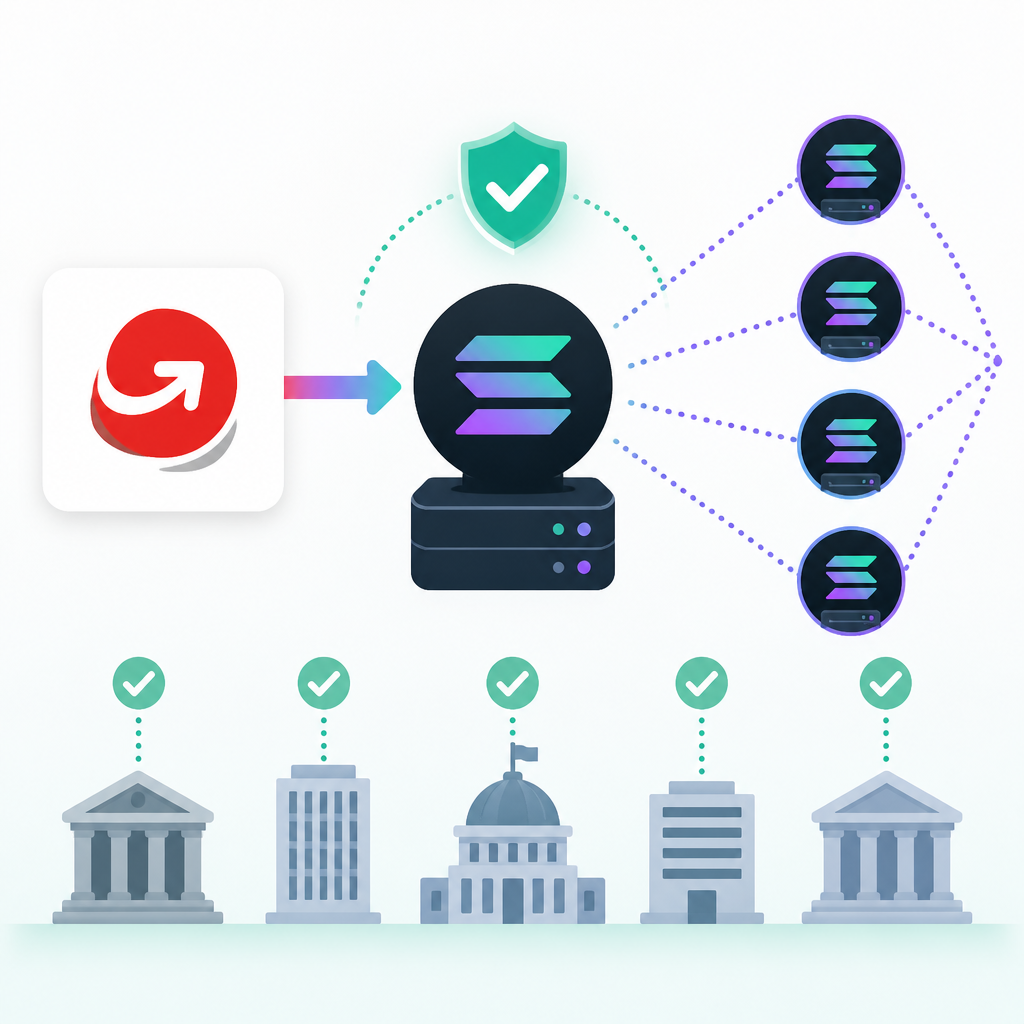
That matters because institutions evaluate networks differently from crypto-native communities. They care about throughput, reliability, integration cost, and governance risk. A validator role gives MoneyGram a stake in network health, while the developer platform gives it a path to build without starting from zero. Together, those two choices show that Solana is being judged as production infrastructure.
The counter-argument
The skeptical view is straightforward: a validator announcement does not prove deep commitment. Large companies often make symbolic blockchain moves to signal innovation without changing core business operations. Joining a developer platform can also be read as a low-cost hedge, a way to stay close to the ecosystem without betting the company on it.
That critique is valid in one narrow sense: a single validator does not transform MoneyGram into a crypto-native firm. But it misses the operational point. Running validation infrastructure and joining a compliant build environment are not empty gestures in the same way a sponsorship deal is empty. They require technical integration, ongoing oversight, and a willingness to be part of the network’s functioning. That is a real commitment, even if it is still an early one.
What to do with this
If you are an engineer, treat this as a signal to build for institutions that want blockchain to behave like infrastructure, not like a speculative app. If you are a PM, prioritize compliance, APIs, and operational clarity over token-first features. If you are a founder, assume the next buyer is not impressed by crypto rhetoric; they want reliability, integration paths, and a credible route into regulated finance.
// Related Articles
- [CHAIN]
$12M DeFi Exploits, Wallet Update, and New Rules
- [CHAIN]
AI in Crypto: agents, tokens, and use cases explained
- [CHAIN]
Immutable X cuts NFT game fees on Ethereum
- [CHAIN]
Ethereum Rises on L2 Activity and Staking
- [CHAIN]
Six Layer 2 Picks That Matter in Q3 2026
- [CHAIN]
Newhedge turns Bitcoin data into one live dashboard