Nx Polygraph targets AI agent bottlenecks
4 ways Nx Polygraph exposes why AI coding agents stall in monorepos and what teams can verify before scaling them up.

Nx Polygraph maps the bottlenecks that slow AI coding agents in monorepos.
Nx’s new Polygraph setup is aimed at a practical problem: AI coding agents can write code, but they still get stuck on context, dependency paths, and verification. The pitch lands in a moment when nearly half of companies report using Rust in production, a sign that teams are already mixing languages, tooling, and build systems at scale.
| Item | What it focuses on | Best fit |
|---|---|---|
| Polygraph | Monorepo structure and agent bottlenecks | Teams using AI agents in large codebases |
| Nx | Task graphs and workspace orchestration | Platform teams managing many packages |
| OpenTelemetry | Tracing and observability signals | Teams measuring agent behavior |
| Agent harnesses | Execution and verification loops | Builders testing agent workflows |
1. Polygraph
Get the latest AI news in your inbox
Weekly picks of model releases, tools, and deep dives — no spam, unsubscribe anytime.
No spam. Unsubscribe at any time.
Polygraph is Nx’s answer to a question many teams are now asking: where, exactly, do AI coding agents slow down once they enter a real repository? Rather than treating agent failure as a vague “model problem,” Polygraph is meant to surface the structure of the codebase itself, including where the agent loses context and where work becomes hard to verify.
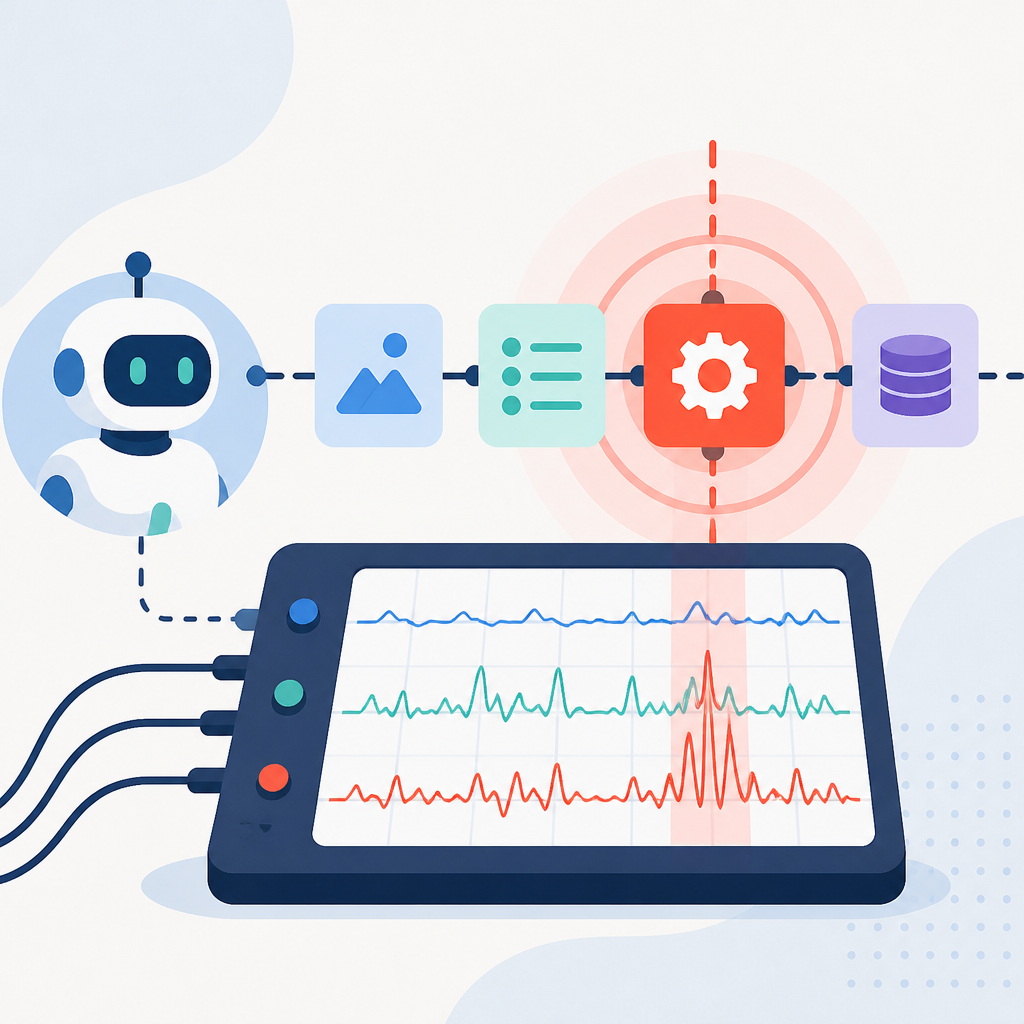
That matters because agentic development is not just about code generation. It is about whether the agent can navigate dependencies, choose the right files, and complete a change without wandering into dead ends.
- Maps repository structure for agent analysis
- Highlights dependency-heavy areas
- Shows where verification breaks down
2. Nx
Nx is the platform behind Polygraph, and its value is in how it already understands monorepos. If your organization has many packages, apps, and shared libraries, Nx can model those relationships and make the hidden cost of change visible.
In practice, that gives engineering teams a way to talk about agent performance in terms they already use for build systems and workspace management. Instead of asking whether an agent is “smart enough,” teams can ask whether the repo is organized in a way that lets the agent finish useful work.
- Monorepo task graphs
- Workspace dependency awareness
- Build and test orchestration
3. OpenTelemetry
The broader story behind Polygraph is verification, and that is where observability tools like OpenTelemetry become relevant. The article’s framing points toward a future where agent behavior needs tracing just like runtime systems do, so teams can see what happened instead of guessing after the fact.
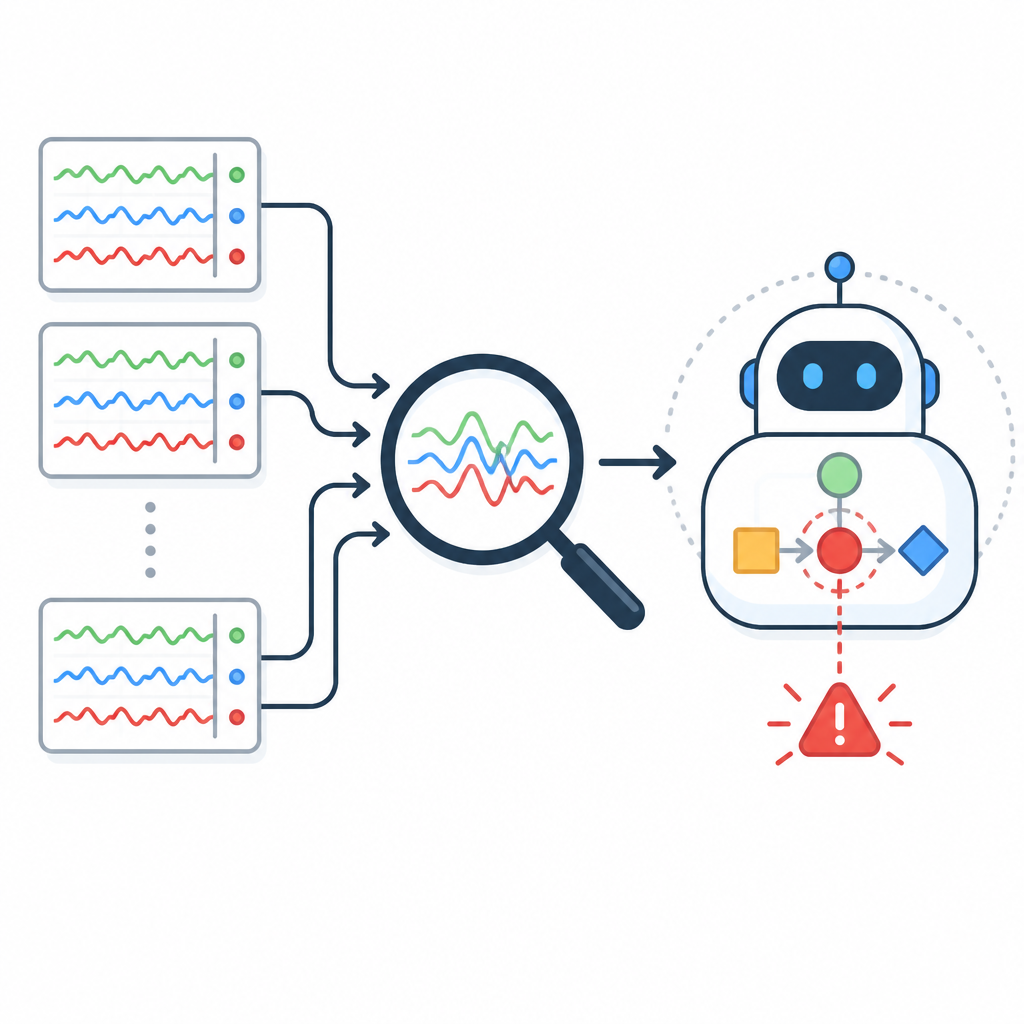
That makes observability a good fit for AI infrastructure work. If an agent is taking too long, skipping checks, or failing on a specific repo pattern, traces and spans can provide the evidence needed to fix the workflow rather than argue about it.
trace: agent_start -> file_discovery -> dependency_scan -> edit -> test -> verify4. Agent harnesses
One of the clearest themes in the piece is that agents need more than prompts. They need harnesses, meaning the surrounding code, checks, and execution rules that keep them on track inside real systems. Without that layer, even a capable model can fail when it meets a messy repository or a multi-step change.
This is where the article connects to a larger shift in software work: the bottleneck is moving from pure generation to controlled execution. Teams that want useful agent output will need to design the environment around the agent, not just swap in a better model.
- Run tests after each change
- Check file-level and repo-level dependencies
- Block merges until verification passes
5. Synthetic monorepos
Polygraph also points to synthetic monorepos as a testing method. That means creating controlled repo shapes that let teams study agent behavior without waiting for production incidents. It is a useful way to isolate which repo patterns confuse agents most.
For platform and developer tooling teams, synthetic repos can act like a lab bench. They make it easier to compare agent behavior across different structures, language mixes, and dependency graphs before rolling changes into a live codebase.
- Controlled repo shapes
- Repeatable agent tests
- Useful for comparing workflows
How to decide
If you run a large monorepo and want to understand why agents stall, Nx and Polygraph are the most direct fit. If your focus is measurement, OpenTelemetry-style tracing helps you see the failure points. If you are building the agent workflow itself, harness design and synthetic monorepos give you the safest place to test and tune.
For most teams, the right order is simple: map the repo first, add verification next, then measure the agent’s behavior once the workflow is stable enough to trust.
// Related Articles
- [IND]
pgvector is enough for small datasets, not your default
- [IND]
OpenAI’s Astra pause shows safety now shapes model releases
- [IND]
Anthropic is building custom AI chips for Claude
- [IND]
Moka AI Is a Stronger HRMS Choice for Growing Teams
- [IND]
August 2026 Market Review: AI Stocks Flipped Fast
- [IND]
Pixel 11 launch live: every Google reveal