omp brings IDE-grade coding to the terminal
omp is an open-source terminal coding agent with Hashline edits, deep LSP/DAP support, and Hindsight memory.

omp is an open-source terminal coding agent with IDE-grade edits, debugging, and memory.
omp is trying to make the terminal feel like a real coding environment, not a thin wrapper around text replacement. Built on the Pi project, it ships with a Rust core of roughly 27,000 lines, supports 40+ model providers, and includes 32+ built-in tools.
The pitch is simple: if an AI agent can read symbols through LSP, drive a debugger through DAP, keep session memory, and edit files with hash anchors instead of brittle diffs, it can do more than autocomplete. It can help with refactors, debugging, search, and long-running project work from one terminal session.
| Metric | omp value | Why it matters |
|---|---|---|
| Rust core size | ~27,000 lines | Signals a performance-focused native implementation |
| Model providers | 40+ | Lets users mix cloud and local models |
| Built-in tools | 32+ | Covers editing, search, execution, and debugging |
| Edit success rate | 68.3% | Much higher than the reported diff baseline |
| Traditional diff baseline | 6.7% | Shows why text patches fail in practice |
| Token savings | ~61% | Lower model usage means lower API cost |
Hashline is the feature that changes the editing math
Get the latest AI news in your inbox
Weekly picks of model releases, tools, and deep dives — no spam, unsubscribe anytime.
No spam. Unsubscribe at any time.
The biggest technical idea in omp is Hashline, its hash-anchored editing system. Instead of asking a model to rewrite an entire file or generate a fragile patch, omp uses content hashes to pin edits to the right spot and then applies only the relevant change.
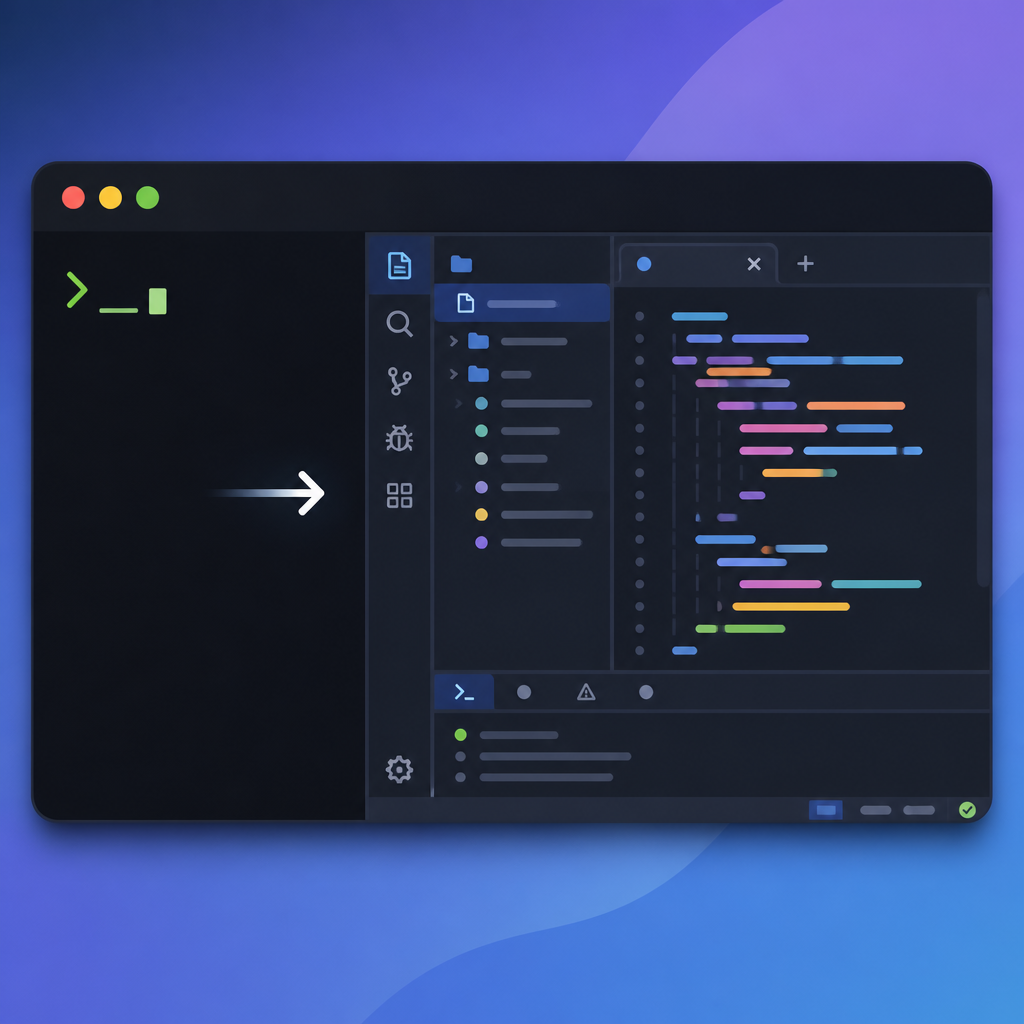
That matters because plain diffs are easy to break. A whitespace change, a moved import, or a small context mismatch can make a patch fail. The source material for omp claims a jump from about 6.7% edit success with traditional diffs to 68.3% with Hashline, plus about 61% fewer tokens. Those are the kinds of numbers that get attention from anyone who has watched an AI agent quietly fail on a trivial edit.
Hashline is also a better fit for languages and file types where spacing matters a lot, especially Python and YAML. In those cases, the agent is not guessing at a replacement block. It is anchoring to content and making a smaller, more targeted change.
- Traditional patching can fail when context shifts by a few lines.
- Hash-anchored edits reduce the amount of text the model has to regenerate.
- Lower token use can cut costs on large refactor sessions.
- Whitespace-sensitive files benefit the most from precise anchors.
LSP and DAP turn the terminal into a real dev tool
omp does more than edit text. It talks to language servers through LSP and debuggers through the Debug Adapter Protocol, which gives it access to the same kinds of semantic signals developers use in an IDE. That means references, renames, go-to-definition, call stacks, breakpoints, and variable inspection are part of the workflow.
"If you need help, ask a human." — Guido van Rossum
That quote from Guido van Rossum is old, but the point still lands: debugging is easier when the tool can show you what the program is actually doing. omp’s DAP support pushes in that direction by letting the agent inspect state instead of falling back to print debugging and guesswork.
The source says omp supports 13 LSP operations and 27 DAP operations. That combination is rare in open-source AI coding tools, especially in one that runs from the terminal and is built in Rust rather than a browser shell.
- LSP helps with cross-file refactors and symbol-aware edits.
- DAP lets the agent step through code like a human debugger.
- Real breakpoints beat scattered println calls on hard bugs.
- Semantic tools matter more as codebases get larger.
Memory and model routing make it useful beyond one chat
One of the more practical features in omp is Hindsight, its cross-session memory layer. Instead of starting fresh every time, the tool compresses project structure, conventions, and past decisions so the next session can pick up where the last one ended.
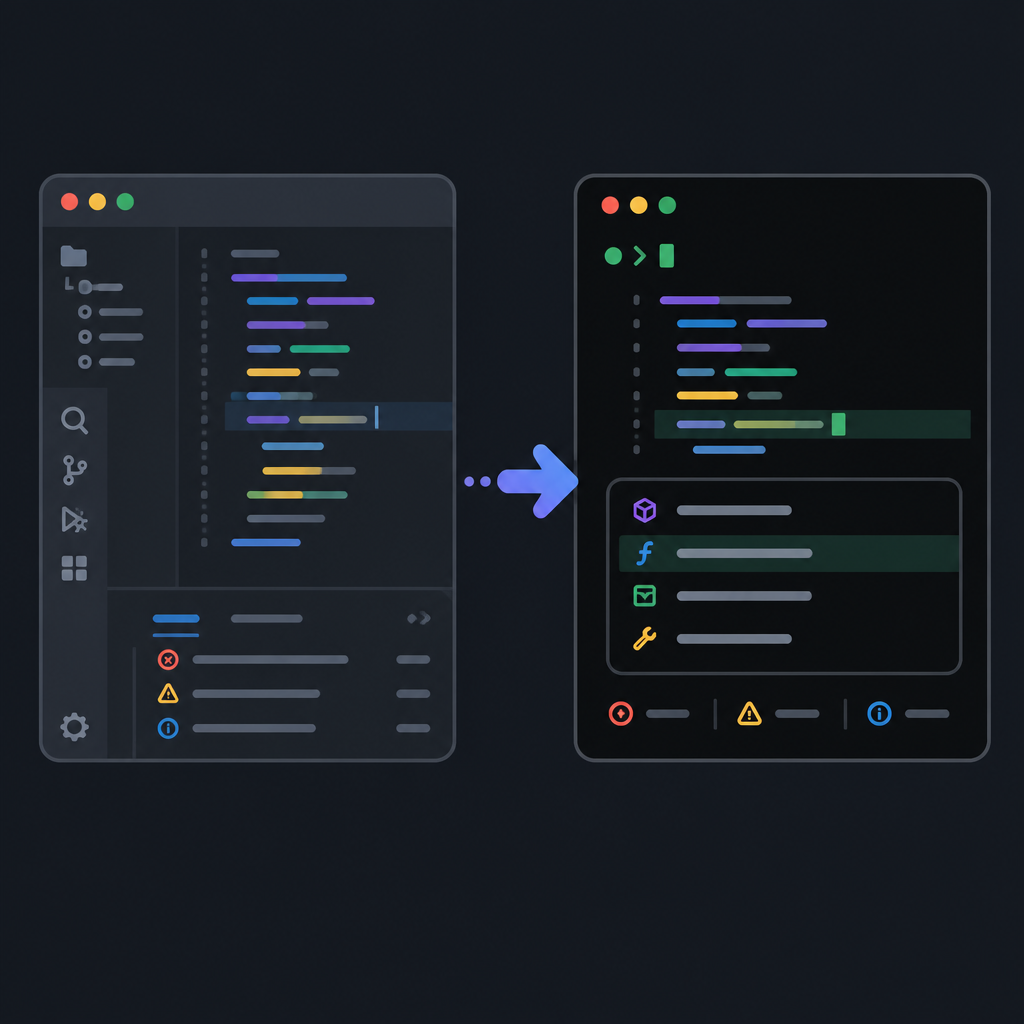
That solves a real annoyance with AI coding assistants: the second session often feels like the first one all over again. If you are working on a long-lived repository, you do not want to keep re-explaining folder layout, naming rules, or the parts of the codebase that matter most.
omp also routes requests to different models depending on the task. The source describes support for 40+ providers, plus local model options through Ollama and LM Studio. That gives users a way to spend less on simple edits and reserve stronger models for harder refactors or debugging sessions.
- Light tasks can use cheaper models.
- Hard refactors can use stronger reasoning models.
- Local models reduce dependence on paid APIs.
- Persistent memory helps on projects that last months, not hours.
How omp compares with Aider and OpenCode
omp is entering a crowded field, so the comparison matters. The source positions it against tools like Aider and OpenCode, plus IDE-first tools such as Cline. The main difference is where the intelligence lives and what kind of work the tool is optimized for.
Aider is known for Git-first pair programming and clean commit flows. OpenCode focuses on terminal-native workflows with broad provider support. Cline fits better inside VS Code. omp tries to combine terminal control with deeper semantic editing, debugger access, and cross-session memory.
Here is the practical split based on the source material:
- omp: best for large refactors, debug-heavy work, and long-lived repos.
- Aider: better for Git-centric workflows and quick code changes.
- OpenCode: useful when multi-session terminal work matters more than deep debugger control.
- Cline: a better fit if you want the agent inside the IDE UI.
The comparison table in the source also highlights a few hard numbers. omp’s Rust core is about 27,000 lines, it supports 40+ providers, and it includes 32+ built-in tools. Aider and OpenCode may be easier to adopt for some teams, but omp is aiming at a narrower problem: making AI edits and debugging less brittle inside a terminal workflow.
There is a tradeoff, though. The source notes that omp’s community and documentation trail more mature tools like Aider and Cline. That is the usual cost of a younger project with ambitious internals: the technology can be ahead of the ecosystem around it.
omp is strongest when the bug is messy and the repo is old
If your work is mostly small edits, any decent coding agent can feel fine. omp becomes more interesting when the task is messy: rename a symbol across a large codebase, inspect a failing test under a debugger, search docs and Stack Overflow, then keep the result in memory for the next session.
The source also says omp supports persistent Python and Bun execution, 14 search providers, parallel sub-agents, and browser automation with Chromium. That combination gives it a wider surface area than a simple prompt-to-patch tool.
My read is that omp is less about replacing your editor and more about making the terminal a serious control room for software work. If the project keeps growing, the value of semantic edits, debugger access, and memory grows with it. The next thing to watch is whether the project can turn this strong technical base into better docs, smoother onboarding, and a bigger contributor base.
For developers choosing a coding agent today, the real question is whether they want a chatty assistant or a tool that can reason about code structure, step through failures, and remember the repo next week. omp is clearly betting on the second option.
// Related Articles
- [AGENT]
Agent Plugins 1.0.0 turns skills into folders
- [AGENT]
FaithEyes lets you train tool-faithful vision agents
- [AGENT]
Connect Qwen 3.8 Max to CLI Agents
- [AGENT]
Fine-tune a small LLM for legal labeling
- [AGENT]
SALA Boosts Long Context on Edge AI
- [AGENT]
Anthropic’s breach proves AI agents need hard security limits