OpenAI's latest model faces U.S. user vetting
1 policy shift shows how OpenAI’s newest model access could be screened by the U.S. government.

The U.S. government may screen who can use OpenAI’s latest AI model.
The Washington Post reports that the Trump administration is widening vetting for access to advanced AI, and OpenAI is worried about the added oversight. Here are the main implications for companies, regulators, and AI buyers.
1. OpenAI’s latest model may not be open to everyone
Get the latest AI news in your inbox
Weekly picks of model releases, tools, and deep dives — no spam, unsubscribe anytime.
No spam. Unsubscribe at any time.
The core change is simple: access to OpenAI’s newest model could come with government review. That means companies seeking the model may need to clear an extra layer before they can use it in production, testing, or sensitive workflows.
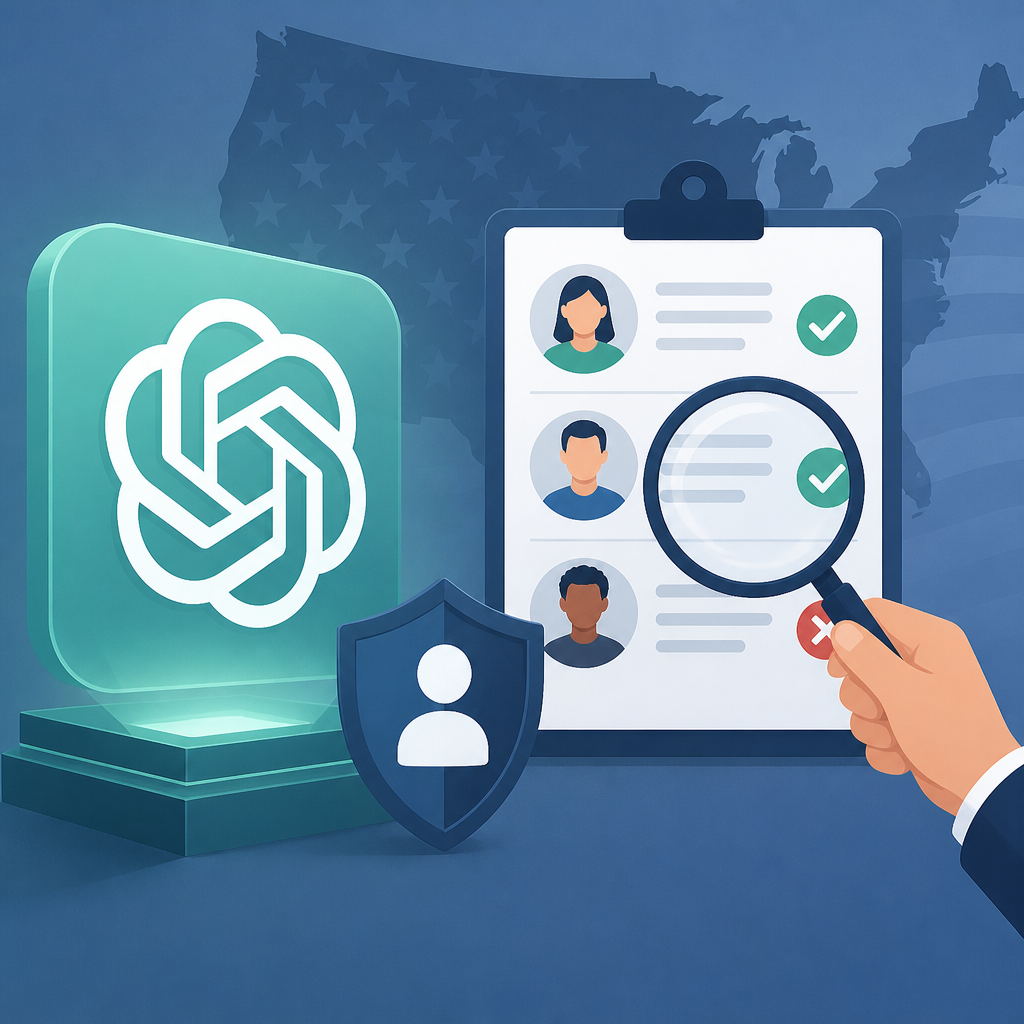
This matters because model access is no longer just a product decision. It is becoming a policy decision too, especially when the model is considered advanced enough to draw federal scrutiny.
- Potential vetting of users or companies before access
- Extra review for sensitive or high-risk use cases
- More friction for teams that want fast model rollout
2. The policy shift widens federal control over AI access
The report says the Trump administration is expanding a recent approach that vets companies seeking the latest AI technology. In practice, that gives the government more say over who gets access to frontier systems and when.
For the AI industry, this is a signal that access controls may become part of the standard operating environment. Companies may need to plan for compliance checks alongside security reviews and procurement steps.
- Government vetting tied to advanced AI access
- Broader oversight of Silicon Valley AI deployment
- More compliance work for vendors and buyers
3. OpenAI is signaling concern about more oversight
OpenAI made clear it is uneasy about the increase in government oversight. That reaction suggests the company sees the policy as more than routine paperwork. It may affect product rollout, customer onboarding, and how quickly new models reach the market.
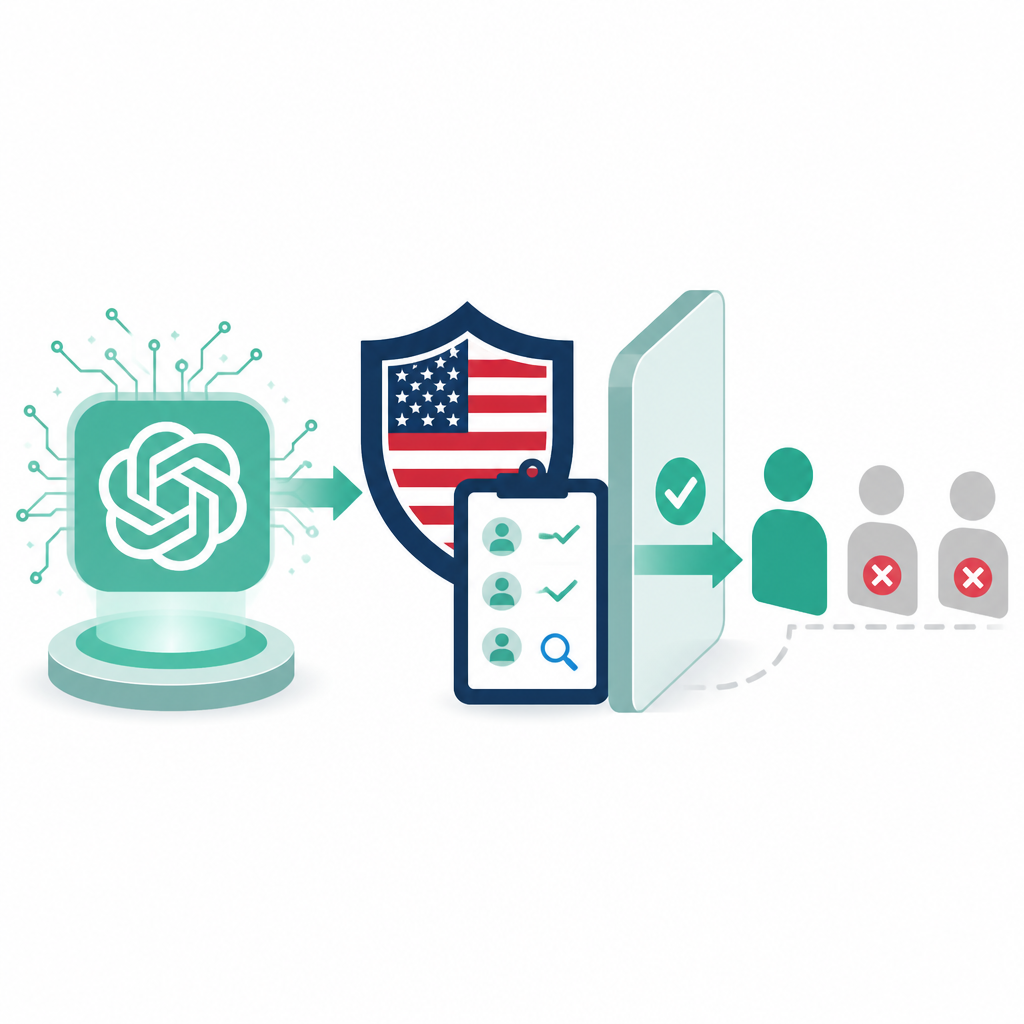
For enterprise buyers, that concern is worth watching. If providers expect more scrutiny, they may tighten eligibility, ask for more documentation, or delay access while reviews are completed.
Possible impact areas:
- Enterprise onboarding
- Model evaluation timelines
- Government or regulated-industry sales
- Internal AI governance
4. Silicon Valley may face slower access to frontier AI
The article frames the move as part of a broader expansion of regulation in Silicon Valley. That could mean the fastest path to the newest model is no longer the default path for startups, labs, and larger tech firms.
Teams that depend on early access may need backup plans. If approval takes longer, product schedules, pilot programs, and research timelines could all shift.
- Startups may wait longer for access
- Large companies may need legal review before deployment
- Research teams may face tighter gates for experimentation
5. Buyers should expect AI policy to affect product strategy
The biggest takeaway is that advanced AI is now being treated like a strategic technology with policy controls attached. That changes how vendors sell it and how customers adopt it. The issue is not only model quality anymore, but also who can use it and under what conditions.
If you buy AI tools, this story is a reminder to ask about access rules, approval timelines, and compliance obligations before you commit. Those details may matter as much as benchmark performance.
How to decide
If you are a startup, focus on whether your team can tolerate slower access and added paperwork. If you are an enterprise or regulated buyer, build government review into your planning now. If you are a policymaker, this case shows how quickly AI access can become part of federal oversight.
For most readers, the key point is not the model itself. It is that access to advanced AI is turning into a managed process, and that will shape who can use the newest systems first.
// Related Articles
- [IND]
Moka AI Is a Stronger HRMS Choice for Growing Teams
- [IND]
August 2026 Market Review: AI Stocks Flipped Fast
- [IND]
Pixel 11 launch live: every Google reveal
- [IND]
Anthropic’s invisible watermark is the right move
- [IND]
Docker’s latest releases now center security and Compose
- [IND]
Bitcoin’s busy week was a security wake-up call