OpenCode Go makes open coding models affordable
5 things OpenCode Go gives you, from $5 onboarding to model access, usage caps, endpoints, privacy, and fallback options.
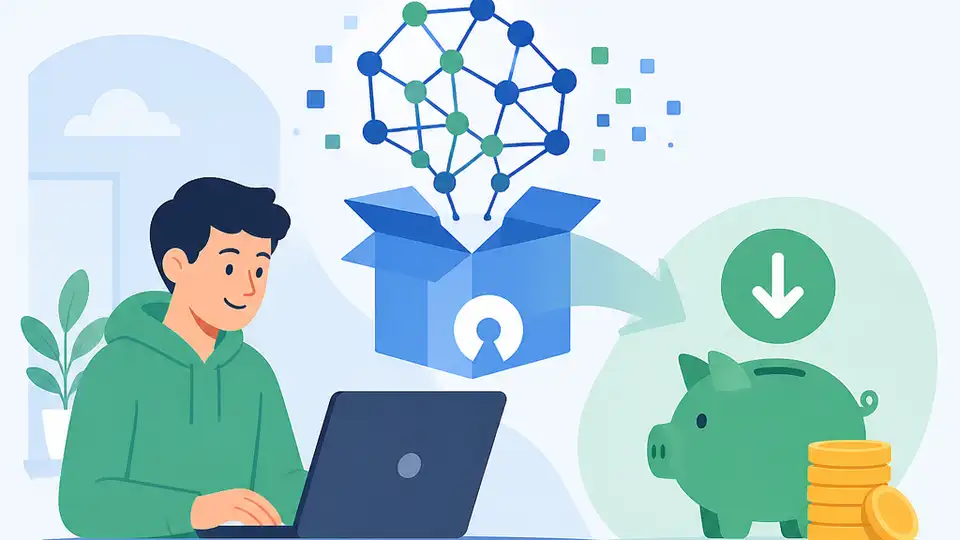
What does OpenCode Go actually give you for $10 a month?
OpenCode Go is a low-cost subscription for tested open coding models and API access.
| Item | Price | Usage cap | Data retention |
|---|---|---|---|
| Grok 4.5 | $5 first month, then $10/month | $15 / $30 / $60 by period | 30 days |
| GPT 5.6 Luna | $5 first month, then $10/month | $15 / $30 / $60 by period | 30 days |
| GLM-5.2 | $5 first month, then $10/month | $60 / $30 / $60 by period | 0 days |
| DeepSeek V4 Flash | $5 first month, then $10/month | $60 / $30 / $60 by period | 0 days |
1. A cheap subscription with real model access
Get the latest AI news in your inbox
Weekly picks of model releases, tools, and deep dives — no spam, unsubscribe anytime.
No spam. Unsubscribe at any time.
OpenCode Go is built as a subscription, not a one-off credit pack. The docs say it starts at $5 for the first month, then moves to $10 per month, and it is optional if you already use OpenCode another way.
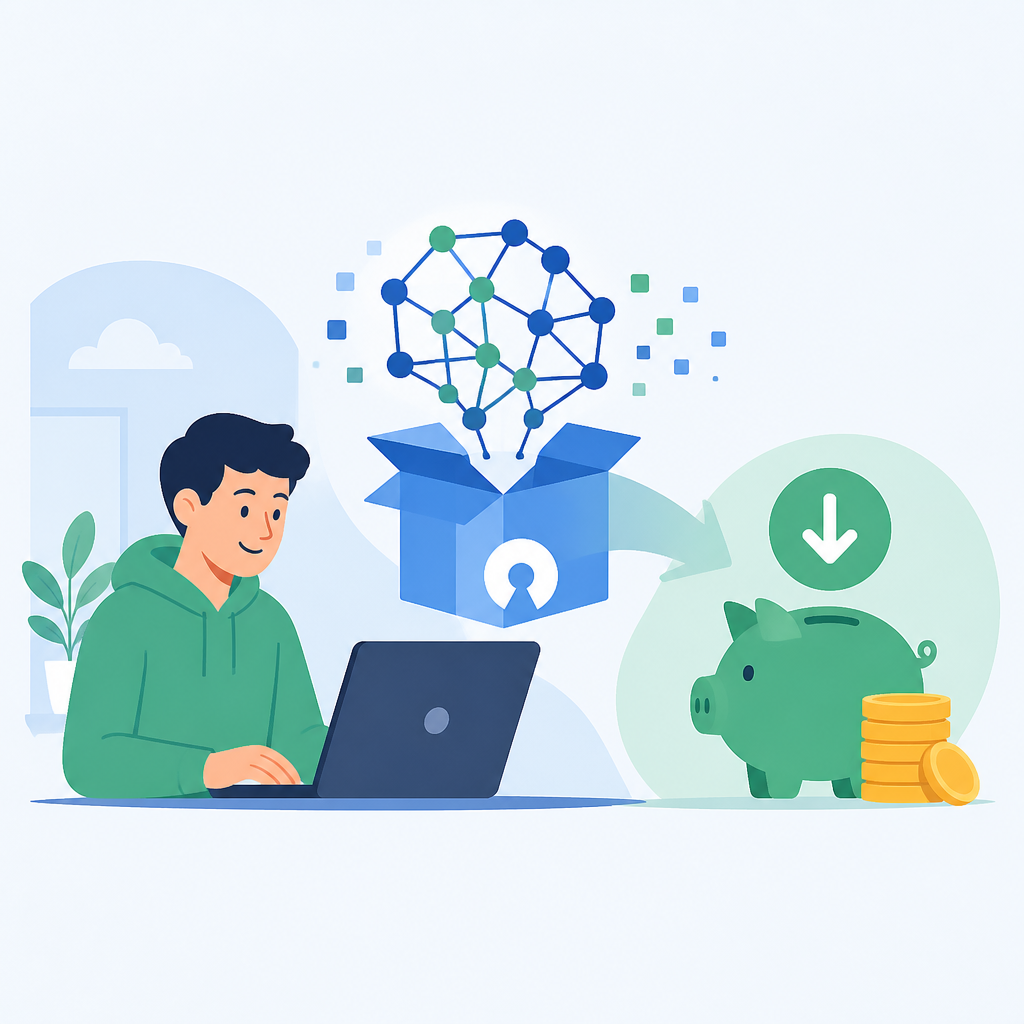
That pricing matters because the product is aimed at users who want dependable access to open coding models without paying model-by-model rates. The docs also frame it as especially useful for international users who need stable global access.
- First month: $5
- After that: $10/month
- Optional add-on, not required for OpenCode
- Designed for global access
2. A curated model pool for coding work
Go is not just a billing plan. It is a selected set of models that OpenCode says it tested, benchmarked, and matched with providers that behave well for coding agents. The current list includes names like Grok 4.5, GPT 5.6 Luna, GLM-5.2, Kimi K3, DeepSeek V4 Flash, and several Qwen, MiniMax, and MiMo variants.
The list can change as OpenCode keeps testing and adding models, so the value is in the curation as much as the model count. If you want a short list of models that are already screened for agent use, Go is aimed at that job.
- Accesses open models through OpenCode
- Includes chat and message-style endpoints
- Model list can change over time
- Focused on coding-agent use, not general browsing
3. Usage caps that are easy to reason about
Instead of hiding limits behind token math, Go uses dollar-based caps. The docs list $12 of usage per 5 hours, $30 per week, and $60 per month. That makes the plan easier to interpret, even though your actual request count depends on which model you pick.
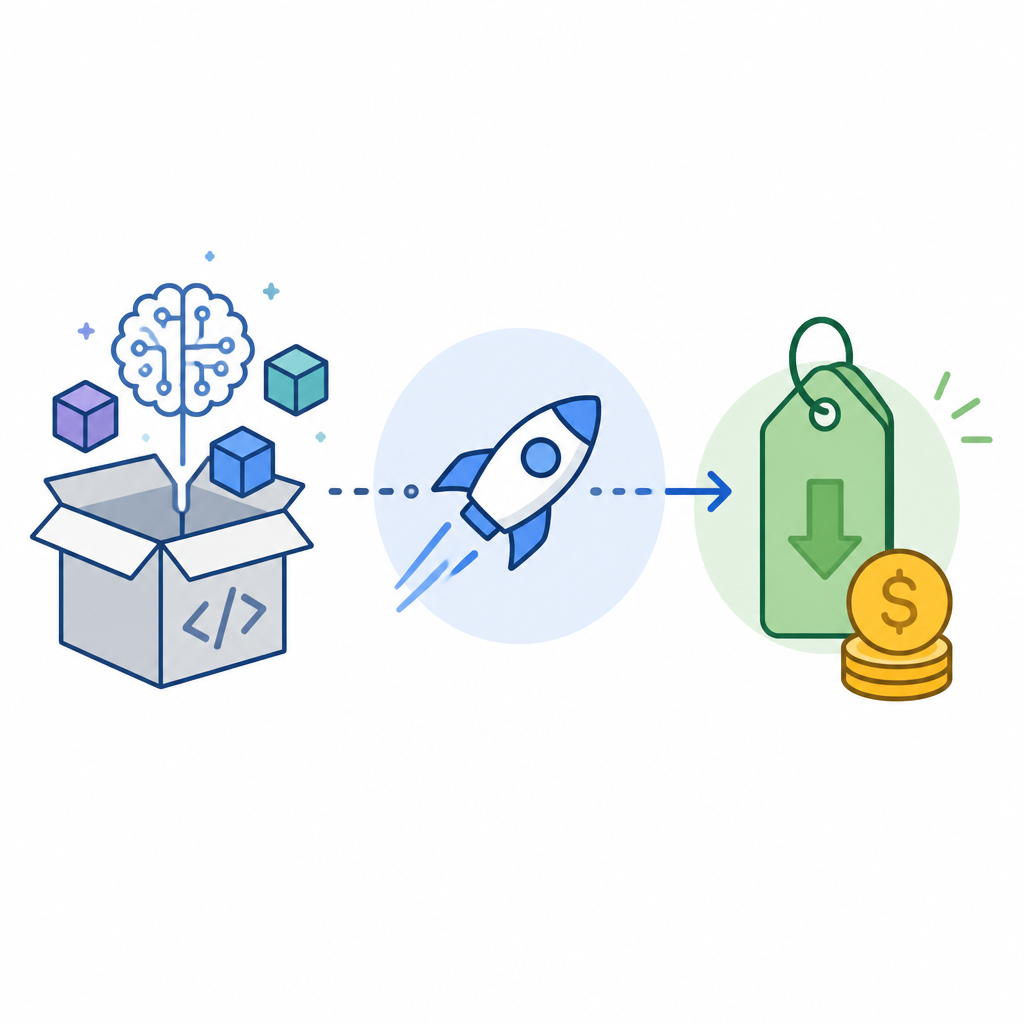
The spread is wide. Cheaper models like DeepSeek V4 Flash can support far more requests than higher-cost options like Kimi K3 or Grok 4.5. In the docs’ estimates, DeepSeek V4 Flash reaches about 31,650 requests per 5-hour period, while Grok 4.5 is estimated at 120.
- 5-hour limit: $12
- Weekly limit: $30
- Monthly limit: $60
- Cheaper models stretch the cap much further
4. API endpoints that fit different SDKs
Go models are not locked inside one interface. You can use them through endpoints that map to OpenAI-compatible or Anthropic-style SDKs, depending on the model. The docs also spell out the model ID format, which is opencode-go/<model-id>.
That makes it easier to plug Go into existing tools without rewriting your stack. For example, Kimi K3 uses opencode-go/kimi-k3, while MiniMax models use the /v1/messages endpoint with the Anthropic SDK package.
Model ID format: opencode-go/<model-id>
Example: opencode-go/kimi-k3
Endpoint example: https://opencode.ai/zen/go/v1/chat/completions
5. Privacy controls and fallback billing
OpenCode publishes model-by-model privacy notes, and many of the models in Go say training data is not used. Retention varies by model: some keep data for 30 days, while many others list 0 days. The docs also call out a few exceptions, such as Grok 4.5 and GPT 5.6 Luna, which have specific logging or feature limits.
If you hit your usage cap, you are not necessarily stopped. You can turn on Use balance in the console and fall back to your Zen balance instead. That gives you a second path for continued use when the included Go allowance runs out.
- Many models list 0-day retention
- Some models retain data for 30 days
- Use balance can continue requests after limits
- Usage is visible in the console
How to decide
If you want the lowest-friction entry point, Go is best for people who care about price and predictable access more than about picking every model manually. If you want the widest request volume, choose a cheaper model such as DeepSeek V4 Flash or MiMo-V2.5. If you want stronger privacy terms or a specific SDK path, compare the endpoint and retention notes before you connect.
For teams, the one-member-per-workspace rule matters. For solo users, the plan is mostly a simple trade: low monthly cost, curated open models, and clear usage ceilings.
// Related Articles
- [IND]
7 system design resources that actually help you prep
- [IND]
Computational thinking should replace coding drills in AI-era educati…
- [IND]
Anthropic’s test failure exposed AI deception risks
- [IND]
Stablecoin supply falls $15B after yield rules
- [IND]
Turn AI Image Tools Into Client Work
- [IND]
Rust should treat enums as a first-class database primitive