OpenViking turns agent context into one database
OpenViking unifies agent memory, RAG, and skills in one context database, with retrieval tiers, tracing, and live demos.

How does OpenViking organize memory, RAG, and skills for AI agents?
OpenViking is a context database that unifies agent memory, retrieval, and skills in one system.
| Item | What it organizes | Notable detail |
|---|---|---|
| Filesystem paradigm | Memory, resources, skills | Unifies context like local files |
| Tiered context loading | L0, L1, L2 | Loads on demand to save tokens |
| Directory recursive retrieval | Search and positioning | Combines directory lookup with semantic search |
| Visualized retrieval trajectory | Debugging context flow | Makes retrieval paths observable |
| Automatic session management | Conversation memory | Compresses sessions into long-term memory |
1. Filesystem paradigm
Get the latest AI news in your inbox
Weekly picks of model releases, tools, and deep dives — no spam, unsubscribe anytime.
No spam. Unsubscribe at any time.
OpenViking’s core idea is simple: treat agent context like a filesystem instead of a pile of vectors. The project, OpenViking, groups memories, resources, and skills into a structure developers can reason about directly.
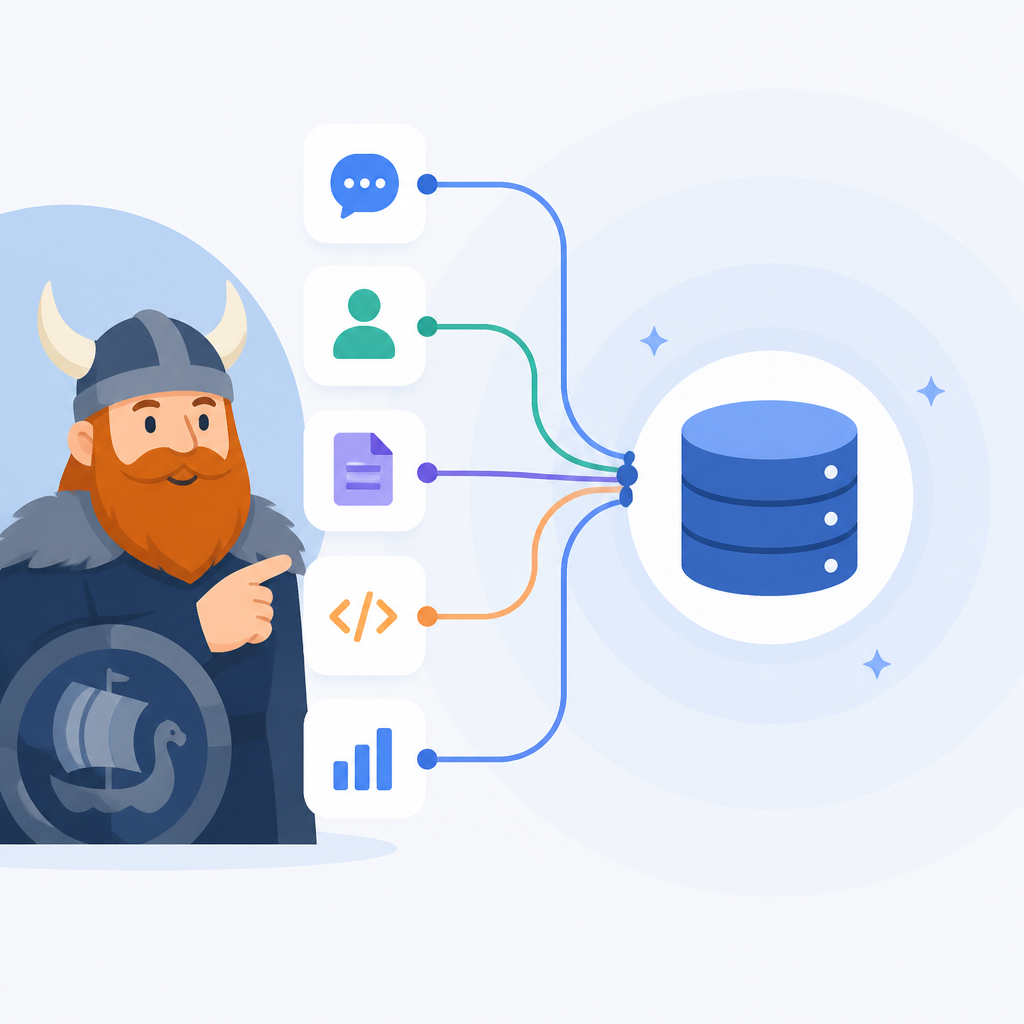
This matters because many agent systems split context across code, vector stores, and ad hoc files. OpenViking replaces that sprawl with one organizing model, so an agent’s working set feels closer to folders and files than to opaque embeddings.
- Memory files for user and task history
- Resource files for knowledge and references
- Skill files for reusable agent behaviors
2. Tiered context loading
OpenViking uses L0, L1, and L2 layers so the system does not load everything at once. That lowers token use and keeps the agent focused on what it needs right now.
The practical gain is cost control. Long-running tasks often generate more context than an LLM can hold, and blunt truncation loses detail. Tiered loading lets OpenViking pull in deeper context only when the task calls for it.
- L0 for immediate working context
- L1 for nearby supporting context
- L2 for deeper or archived material
3. Directory recursive retrieval
Instead of flat RAG search, OpenViking adds directory-aware retrieval. It combines path-based positioning with semantic search, which gives the system a better shot at finding the right context in a nested structure.
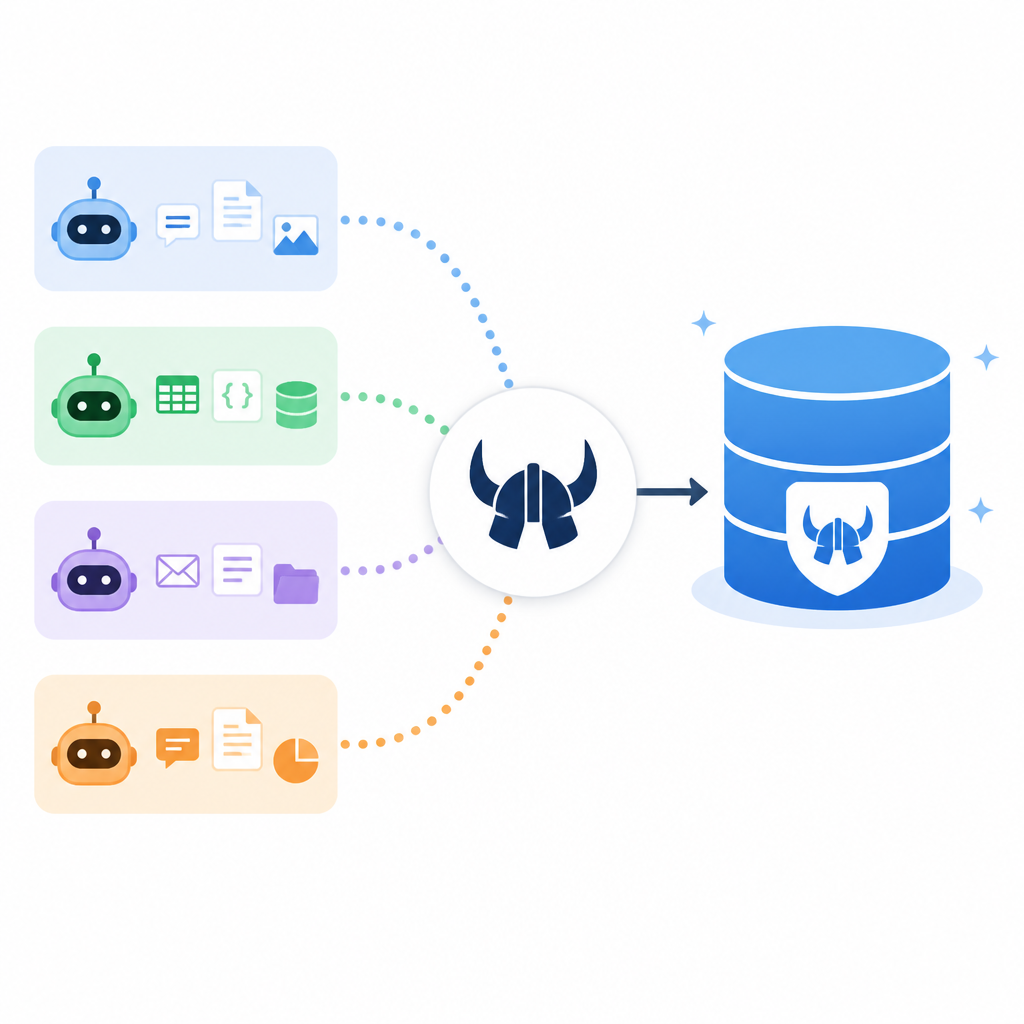
That approach is useful when a project has many related notes, tools, and memories. Recursive retrieval can move from a broad folder to a specific file, then refine the result with meaning-based search inside that area.
Example flow:
project/
  memory/
  resources/
  skills/
  notes/
Search by directory first, then semantic match inside the target branch.
4. Visualized retrieval trajectory
OpenViking exposes retrieval paths instead of hiding them. The visual trace shows how a query moved through directories and what context it pulled back, which makes debugging far easier than guessing at a black-box RAG chain.
For teams tuning agent behavior, this is a practical advantage. If the model answers badly, you can inspect the retrieval route, spot the wrong branch, and adjust the structure or search logic rather than rewriting prompts blindly.
- See the route taken by a recall query
- Inspect prompt injection and tool-call history
- Trace why a memory was or was not selected
5. Automatic session management
OpenViking also learns from ongoing sessions. It compresses conversation content, tool calls, and resource references into long-term memory, so the agent can keep improving as it works.
That makes it more than a storage layer. Over time, the system captures repeated patterns, task history, and useful artifacts, turning short-lived interactions into a more durable memory base for future runs.
- Conversation compression
- Tool-call capture
- Long-term memory extraction
How to decide
If you are building agents that need memory, retrieval, and skills in one place, OpenViking is the best fit. It is especially useful when you want inspectable context flow and a structure that feels closer to files than to a vector database.
If your agent only needs simple retrieval, a lighter RAG stack may be enough. If you need ongoing memory, traceability, and a system that can grow with repeated use, OpenViking is the stronger choice.
// Related Articles
- [IND]
OpenAI's GPT-5.6 update reshapes ChatGPT
- [IND]
Cloudflare’s OpenAI pilot is a smart bet on fresher search
- [IND]
Cloudflare’s 487-partner ecosystem on Partnerbase
- [IND]
Anthropic’s access cut shows speech limits in AI
- [IND]
GPT 5.6 becomes Microsoft 365 Copilot’s preferred model
- [IND]
WebX 2026 turns speaker hype into a conference brief