RigModels Lists 54 Free Sora 3D Models
RigModels lists 54 free Sora 3D models in OBJ, FBX, STL, DAE, and GLB for Blender, Unity, Maya, and 3ds Max.

RigModels lists 54 free Sora 3D models in multiple export formats.
RigModels currently shows 54 Sora-related 3D model results, and the page is built around free downloads in formats like OBJ, FBX, STL, DAE, and GLB. For anyone working in Blender, Unity, or Maya, that mix matters more than the character name itself.
The page also advertises a larger catalog with 100,000+ free models and 10,000+ animations, plus automatic rigging and animation tools. That makes the Sora search page less like a single asset listing and more like a quick entry point into a broader stockpile of game-ready and fan-made character meshes.
| Metric | Value | Why it matters |
|---|---|---|
| Sora search results | 54 | Enough variety to compare outfits, forms, and alternate character versions |
| Free model formats | OBJ, FBX, STL, DAE, GLB | Covers common workflows across DCC tools and engines |
| Catalog size | 100,000+ models | Signals a large library beyond the Sora query |
| Animation library | 10,000+ | Useful if you want motion assets alongside meshes |
| Polygon count example | 2,169 to 799,928 | Shows a huge spread from lightweight character assets to dense anatomy scans |
What the Sora page actually contains
Get the latest AI news in your inbox
Weekly picks of model releases, tools, and deep dives — no spam, unsubscribe anytime.
No spam. Unsubscribe at any time.
The search results are a mixed bag of character variants, alternate costumes, and a few unrelated models that happen to match the keyword. Most of the Sora entries are clearly tied to Kingdom Hearts, with labels like Pride Lands, Halloween Town, Wisdom Form, Valor Form, Limit Form, Tron Space Paranoids, and Christmas Town.

That variety matters because it tells you what kind of site this is. RigModels is not curating a museum-quality archive of one franchise character. It is indexing downloadable meshes that are useful for prototypes, fan projects, quick scene blocking, or reference work when you need a recognizable silhouette fast.
- There are 54 results for the Sora keyword.
- Several Sora variants repeat at 2,861, 4,834, and 3,583 polygons.
- Some entries are extremely light, such as the 2,169-polygon Sora Takenouchi model.
- Some entries are far heavier, including a 799,928-polygon sacral plexus scan elsewhere on the page.
The technical details are also plain enough for developers and artists to judge quickly. Each listing mentions texture support, UV mapping, and export formats, which is the sort of metadata you want before importing anything into a scene. If you are building a game asset pipeline, that is the first filter that saves time.
Why the format list matters more than it looks
The headline feature here is not the character itself. It is the file compatibility. OBJ and FBX cover the most common interchange workflows, STL helps with print-oriented use cases, DAE still appears in older pipelines, and GLB is the modern choice for web and lightweight runtime delivery.
That spread makes the page useful to different kinds of users for different reasons. A Blender artist may want a quick import for cleanup. A Unity developer may care about FBX or GLB for engine testing. A technical artist may want to compare polygon counts before deciding whether a model needs retopology.
“The key to a good 3D model is not just how it looks, but how it works in your pipeline.” — Autodesk
That line matches the practical reality of this page. A model that opens cleanly in the right software is more valuable than one with fancy screenshots and messy geometry. RigModels is betting that utility beats presentation, and the page design backs that up.
How the Sora listings compare
The Sora entries are not all the same quality or complexity. Some are compact character meshes around 2,200 to 2,900 polygons, while others jump to nearly 5,000 polygons for form-specific variants. That range is small enough to stay manageable in real-time projects, but large enough to preserve costume detail where it matters.
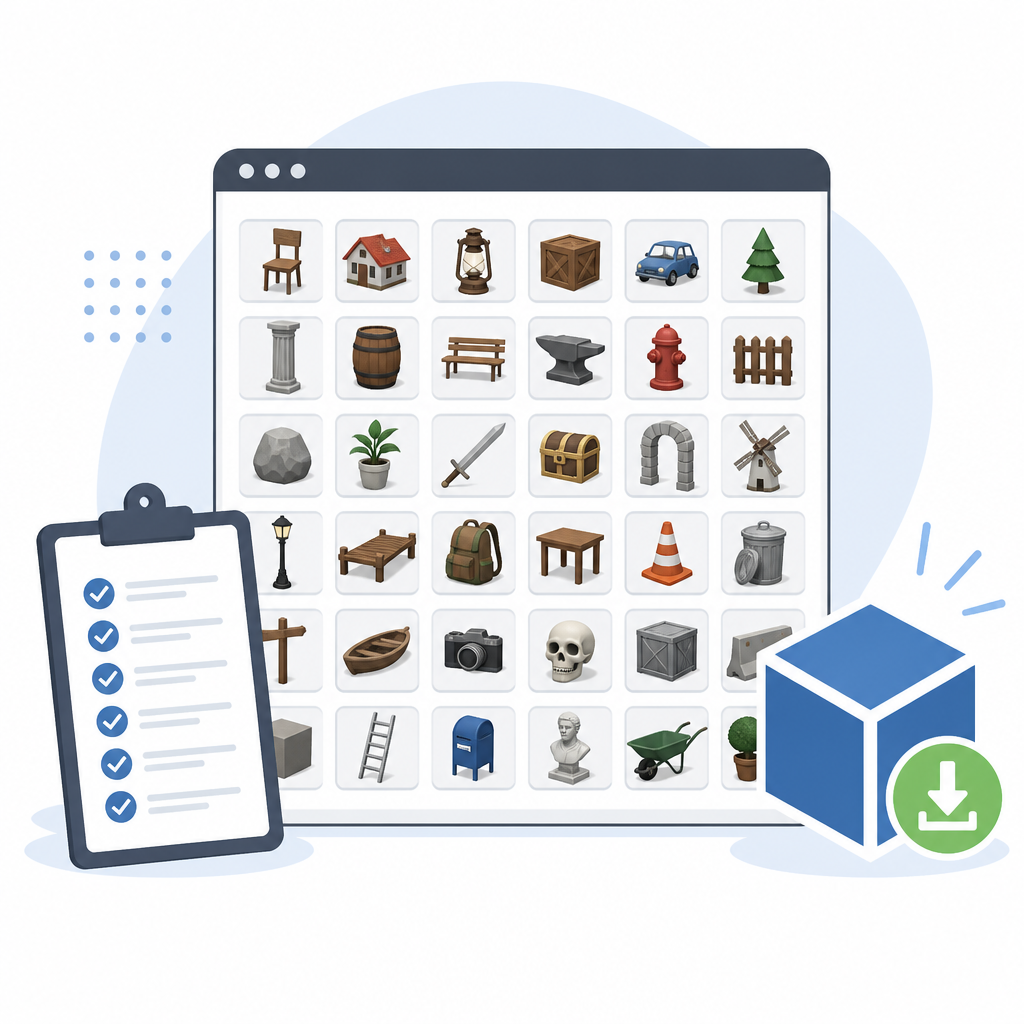
For comparison, the page also includes completely different asset types, such as a Hawaiian girl voxel model at 16,044 polygons and a custom figurine at 249,102 polygons. Those numbers give you a sense of how broad the catalog is, and they also show that “free” does not mean “low detail” across the board.
- Sora Takenouchi: 2,169 polygons
- Sora Child: 2,450 polygons
- Sora Christmas Town: 4,932 polygons
- Lion Sora: 4,054 polygons
- Hawaiian girl Voxel: 16,044 polygons
- Frigiel Figurine: 249,102 polygons
If you are comparing these for production use, the best question is simple: do you need a reference mesh, a playable asset, or a print-ready object? The answer changes the model you should pick. A lighter mesh may be ideal for mobile or web demos, while a denser one makes more sense for close-up renders or sculpting reference.
What this says about asset marketplaces in 2026
Pages like this show how 3D asset search has become less about one perfect download and more about fast filtering. The site gives you names, formats, polygon counts, and a rough idea of intended use. That is enough for a developer to decide whether to click through, and enough for an artist to reject a bad fit immediately.
It also hints at the way fan-made and utility-driven asset libraries now overlap. A keyword like Sora can surface game character variants, unrelated character names, and even anatomy scans if the index is broad enough. That messiness is annoying, but it is also useful because it reflects how people actually search for assets.
For readers who want to keep track of similar tools and model libraries, OraCore has been following the same theme in other posts, including our coverage hub for AI and creator tools. The common thread is simple: search quality matters as much as asset quality.
Bottom line for developers and artists
If you need a Sora model for a prototype, a fan project, or a quick scene test, RigModels gives you enough variety to start without paying first. The real value is the spread of formats and polygon counts, which makes the page usable across engines, DCC tools, and even 3D printing workflows.
The next question is whether you want convenience or control. If you need a clean foundation that drops into Blender or Unity with minimal cleanup, this page is worth bookmarking. If you need production-grade consistency, you will still want to inspect topology, rigging, and licensing before shipping anything.
My prediction is simple: asset search pages that expose format support and polygon counts up front will keep winning users, because they save the one thing creators never have enough of, which is time.
// Related Articles
- [TOOLS]
How AI Rewrites PostgreSQL in Rust
- [TOOLS]
AI Agent tooling that turns docs into workflows
- [TOOLS]
Docker Desktop on Windows in one clean install flow
- [TOOLS]
Grok 4.5 hits Cursor with $2/$6 pricing
- [TOOLS]
AGT turns agent calls into governed actions
- [TOOLS]
OpenClaw v2026.7.1 turns control UI into a workspace