Serve Robotics is building a broader robotics model
4 signals show Serve Robotics is moving past food delivery into software, healthcare, and recurring revenue streams.

Is Serve Robotics building a business that can grow beyond sidewalk delivery?
Serve Robotics is adding software, healthcare, and recurring revenue to its delivery robot business.
| Item | What it adds | Key data point |
|---|---|---|
| Serve Robotics | Sidewalk delivery plus software and data | Q1 revenue rose nearly 7x to almost $3 million |
| Diligent Robotics | Healthcare automation | Expands reach to 44 cities in 14 states |
| Uber Technologies | Partner-led autonomous delivery network | Builds a platform across multiple robotics partners |
| Symbotic | Warehouse automation and software | Targets controlled logistics environments |
1. Serve Robotics is adding more than delivery fees
Get the latest AI news in your inbox
Weekly picks of model releases, tools, and deep dives — no spam, unsubscribe anytime.
No spam. Unsubscribe at any time.
Serve Robotics is no longer just a sidewalk delivery story. The company’s latest quarter showed revenue rising nearly sevenfold year over year to almost $3 million, with software services accounting for about one-third of sales and nearly half of revenue now recurring.
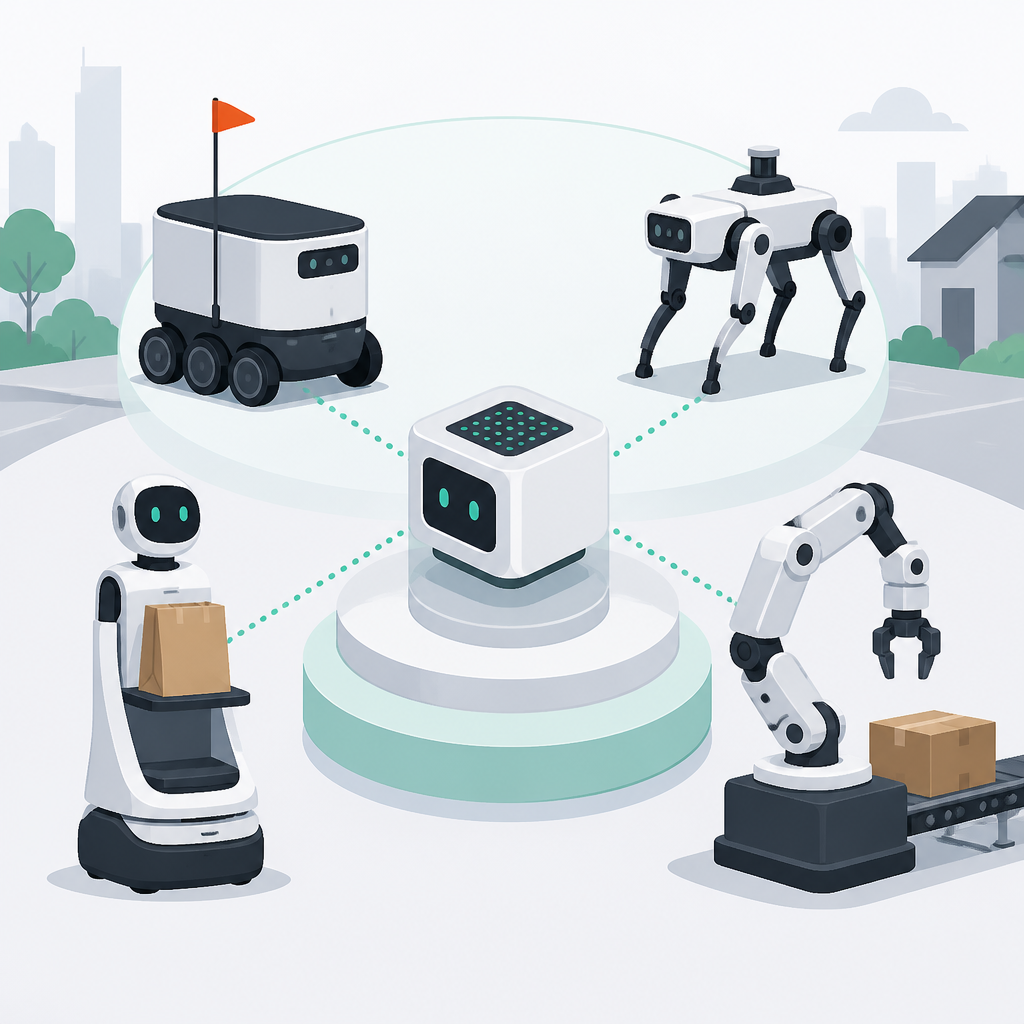
That mix matters because it changes how the business can scale. Hardware deployments still drive the core operation, but software, connectivity, branding, and proprietary data can produce higher-margin revenue over time.
- Q1 revenue: almost $3 million
- Software share: roughly one-third of revenue
- Recurring revenue: nearly half of total revenue
2. Diligent Robotics widens the use case
The acquisition of Diligent Robotics gives Serve exposure to healthcare automation, not just food delivery. That brings hospital logistics into the mix, which is a different operating setting but one that can still use the same autonomy stack.
Serve says the two businesses can share core navigation and AI improvements. If that works, the company can spread product development across more than one market instead of depending on a single robot use case.
- New category: hospital logistics
- Combined footprint: 44 cities across 14 states
- Shared asset: autonomy platform
3. The monetization model is getting wider
Serve is also trying to earn money from the platform around the robot, not only the robot itself. That includes fleet services, software, connectivity, branding, and data, plus a possible future business selling its communications platform to other robotics firms.
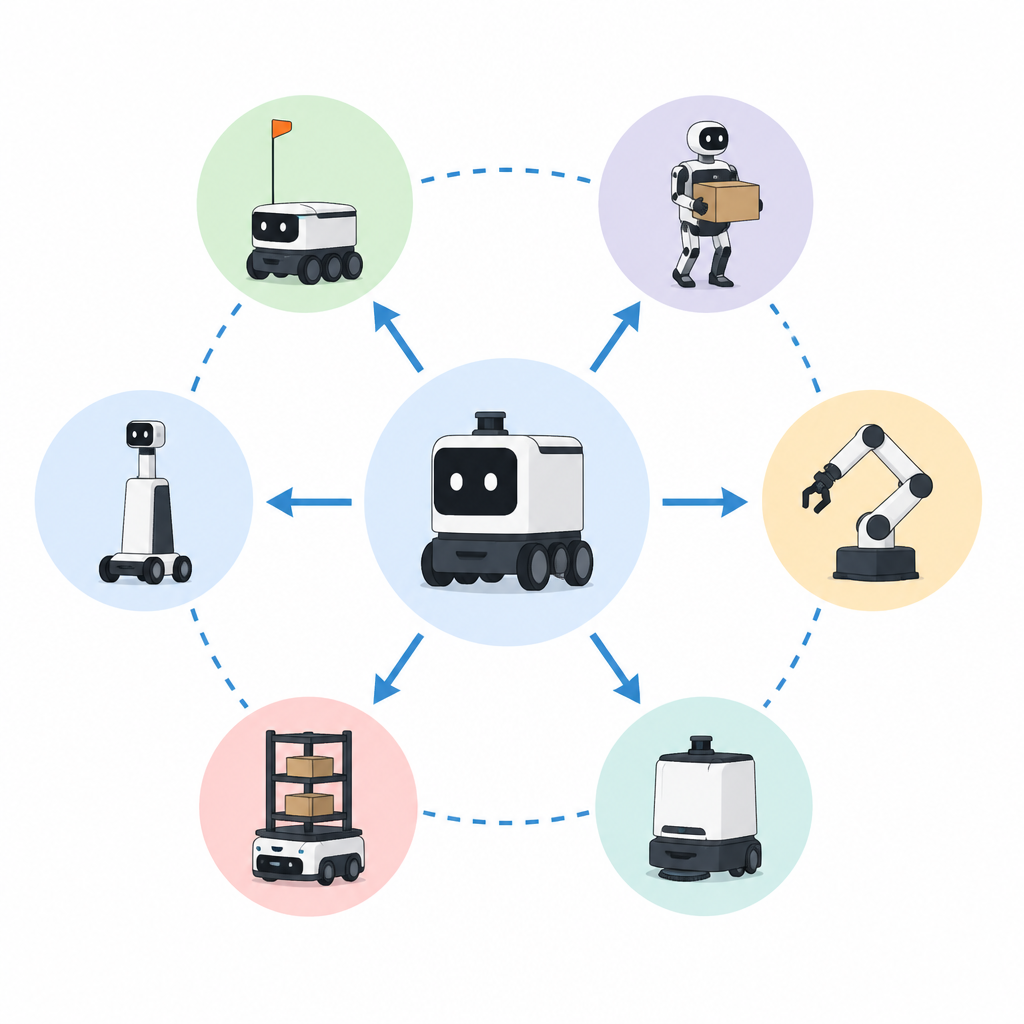
This is the part that could improve margins if execution holds. Software and platform services usually cost less to scale than physical fleet operations, so every new revenue line matters more than a simple increase in robot count.
Revenue mix ideas now in play:
- Fleet services
- Software services
- Connectivity solutions
- Branding
- Proprietary data
- Third-party communications platform
4. Uber and Symbotic show the pattern is bigger than Serve
Uber Technologies and Symbotic point to the same shift in robotics. Uber is building an autonomous delivery ecosystem through partners rather than making every machine itself, while Symbotic uses AI-powered robots and software to automate warehouse inventory and fulfillment.
They operate in different settings, but the business logic is similar: combine hardware, software, and services so revenue is not tied to one robot, one customer type, or one site. That makes the comparison useful for Serve, which is trying to move from a single application to a platform model.
- Uber: partner-led last-mile delivery
- Symbotic: warehouse automation
- Serve: sidewalks, hospitals, and platform services
5. The valuation says the market is still cautious
Even with the broader strategy, investors have not rewarded the stock. Shares are down 41.8% over the past year, and Serve trades at a forward 12-month price-to-sales multiple of 9.52, below the industry average of 11.3.
The company is still posting losses, and the consensus estimate for 2026 calls for a loss of $2.67 per share. Management has kept its revenue target at $26 million for 2026, so the next test is whether the new revenue mix can grow fast enough to support that goal.
- 12-month share performance: -41.8%
- Forward P/S: 9.52
- Industry average P/S: 11.3
- 2026 revenue guide: $26 million
- 2026 EPS estimate: -$2.67
How to decide
If you want a pure delivery-robot story, Serve is still early and still loss-making. If you want exposure to a robotics company trying to build recurring software and platform revenue, this is the more interesting angle.
For readers comparing robotics names, Uber offers a partner network model and Symbotic offers warehouse automation at scale. Serve sits between them, with the clearest question being whether its software and healthcare bets can grow fast enough to matter.
// Related Articles
- [IND]
AI Weekly: 2026-06-29 ~ 2026-07-06
- [IND]
Daily HuggingFace AI Papers keeps research moving
- [IND]
AI Companion Rules and App Rollbacks Explained
- [IND]
Meta’s $182.9B AI bet may need compute sales
- [IND]
DSpark vs MTP methods in one clear comparison
- [IND]
What China’s AI unicorns are saying in 2026