SK Telecom’s Anthropic tie became a policy flashpoint
4 takeaways on how SK Telecom’s Anthropic investment, China concerns, and Mythos access turned into a White House fight.

SK Telecom’s Anthropic ties helped turn Mythos access into a White House export-control fight.
SK Telecom’s access to Anthropic’s most advanced model became the flashpoint in a dispute that ended with the White House ordering access revoked for foreign nationals. The company had also invested $100 million in Anthropic in 2023.
| Item | Key point | Notable detail |
|---|---|---|
| SK Telecom | Investment and partnership | $100 million invested in 2023 |
| Project Glasswing | Restricted access program | About 150 companies got access to Mythos |
| China exposure | Government concern | 2024 China revenue was about $1.9 million |
| UNISK venture | Historical China tie | Formed in 2004 with China Unicom |
1. The Anthropic-SK Telecom partnership
Get the latest AI news in your inbox
Weekly picks of model releases, tools, and deep dives — no spam, unsubscribe anytime.
No spam. Unsubscribe at any time.
SK Telecom was not just a customer. It had already poured capital into Anthropic several times, including a $100 million investment in 2023, and that deal lined up with a commercial partnership to build an AI model for telecommunications.
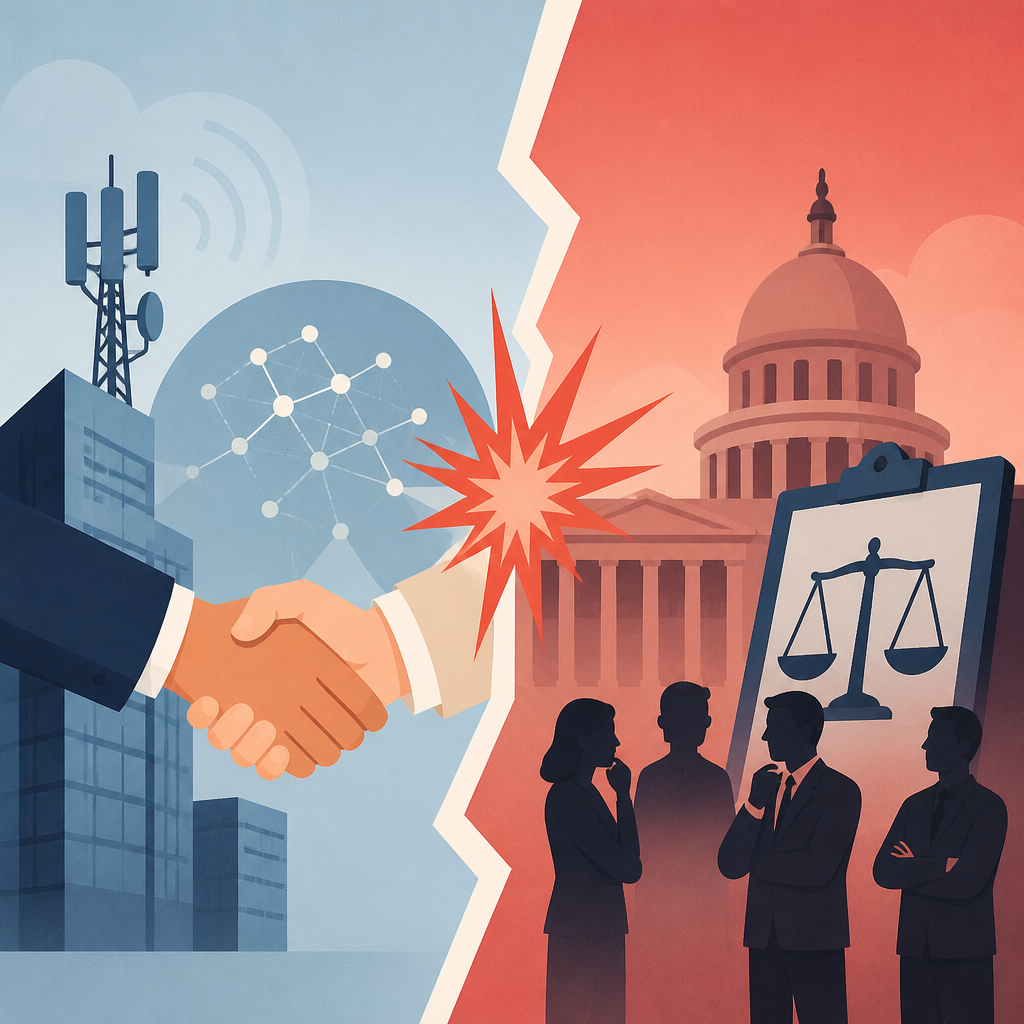
That history matters because the White House dispute was not only about model access. It was also about whether a foreign telecom company with past China ties should be trusted with Anthropic’s most advanced systems.
- 2023 investment: $100 million
- Commercial focus: telecom-specific AI model
- Parent group: SK Group
2. Project Glasswing and Mythos access
Anthropic gave Mythos access through a small trusted-organization program called Project Glasswing. SK Telecom was one of roughly 150 companies added when the program expanded after weeks of work with outside experts and the US government.
Mythos was treated as especially sensitive because it is unusually good at finding software vulnerabilities. That is why Anthropic limited access in the first place, and why the White House reacted so strongly when officials learned who had it.
- Program name: Project Glasswing
- Recipients: about 150 companies
- Model: Claude Mythos
- Risk area: cyber capability and vulnerability discovery
3. The White House order and shutdown
According to people familiar with the matter, the White House asked Anthropic to revoke SK Telecom’s Mythos access shortly after the expanded rollout. Anthropic complied right away, then later disabled access to Mythos and Fable 5 entirely rather than try nationality-based filtering.
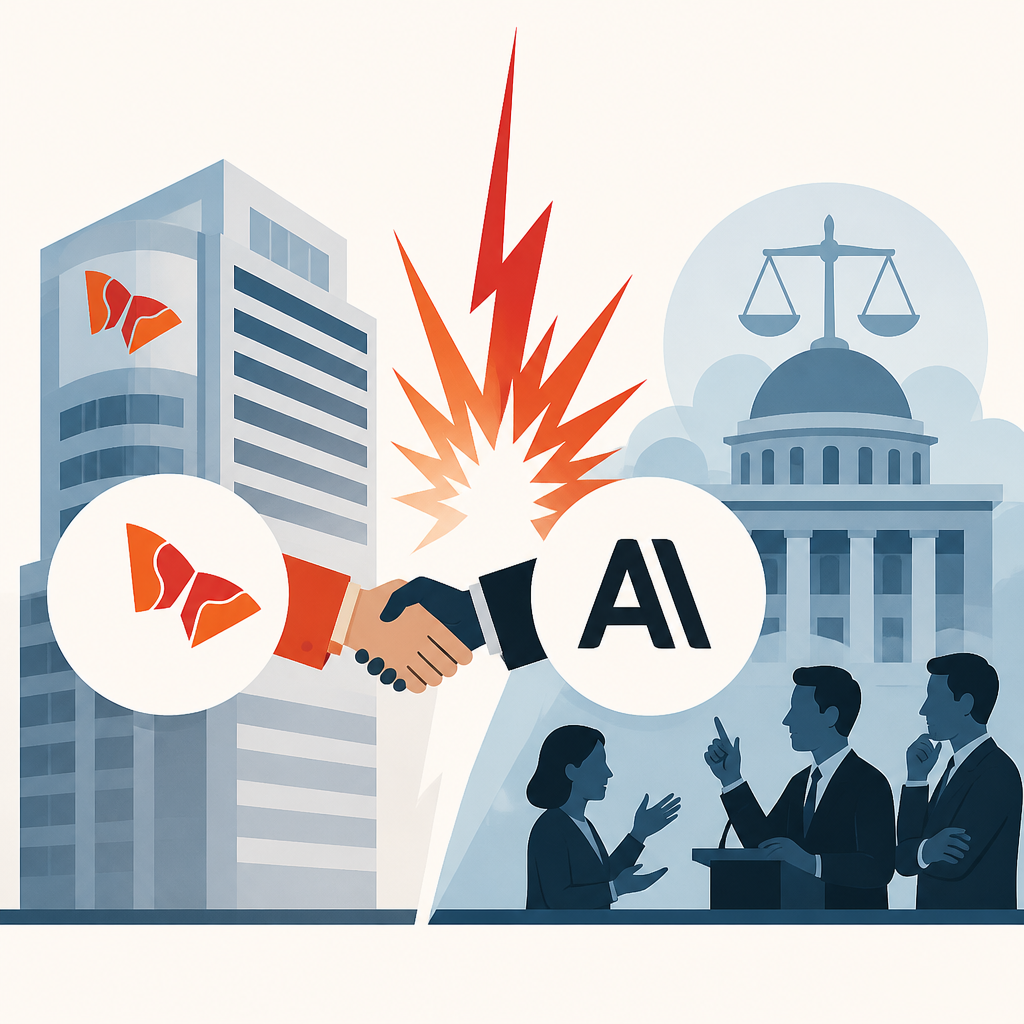
The broader government demand went further than the SK Telecom issue. Officials wanted Anthropic to restrict the models to US nationals, which would have been difficult to enforce without creating privacy and access problems. That pressure turned a single access dispute into a wider export-control fight.
- Immediate action: SK Telecom access revoked
- Later step: Mythos and Fable 5 taken offline
- Government ask: US-nationals-only access
4. Why China concerns followed SK Telecom
US officials were worried about alleged ties between SK Telecom and China, even though the company says it has no ties to China. The concern appears to have grown because SK Telecom sits inside SK Group, whose affiliates do business in China across semiconductors, energy, and more.
The telecom carrier’s own China footprint was small in 2024, with about $1.9 million in revenue and just seven employees there. But its older history with China Unicom mattered: a 2004 joint venture called UNISK, a 2006 $1 billion convertible bond investment, and a later unwind that still left a small financial stake.
- 2024 China revenue: about $1.9 million
- 2024 China employees: seven
- 2004 venture: UNISK with China Unicom
- 2025 filing: UNISK stake valued at about $17 million
5. The export-control backdrop
The dispute landed in a broader US policy push on Chinese telecom links. The FCC proposed barring US telecom firms from interconnecting with China Unicom and other Chinese carriers, and earlier US actions had already restricted investment in China Unicom.
That backdrop helps explain why Anthropic’s model access became a national-security issue rather than just a product decision. Once the White House linked AI capability, foreign access, and telecom ties, the company was pulled into a policy fight it did not control.
How to decide
If you want the shortest version of the story, start with the partnership and the White House order: SK Telecom invested in Anthropic, then lost access to Mythos after officials raised concerns. If you want the policy angle, focus on Project Glasswing and the China-related history, since those are what turned a model-access program into an export-control dispute.
For readers tracking AI governance, this is a case about trust, not just technology. For readers tracking telecoms, it is a reminder that old cross-border business ties can resurface when governments start scrutinizing advanced AI access.
// Related Articles
- [IND]
80% of Q1 2026 VC Went to AI, But Blockchain Is Next
- [IND]
Seed’s anti-distillation rule turns open models into policy
- [IND]
Windows Codex and Claude Code fixes that work
- [IND]
Rust 1.97.1 fixes a compiler bug stable users felt
- [IND]
OpenAI Astra turns math proofs into a workflow
- [IND]
OpenCode Go makes open coding models affordable