37 components in Texas Design System for state sites
Texas DIR launched a 37-component design system to help agencies build more accessible, consistent websites under HB 5195.

Texas DIR launched a 37-component design system to help agencies modernize state websites.
Texas Department of Information Resources (DIR) launched the Texas Design System on June 9, 2026, giving state agencies a shared library of website parts, templates, and guidance for modernizing public-facing sites and service portals. The toolkit is meant to make Texas government websites more accessible, easier to use, and more consistent across agencies.
| 項目 | 數值 |
|---|---|
| Launch date | June 9, 2026 |
| Website components | 37 |
| Accessibility target | WCAG 2.2 AA |
| Law driving the effort | House Bill 5195 (89R) |
What changed
Get the latest AI news in your inbox
Weekly picks of model releases, tools, and deep dives — no spam, unsubscribe anytime.
No spam. Unsubscribe at any time.
The new system is a one-stop resource for agencies working under House Bill 5195, which directs Texas state agencies to improve accessibility, navigation, responsive design, and digital service efficiency across websites and online portals. DIR said the system was developed with a cross-agency website modernization workgroup.
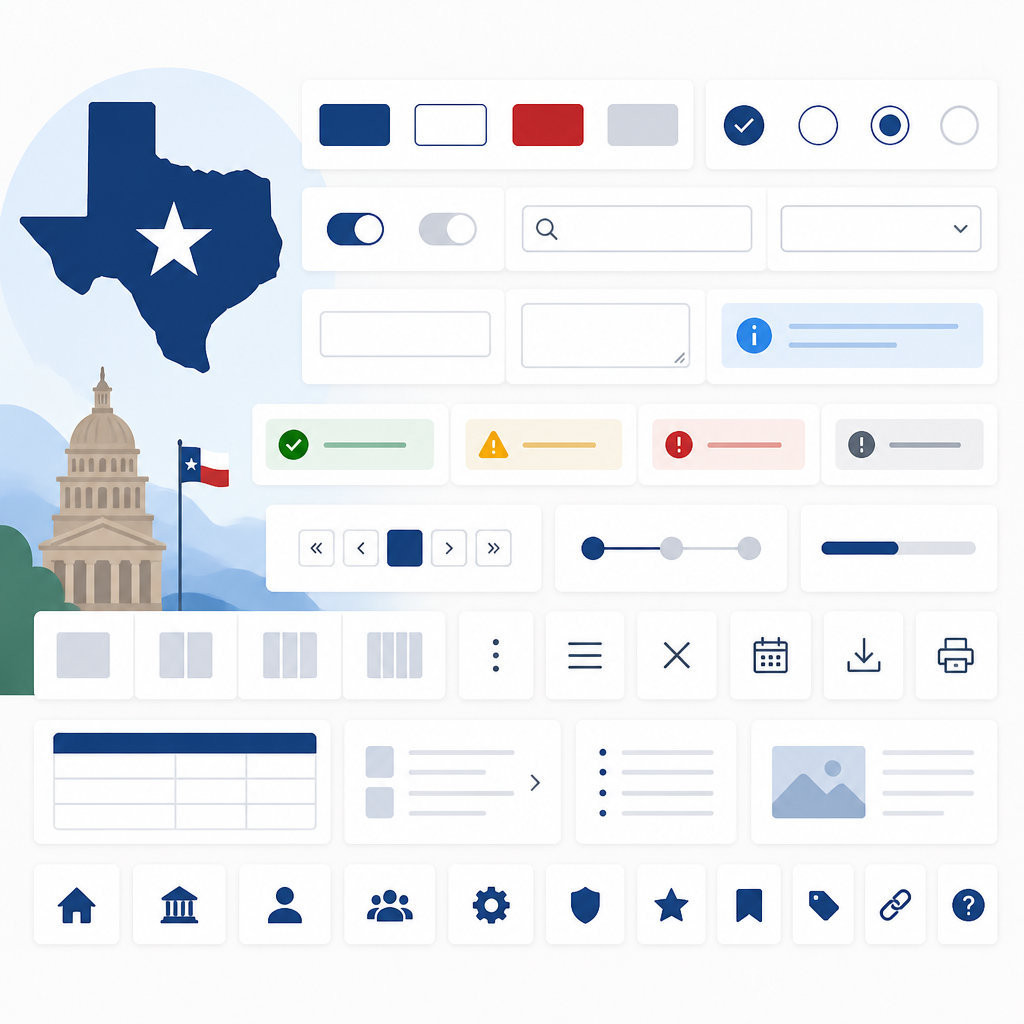
The package includes 37 ready-to-use components plus standardized templates and implementation guidance. DIR says the components cover common government site needs such as navigation menus, online forms, search, alerts, responsive layouts, and service pages.
- Standardized headers, footers, buttons, cards, menus, and page layouts
- Figma design files and website templates released earlier
- Built to support screen readers and other assistive tech
- Designed to work across desktop, tablet, and mobile devices
Why it matters
For developers and agency web teams, the appeal is speed and consistency. Instead of building common interface pieces from scratch, teams can start with approved components that already align with accessibility and usability guidance.
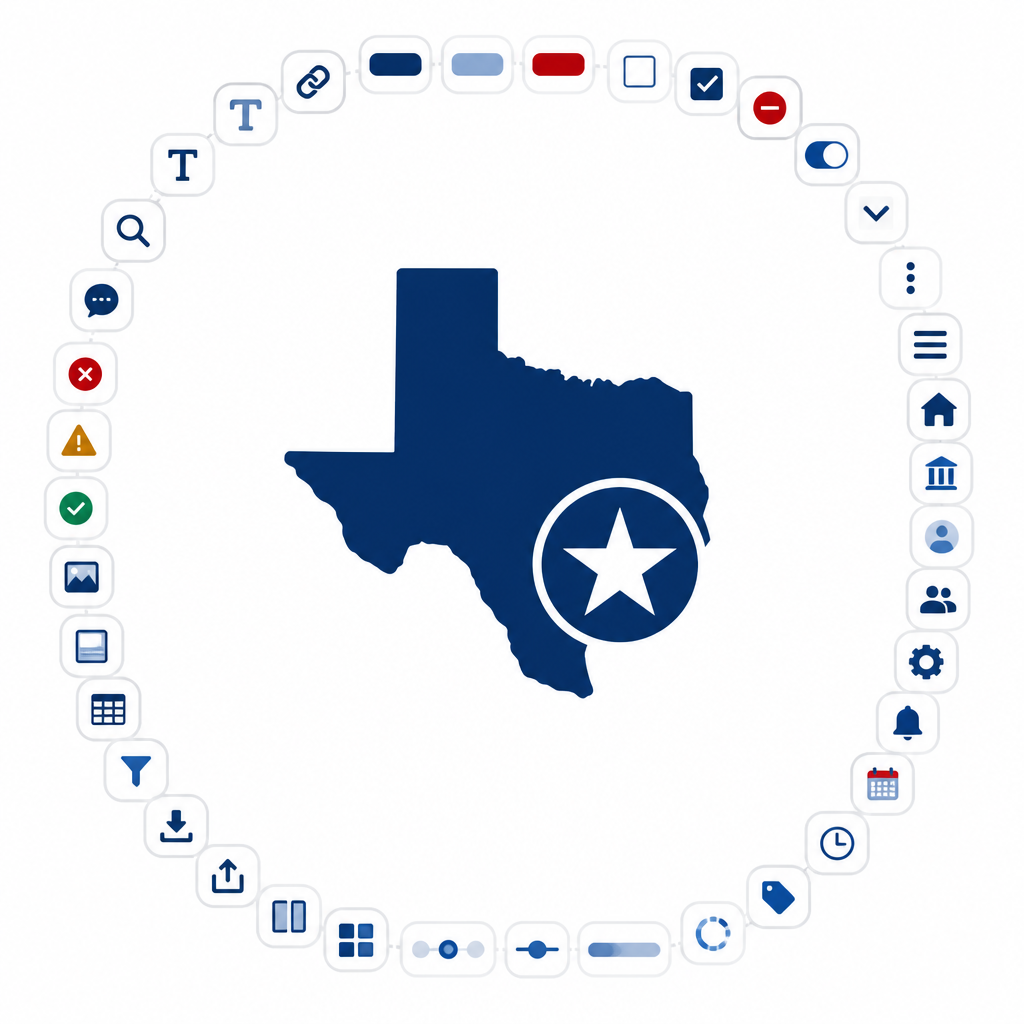
DIR says the system also helps create a familiar look across Texas government sites while still leaving agencies room to keep their own branding, colors, and typography. That balance matters for large public-sector portfolios where users often move between agencies and services.
“Accessibility is a fundamental component for Texans accessing government services online,” said Marie Cohan, DIR’s Statewide Digital Accessibility Officer. “The Texas Design System gives agencies practical, easy-to-use tools to create digital experiences that are more accessible, mobile-friendly, and easier to navigate for Texans of all abilities.”
The bigger question is whether other states will treat Texas’ approach as a reusable model: one design system, shared standards, and fewer inconsistent government interfaces.
// Related Articles
- [TOOLS]
Rust vs Go: 2026 latency gap, decoded
- [TOOLS]
10 identity protocols let KYC stay private
- [TOOLS]
Use Consensus AI for faster literature scouting
- [TOOLS]
15 Perplexity prompts for better research decisions
- [TOOLS]
Mistral AI Models 2026 for Builders
- [TOOLS]
RustRover 2026.2 turns Rust setup into one file