Trump lifts limits on Anthropic’s Fable and Mythos
The Trump administration removed export limits on Anthropic’s Fable 5 and Mythos 5 models, easing a fresh fight over AI controls.

The Trump administration removed export limits on Anthropic’s Fable 5 and Mythos 5 models.
The Trump administration removed export restrictions on Anthropic’s Fable 5 and Mythos 5 artificial intelligence models Tuesday evening, ending a fast-moving dispute over how the U.S. should control powerful AI systems abroad. The decision came after weeks of tension around export rules for advanced models and the companies building them.
What makes this move worth watching is the timing. It lands in the middle of a broader policy fight over whether model access, weights, and deployment rights should be treated like strategic technology exports. Anthropic, which has pushed hard on AI safety and policy, now gets a cleaner path for two of its latest systems.
| Item | Detail |
|---|---|
| Company | Anthropic |
| Models | Fable 5 and Mythos 5 |
| Action | Export restrictions removed |
| Date | Tuesday evening, June 30, 2026 |
| Source | POLITICO |
What changed, and why it matters
Get the latest AI news in your inbox
Weekly picks of model releases, tools, and deep dives — no spam, unsubscribe anytime.
No spam. Unsubscribe at any time.
Export restrictions on AI models are not a small paperwork issue. They can shape where models are deployed, who can access them, and how much friction a company faces when shipping products across borders. When a model is flagged for tighter controls, the effects can reach customers, partners, and cloud infrastructure teams almost immediately.
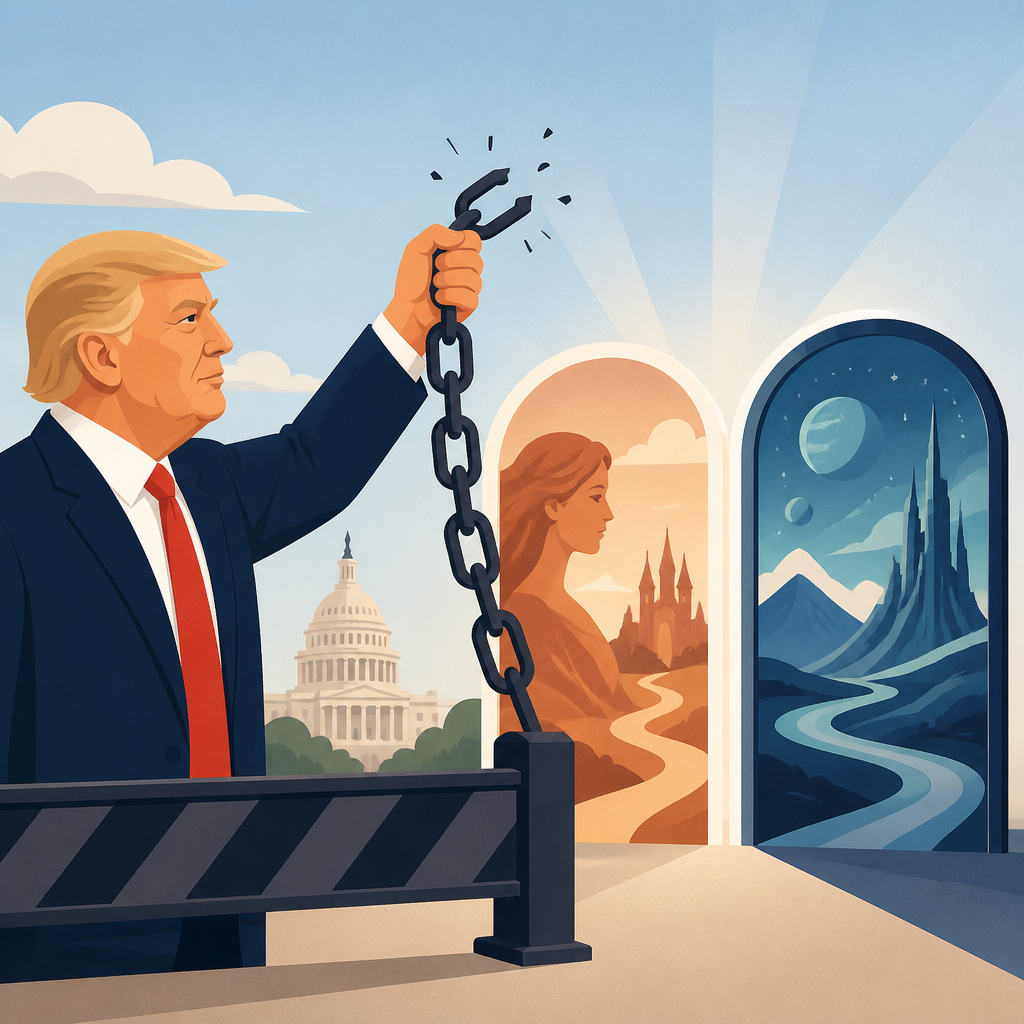
For Anthropic, the rollback matters because Fable 5 and Mythos 5 are not legacy systems. They are the company’s current AI products, and any export limitation can complicate commercial rollouts. Removing the restriction gives Anthropic more room to sell, test, and support these models without the same level of policy drag.
- Anthropic avoids a fresh compliance burden on two current models.
- International deployment becomes simpler for enterprise customers.
- The White House signals it is willing to reverse course quickly on AI controls.
- Other model makers will read this as a signal about how export policy may shift again.
The policy fight around advanced AI is getting sharper
The U.S. government has been trying to figure out where to draw the line between national security and commercial AI growth. That tension is now showing up in export controls, licensing decisions, and model governance rules. A restriction can be imposed for security reasons, then pulled back if the political or technical case weakens.
That back-and-forth creates uncertainty for developers and enterprise buyers. If a model can be restricted one week and cleared the next, product teams have to plan for policy volatility, not just technical risk. For companies building on top of foundation models, that matters as much as benchmark scores or pricing.
“The administration’s AI export control policy is not about stopping innovation; it is about making sure American AI systems do not end up powering adversaries.” — Jake Sullivan, White House National Security Advisor, Oct. 2023
That quote, from the Biden-era national security playbook, captures the logic behind the debate even as the Trump administration changes the details. The issue is less about whether AI should be exported and more about which systems get treated like strategic assets.
How this compares with other AI policy moves
AI export policy has already affected chips, cloud access, and model distribution. The difference here is that the pressure is aimed directly at named models rather than only at hardware. That makes the decision easier to understand politically, but harder to predict for companies shipping frontier systems.
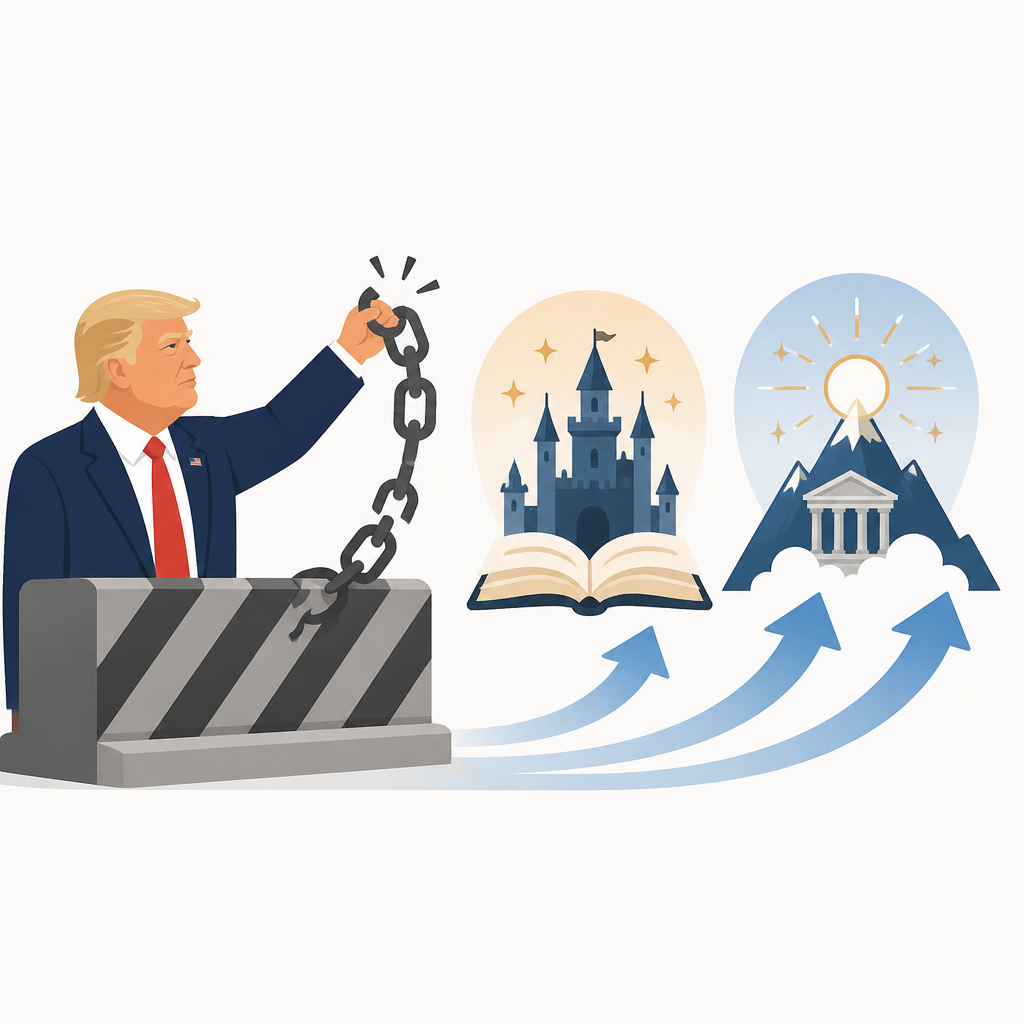
It also puts Anthropic in a different position from firms that have stayed quieter on policy. The company has repeatedly argued that strong safety rules should apply to advanced models, and that stance can cut both ways when governments start writing rules for who gets access to what.
- OpenAI has faced similar scrutiny around model access and deployment policy.
- Google AI and Meta AI both operate under growing export and compliance pressure.
- The White House can change the temperature of the entire market with one policy decision.
- POLITICO reported the restriction lift as a same-day policy reversal.
There is also a practical takeaway for developers: AI policy is no longer background noise. It can affect which model endpoints stay available, how vendors price enterprise contracts, and whether a product can launch in a target market on schedule. Teams that ignore export rules may discover the hard way that legal status can change faster than product roadmaps.
What to watch next
The big question now is whether this was a one-off reversal or the start of a softer approach to AI export restrictions. If the White House continues lifting limits on named models, AI vendors will have more room to operate internationally. If the administration reimposes controls later, the industry will get another reminder that policy risk is part of the AI stack.
For now, Anthropic gets relief, and the broader market gets a clear signal: advanced model exports are still a political issue, but the rules are not fixed. The next move from Washington will tell developers whether this was a narrow correction or the first sign of a wider policy reset.
// Related Articles
- [IND]
OpenAI推AI手机:2028年量产落地
- [IND]
OpenAI’s rollout delay proves frontier AI needs government gates
- [IND]
UN Open Source Week 2026 centers AI cooperation
- [IND]
Zhipu’s GLM 5.2 is pressuring frontier AI pricing
- [IND]
OpenCode gives teams a free, model-agnostic agent
- [IND]
SDLC explained: the 7 phases and key models