UN Open Source Week 2026 centers AI cooperation
UN Open Source Week 2026 focuses on open source AI, digital public infrastructure, and practical cooperation across UN stakeholders.

UN Open Source Week 2026 examines how open source can shape AI, digital public infrastructure, and digital cooperation.
On 23 June 2026, the United Nations aired the second part of Open Source for AI and Emerging Technologies, a 1 hour 46 minute session inside UN Web TV's coverage of UN Open Source Week 2026. The event is built around a simple idea with big policy weight: open source is becoming part of how governments and institutions think about AI, public infrastructure, and digital cooperation.
The UN describes the week as its premier global forum for open source collaboration in support of the Sustainable Development Goals and the Global Digital Compact. That framing matters because the session is not just about code. It is about whether open source can help countries build AI capacity, reduce dependence on closed systems, and make digital public infrastructure cheaper to deploy and easier to adapt.
| Fact | Detail |
|---|---|
| Event date | 23 June 2026 |
| Video length | 01:46:23 |
| Session focus | Open source for AI and emerging technologies |
| Core themes | Open hardware, open robots, OSPOs, DPI |
| UN organizers | ODET and OICT |
What the UN is trying to solve
Get the latest AI news in your inbox
Weekly picks of model releases, tools, and deep dives — no spam, unsubscribe anytime.
No spam. Unsubscribe at any time.
The UN's own summary makes the goal clear: bridge digital divides, promote responsible AI development, and build AI capacity. That is a practical agenda, not a slogan. Countries that lack local compute, tooling, or vendor bargaining power often end up consuming AI systems built elsewhere, with limited visibility into how those systems were trained or tuned.
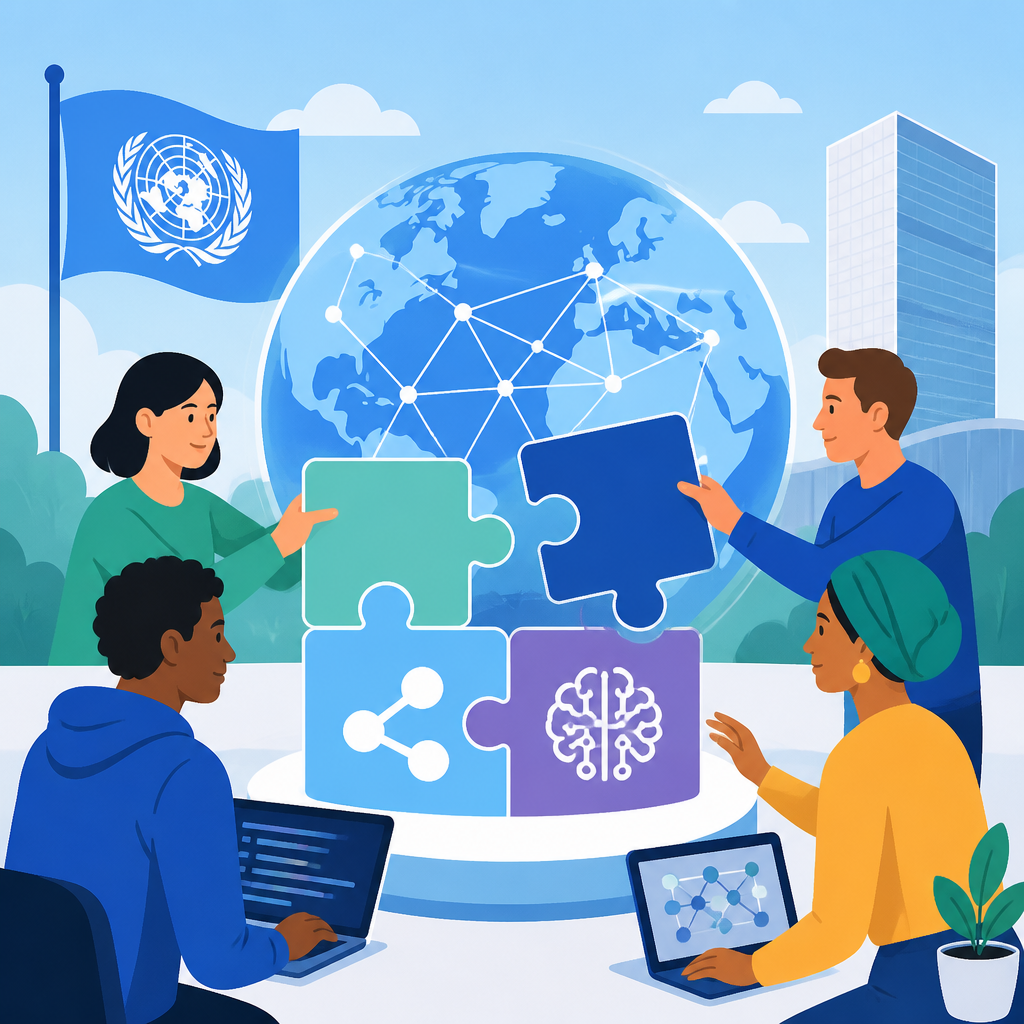
Open source does not erase those gaps by itself, but it changes the terms of participation. If a ministry, university lab, or local startup can inspect code, modify models, or reuse infrastructure pieces, it has a better shot at building something suited to local rules and languages. That is one reason the UN is pairing AI with topics like open hardware and open robots, which push the conversation beyond software licenses.
There is also a diplomatic angle. The session sits inside a larger UN effort to connect policy language with implementation. That is where open source often enters the room: as a way to turn abstract commitments into software stacks, standards, and shared tooling that institutions can actually deploy.
- Open source lowers the cost of experimentation for public agencies.
- Shared code can reduce duplication across countries and UN programs.
- Local adaptation matters more when AI systems affect public services.
- Open hardware and open robots widen the discussion beyond model APIs.
Why open source keeps showing up in AI policy
Open source has become a practical answer to a policy problem: how do you build AI systems that are inspectable, adaptable, and affordable? The UN session places that question next to digital public infrastructure, or DPI, which usually means the shared digital rails a country uses for identity, payments, data exchange, and service delivery.
That pairing is smart. AI systems need data pipelines, deployment infrastructure, and governance processes. DPI already deals with public trust, interoperability, and scale. Put those together, and open source starts to look less like a developer preference and more like a public-sector operating model.
"Open source is the foundation of digital cooperation." — Amandeep Singh Gill, UN Under-Secretary-General and Special Envoy for Digital and Emerging Technologies
Gill has repeated that line in UN settings tied to digital policy, and it captures the logic of the week: shared infrastructure makes cooperation easier than isolated procurement does. The question is whether governments will treat open source as a strategic input or as an optional add-on when budgets get tight.
The answer will shape everything from procurement to model governance. If agencies buy closed systems first and ask questions later, they inherit black-box dependencies. If they start with open components, they keep more room for audits, local tuning, and long-term maintenance.
The numbers behind the UN's open source push
The event page gives a few hard markers that show how broad the effort is. It is a full-day style program with workshops, panels, and hackathons, and it is co-organized by two UN technology offices: the Office for Digital and Emerging Technologies and the Office of Information and Communications Technology. That combination signals both policy ambition and operational intent.
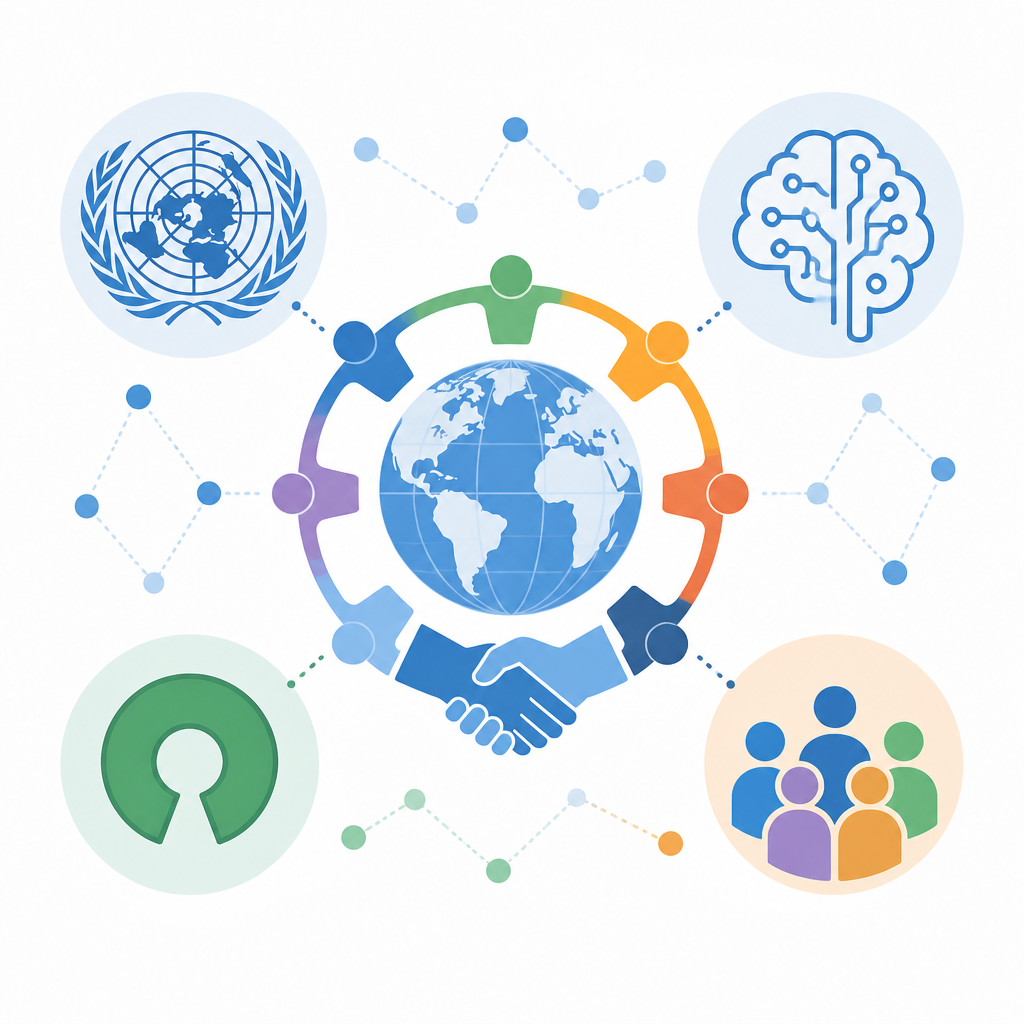
It also helps to compare this with how open source appears in the wider tech world. A 1 hour 46 minute session is long enough to move beyond keynote-level talking points, but short enough that the output still needs to be actionable. That is a useful constraint. The UN is trying to produce shared vocabulary, not just a transcript.
- 1 event page, 1 recorded session, and 1 clear policy frame around AI and open source.
- 2 UN offices co-organize the week: ODET and OICT.
- 4 recurring application areas appear in the summary: AI, DPI, OSPOs, and open hardware or robots.
- 1 core policy link ties the event to the SDGs and the Global Digital Compact.
Compared with many private-sector AI conferences, the UN format is less about product launches and more about institutional adoption. That difference matters. Public institutions do not need a demo that looks good for a quarter; they need software they can maintain for years, even when vendors change direction.
For developers, that means the interesting part is not the headline. It is the implementation detail: how open source governance, community support, and procurement policy fit together when AI moves from pilot to public service.
What to watch after the session
The most useful outcome from this UN session would be a shift in how governments talk about AI procurement. If open source becomes the default starting point for public AI work, then the next round of debates will focus less on whether to use open tools and more on how to fund maintenance, security review, and local contribution.
That is the real test for UN Open Source Week 2026. Not whether the event can generate interest, but whether it can move institutions toward reusable infrastructure and clearer rules for responsible AI. If it does, the next big question is simple: which governments will publish the first serious open AI deployments, and which will keep buying black-box systems while talking about digital sovereignty?
For readers tracking this space, the practical takeaway is to watch for follow-up work from ODET, OICT, and the communities around OSPOs and DPI. Those are the places where a conference theme turns into policy, and policy turns into code.
// Related Articles
- [IND]
GLM-5.3’s coding gains came from post-training
- [IND]
Anthropic’s data center push now has big capital backing
- [IND]
DailyArxiv turns arXiv keywords into a daily paper feed
- [IND]
Claude vs ChatGPT (2026): Is Claude Better?
- [IND]
CBDC Governance: Standards and Stakeholder Roles
- [IND]
Invisible AI watermarks are the right move for Claude