UN Open Source Week 2026 spotlights 4 AI priorities
4 priorities from UN Open Source Week 2026 show how open source can support AI, digital public infrastructure, and SDG goals.

UN Open Source Week 2026 maps four open source priorities for AI, digital public infrastructure, and SDG delivery.
UN Open Source Week 2026 puts open source at the center of AI policy, and the 3:05:09 program shows how the UN is framing that work around practical cooperation, not abstract debate.
| Item | Focus | Format signal |
|---|---|---|
| Opening Keynotes and Fireside Chat | Shared direction for open source and AI | High-level opening |
| Open Source and Artificial Intelligence | AI development and responsible use | Dedicated discussion |
| High-Level Discussion: Open Source for Digital Development | DPI and implementation | Policy-focused panel |
| Open Source and Emerging Technologies | Open hardware, open robots, and capacity building | Forward-looking session |
1. Opening Keynotes and Fireside Chat
Get the latest AI news in your inbox
Weekly picks of model releases, tools, and deep dives — no spam, unsubscribe anytime.
No spam. Unsubscribe at any time.
The opening segment sets the tone for the whole week by linking open source collaboration to the UN’s broader digital goals. It is the place where the event’s main argument becomes clear: open source is not just a software model, but a way to coordinate public-interest technology work across borders.
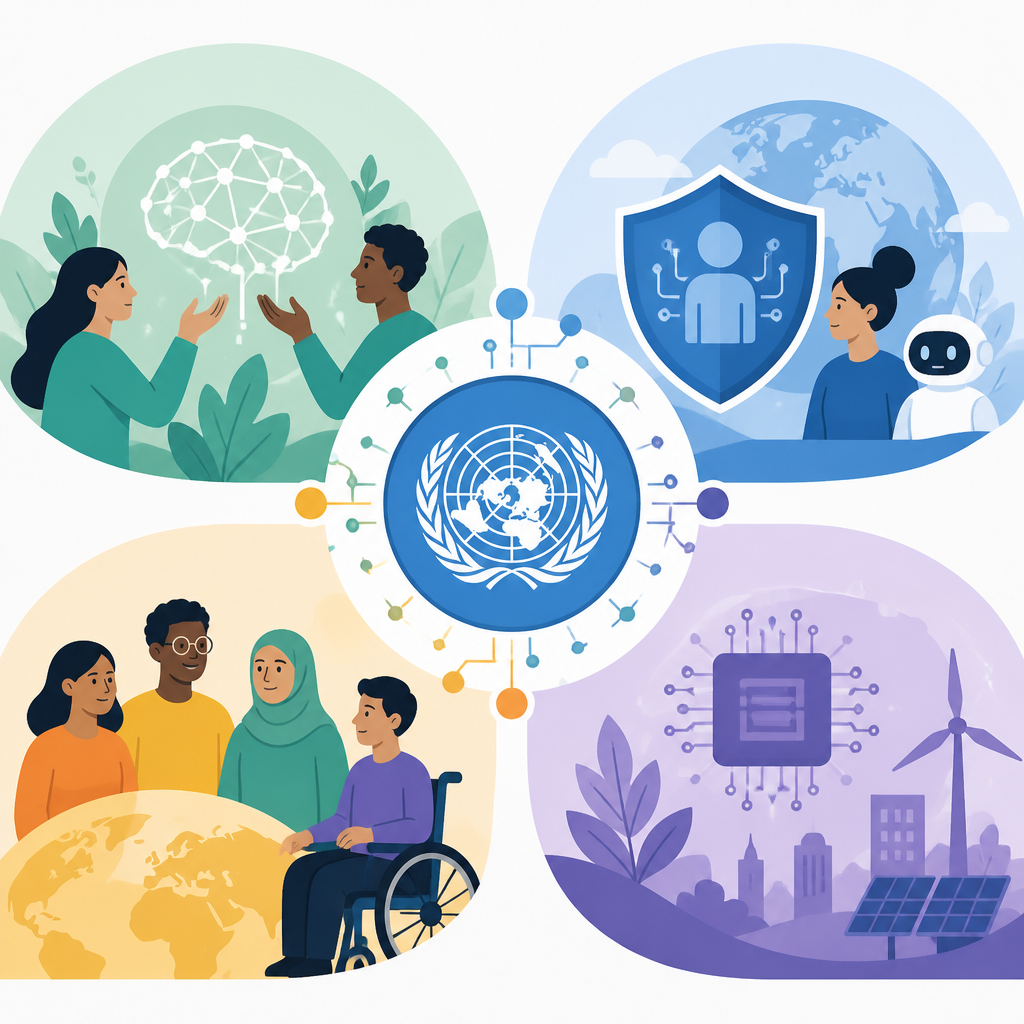
If you want the shortest path into the event’s framing, start here. The opening remarks help explain why the program connects AI, digital cooperation, and sustainable development in one agenda.
- Use this session to hear the core policy framing first.
- Expect a broad overview before the technical panels begin.
- Good entry point for viewers who want context before details.
2. Open Source and Artificial Intelligence
This session is the most direct match for viewers tracking AI governance, model development, and open tooling. The UN summary says the day examines open source as a gateway to a sustainable AI future, which places transparency, access, and shared capacity near the center of the discussion.
For practitioners, the value is in the bridge between ideals and implementation. Rather than treating AI as a standalone product category, the session frames it as a system that depends on community code, shared infrastructure, and responsible deployment.
- Likely focus: open models, open tooling, and AI accountability.
- Useful for policy teams, researchers, and civic tech groups.
- Connects directly to the event’s goal of building AI capacity.
3. High-Level Discussion: Open Source for Digital Development
This panel widens the lens beyond AI and asks how open source supports digital development more broadly. The description points to practical public infrastructure work, especially where governments and institutions need systems that can be adapted, shared, and maintained over time.
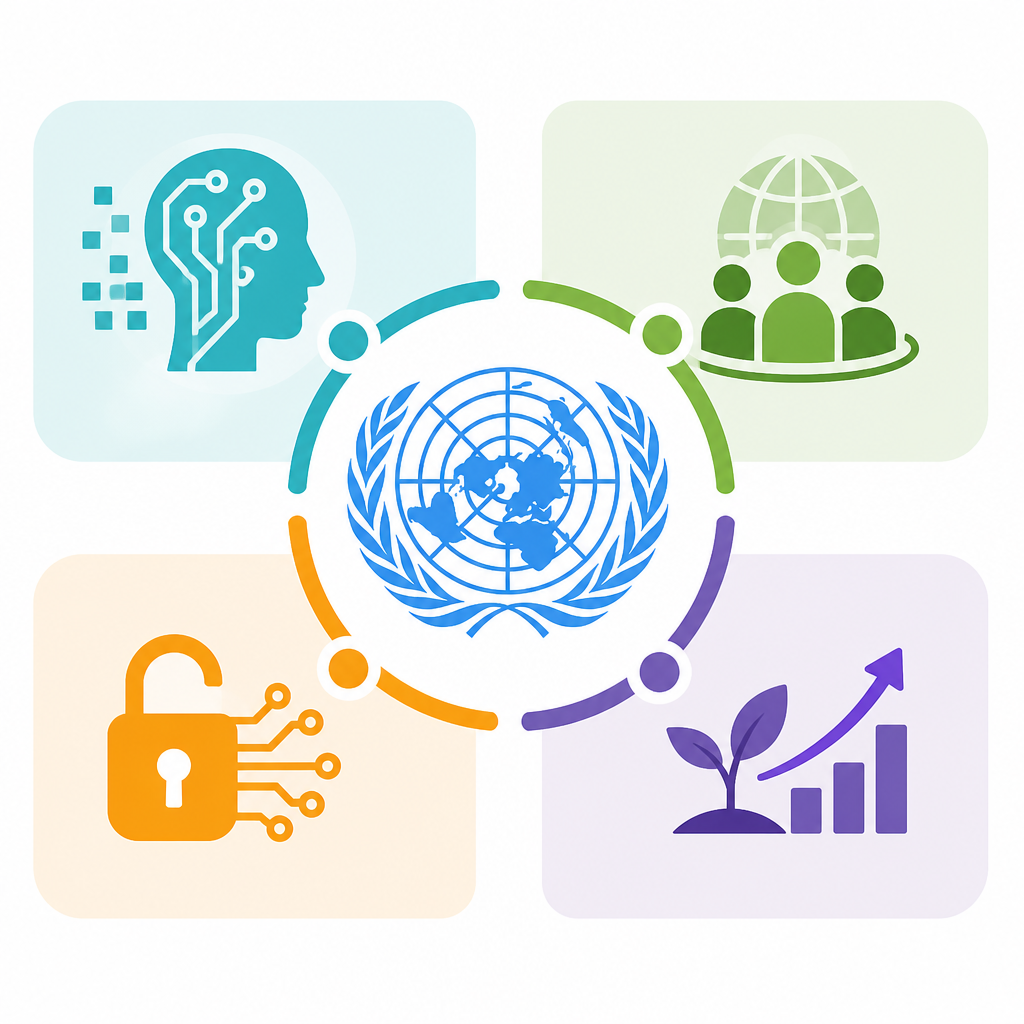
That makes this session especially relevant for readers interested in Digital Public Infrastructure, since the event explicitly names DPI as one of its main discussion areas. It is also where the UN’s policy language meets implementation concerns, including how public systems can be built with open, reusable components.
- Strong fit for public-sector digital teams.
- Likely to cover procurement, interoperability, and reuse.
- Best session for understanding open source as civic infrastructure.
4. Open Source and Emerging Technologies
This session broadens the conversation to new technical areas such as open hardware and open robots. That matters because the event is not limited to software policy, it also asks how openness can shape the next wave of physical and AI-enabled systems.
The summary says the day aims to bridge digital divides and promote responsible AI development, so this session likely explores how emerging tools can be made more accessible and more accountable. For readers watching the future of open ecosystems, this is where the event’s horizon becomes visible.
- Relevant to hardware communities and robotics teams.
- Good for anyone tracking open systems beyond code.
- Highlights capacity building as a practical outcome.
5. Community-led panels, workshops, and hackathons
The event is not built around speeches alone. The description emphasizes panels, workshops, hackathons, and community-led events, which means the program is designed to move from discussion into working sessions and shared problem solving.
That structure matters for readers looking for action. It suggests the week is meant to produce usable ideas, new partnerships, and concrete next steps for Member States, UN agencies, private sector groups, civil society, and technical communities.
- Best for attendees who want hands-on collaboration.
- Signals a mix of policy, technical, and community formats.
- Helpful for networking across public and private sectors.
How to decide
If you want the broadest policy frame, start with the opening keynotes. If your focus is AI governance or responsible model development, choose the AI session. If your work is closer to public digital systems, the digital development panel is the better fit.
For readers tracking the next wave of open systems, the emerging technologies session and the community workshops are the most useful. Together, the four parts show how UN Open Source Week 2026 tries to turn open source from a technical preference into a shared strategy for digital cooperation.
// Related Articles