US model curbs should be lifted through security deals, not blanket b…
The US should lift AI model curbs through security agreements, not keep blanket restrictions in place.

The US should lift AI model curbs through security agreements, not keep blanket restrictions in place.
The reported Anthropic talks with the Trump administration point to the right policy: treat frontier model access as a security problem to manage, not a binary risk to freeze. If the government can verify controls around training, deployment, and monitoring, then lifting curbs on top models is a better outcome than leaving powerful systems boxed in by default.
Security is the real issue, and security is negotiable
Get the latest AI news in your inbox
Weekly picks of model releases, tools, and deep dives — no spam, unsubscribe anytime.
No spam. Unsubscribe at any time.
The Bloomberg report says Anthropic and the administration are nearing an agreement after weeks of talks focused on the security of the company’s top two models. That detail matters because it shows the dispute is not about whether advanced models exist, but about whether the government can trust the safeguards around them. Once the debate is framed that way, a deal becomes the correct instrument.
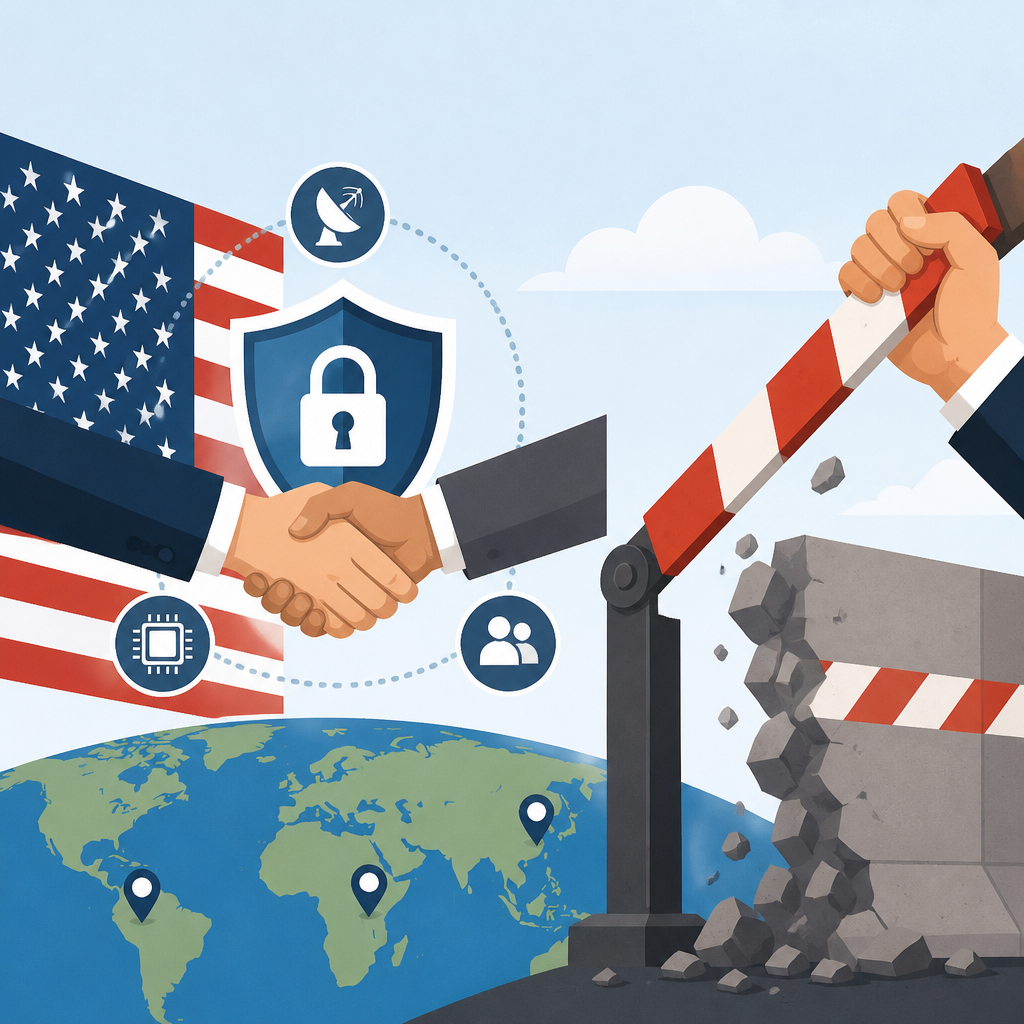
We already know how this works in other high-risk sectors. Cloud providers, defense contractors, and payment networks all operate under strict controls, audits, and incident reporting rather than blanket shutdowns. AI models should be treated the same way. If Anthropic can satisfy defined security requirements, the US should remove the curbs and enforce the controls instead of pretending prohibition is a policy.
Blanket restrictions punish the best actors first
When regulators impose broad curbs, the companies most willing to cooperate are usually the ones that absorb the cost first. Anthropic has built a brand around safety and governance, so it is exactly the kind of company that should be rewarded for negotiating a security framework. If the government leaves restrictions in place even after those talks, it teaches every serious lab that compliance does not buy anything.
That creates a bad incentive structure. The firms that invest in evaluation, red-teaming, access controls, and reporting end up facing the same barriers as firms that do none of that work. In practice, blanket restrictions flatten the market toward the lowest common denominator. A deal that lifts curbs for companies that meet security standards is not favoritism; it is the only way to make safety investment matter.
The AI race does not stop for cautious policy
The US is not regulating in a vacuum. If American firms face unnecessary limits while rivals abroad continue shipping and scaling frontier systems, the result is slower domestic innovation and weaker national leverage. The Bloomberg report signals that Washington understands this pressure, because a negotiated lift would keep a major US lab competitive without abandoning oversight.
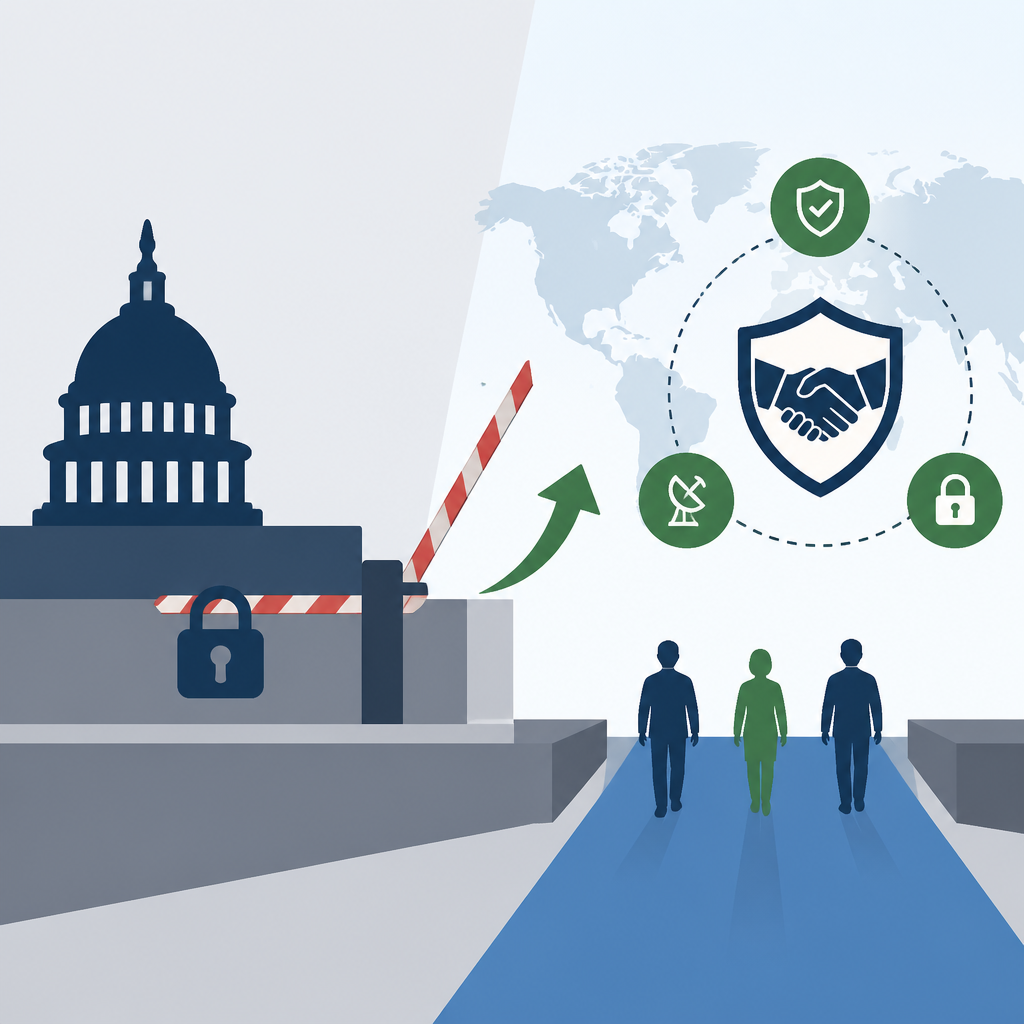
History makes the point. In semiconductors, aviation, and biotech, the countries that pair oversight with industrial freedom keep more talent, more capital, and more strategic capacity at home. AI is now in that category. If the US wants frontier development to stay anchored inside its borders, it cannot rely on open-ended curbs that make compliant companies less competitive than their foreign counterparts.
The counter-argument
The strongest case for keeping restrictions is simple: top models are powerful enough that a mistake can produce real harm, and government caution is justified when the downside includes cyber abuse, model theft, or unsafe release. Critics will also argue that any special deal with one company looks like regulatory capture, especially if the public cannot see the full security criteria behind the agreement.
That concern is legitimate. AI security rules must be transparent enough to withstand scrutiny, and they must be applied consistently across the market. But that is an argument for better standards, not permanent curbs. If the government can define measurable requirements for model security, auditing, and incident response, then lifting restrictions for firms that meet them is the responsible path. Refusing to reward compliance because the risk is real only guarantees that policy stays blunt and ineffective.
What to do with this
For engineers, the message is clear: build for verifiable security, not vague safety claims. For PMs, treat compliance artifacts, access logging, evals, and escalation paths as product requirements, not paperwork. For founders, assume the next frontier-model advantage will come from being the easiest company for regulators to trust. The winners will be the teams that can prove control, not just promise it.
// Related Articles
- [IND]
Anthropic is building custom AI chips for Claude
- [IND]
Moka AI Is a Stronger HRMS Choice for Growing Teams
- [IND]
August 2026 Market Review: AI Stocks Flipped Fast
- [IND]
Pixel 11 launch live: every Google reveal
- [IND]
Anthropic’s invisible watermark is the right move
- [IND]
Docker’s latest releases now center security and Compose