Qodo 2.8 adds multi-repo AI code review beta
Qodo 2.8 adds beta multi-repository AI code review, a rules miner, and a portal for managing coding skills across teams.

Qodo 2.8 adds beta AI code review across multiple repositories.
Qodo this week expanded its code quality and governance platform with beta support for an AI agent that reviews changes across multiple repositories. The June 25, 2026 update also adds a custom rules miner and a portal for managing AI skills tied to code review, standards, and best practices.
| 項目 | 數值 |
|---|---|
| Platform version | 2.8 |
| Announcement date | June 25, 2026 |
| Deployment status | Beta |
| Scope | Multiple repositories |
What changed
Get the latest AI news in your inbox
Weekly picks of model releases, tools, and deep dives — no spam, unsubscribe anytime.
No spam. Unsubscribe at any time.
Qodo says version 2.8 extends its agentic AI platform with graph-based code analysis that tracks relationships between code objects. When a pull request changes a shared dependency, the agent checks affected repositories and flags possible breakage before merge.
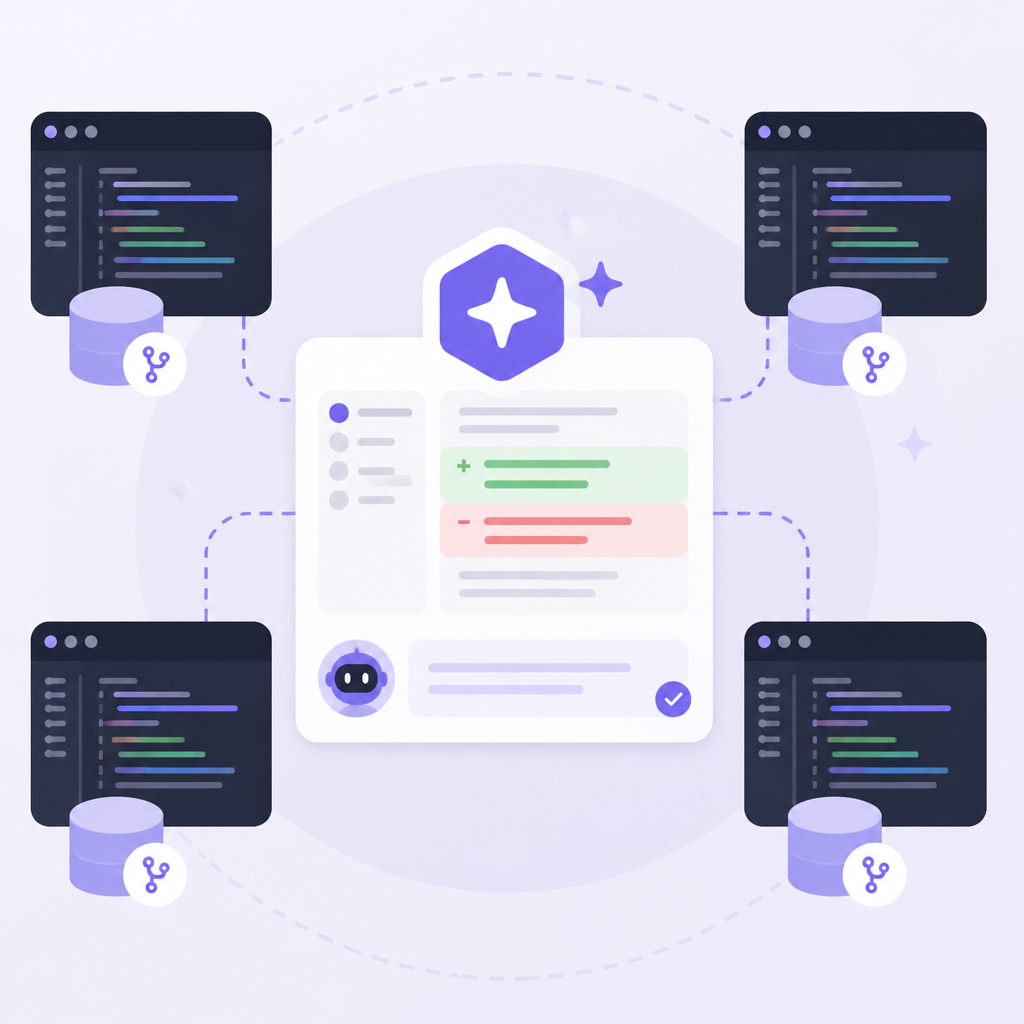
The update adds three main capabilities:
- A beta code review agent that spans multiple repositories
- A custom rules miner that learns patterns from codebase behavior and pull request history
- A portal for discovering and managing AI skills, including review instructions and engineering standards
The platform is designed to surface issues such as function signature violations, API contract breaks, schema changes, and infrastructure drift. Qodo CEO Itamar Friedman said the goal is to focus human and AI review effort on changes most likely to cause problems, rather than checking every line manually.
Why it matters
For DevOps teams, the biggest pressure point in AI-assisted development is no longer writing code but reviewing it. As code volume rises, Qodo is betting that AI agents will need to do more of the first-pass review work, especially for microservice systems where a small change can ripple across services.
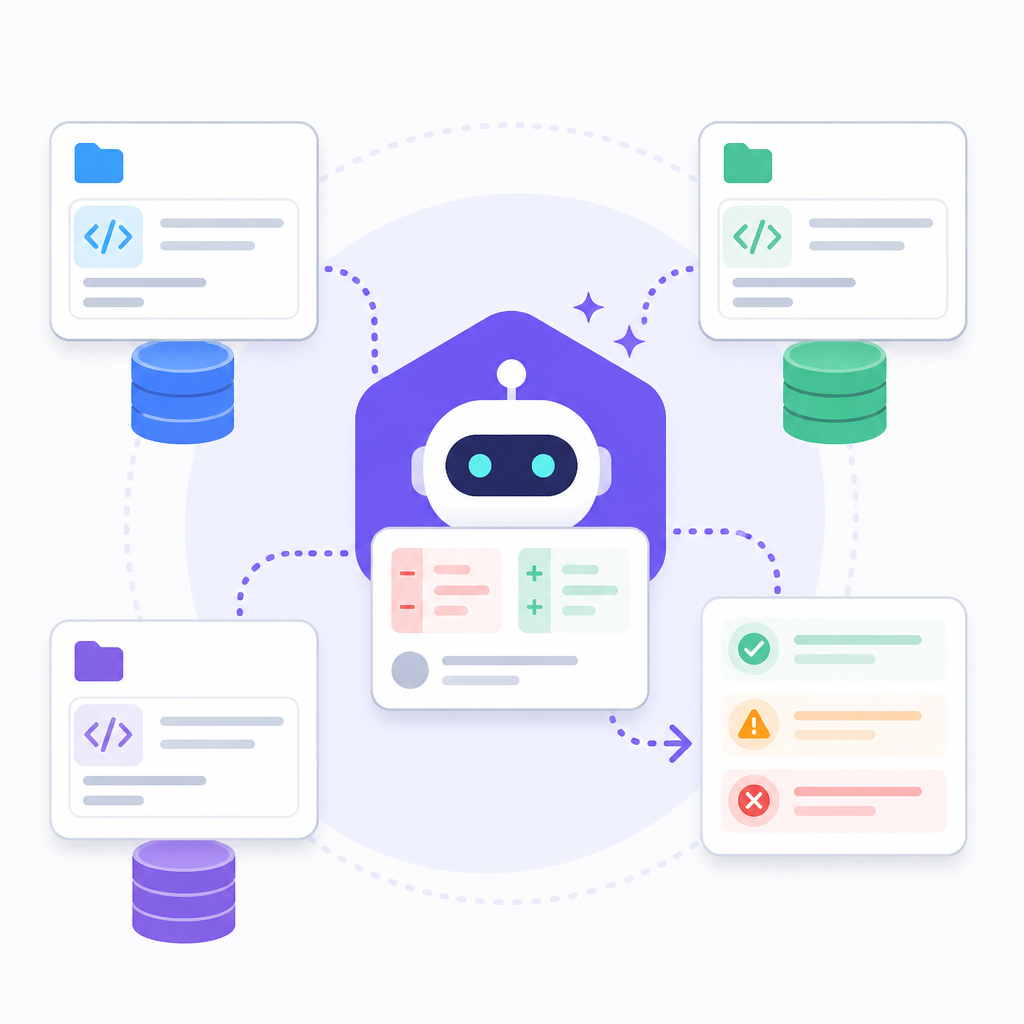
The market issue is trust. Qodo’s pitch is that code-review agents should not only inspect AI-generated code, but also be governed by separate rules and workflows so they do not simply validate output from the same model that created it. That matters for teams trying to ship faster without widening review risk.
The broader takeaway is that code review is becoming a control plane problem: teams need tools that can map dependencies, enforce standards, and show where AI can safely reduce review load.
// Related Articles
- [TOOLS]
10 AI GitHub repos that actually save time
- [TOOLS]
Anthropic's Fable leak turns CTF chaos into a warning
- [TOOLS]
VDBBench adds cost to vector DB comparisons
- [TOOLS]
Zilliz Adds Cost Metrics to VDBBench
- [TOOLS]
Pixel 11 launch highlights and new Gemini features
- [TOOLS]
AWS Continuum turns AI coding into safer fixes