AI agents are changing work in five clear ways
5 ways AI agents are changing work, from longer task chains to broader productivity gains across roles, based on OpenAI research.

AI agents are expanding the length and complexity of tasks people can complete at work.
A new OpenAI research paper says agents are already changing how work gets done, with 5 patterns that show where they help most and what that means for teams.
1. Longer task chains
Get the latest AI news in your inbox
Weekly picks of model releases, tools, and deep dives — no spam, unsubscribe anytime.
No spam. Unsubscribe at any time.
Agents are most useful when work is not a single prompt but a sequence of steps. The paper points to tasks that require planning, checking, revising, and moving between tools, where an agent can keep going without needing a human at every turn.
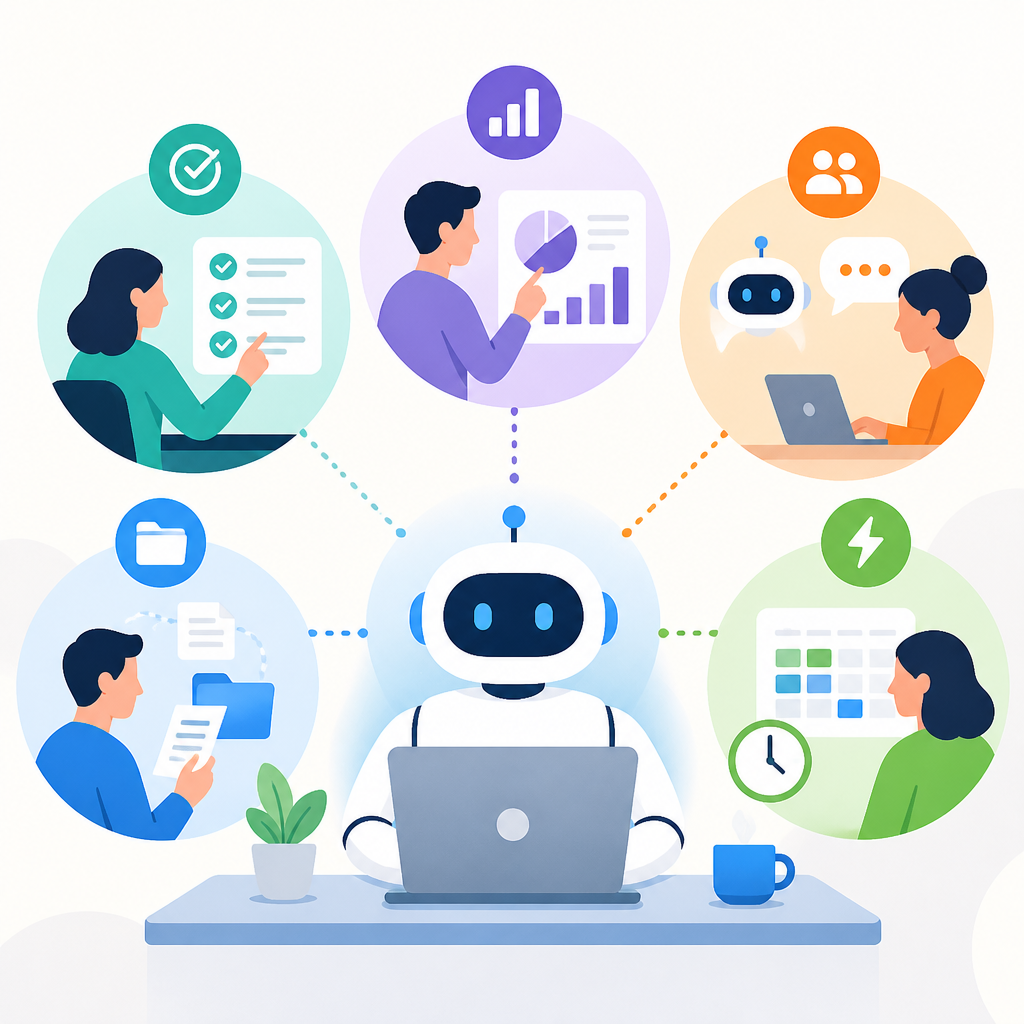
That matters because many jobs are made of small handoffs. When an agent can carry a task farther, people spend less time on coordination and more time on judgment.
- Drafting a document, then revising it after feedback
- Pulling information from multiple sources before summarizing it
- Following a workflow that includes search, analysis, and output
2. More complex work, not just faster simple work
The paper argues that agents are moving beyond quick answers and into work that needs more context. Instead of only helping with isolated tasks, they can support jobs that involve decisions across several steps and inputs.
This is the key shift: agents are not only saving time on routine tasks, they are making it practical to automate parts of work that were harder to delegate before.
- Research tasks with many sources
- Customer support cases with multiple turns
- Operations work that depends on checking details before acting
3. Productivity gains across roles
OpenAI's research suggests the impact is not limited to one department. Agents can raise output in different kinds of roles, including knowledge work, support, and internal operations, because they adapt to the shape of the task rather than a single job title.
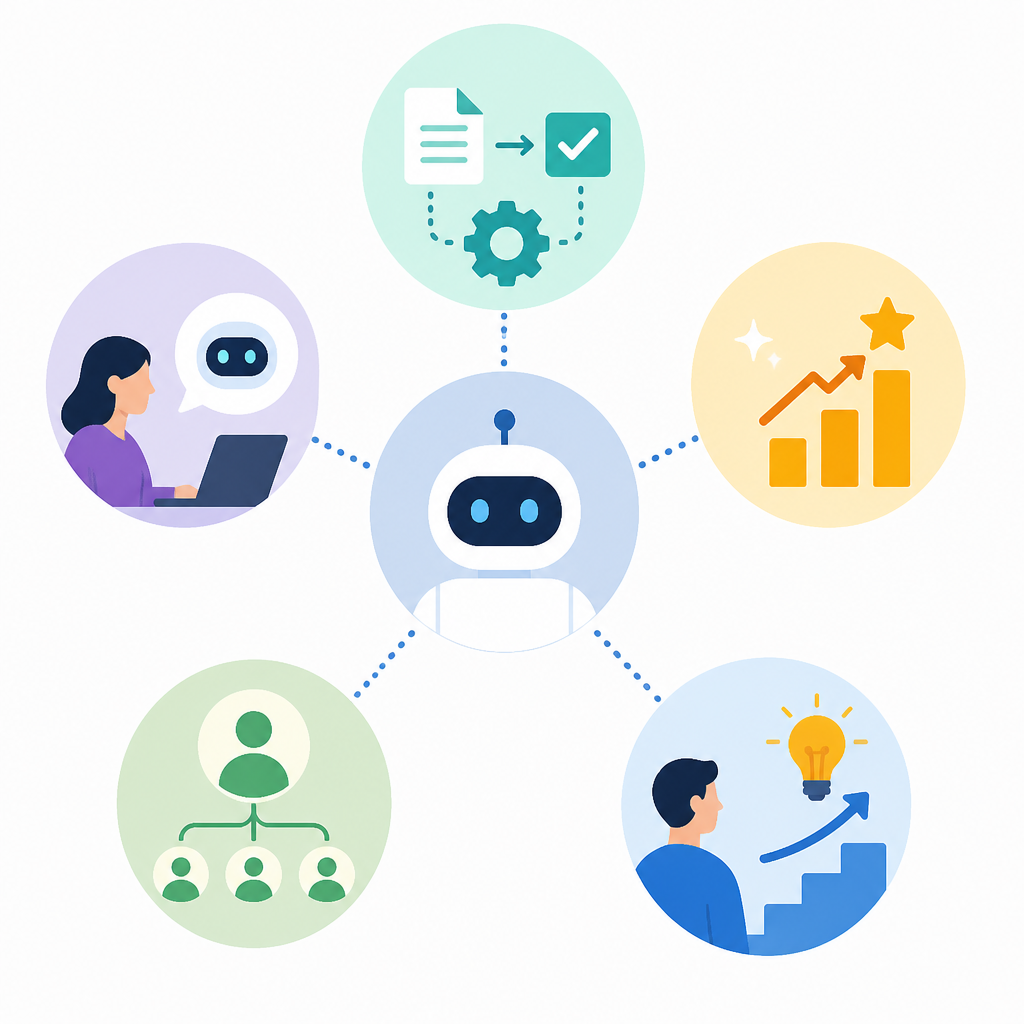
That broad fit is important for organizations deciding where to start. A tool that helps only one team is useful; a tool that improves many workflows can change planning, staffing, and training.
- Teams that write, review, or summarize information
- Teams that answer questions or triage requests
- Teams that manage repeatable internal workflows
4. Less time spent on handoffs
One practical benefit of agents is that they can reduce the number of times work needs to be passed back and forth. The paper's framing implies that agents can hold context longer, which helps when a task would otherwise stall between people or systems.
For managers, that means fewer bottlenecks. For workers, it means less time re-explaining the same task and more time on the part that needs human judgment.
- Keeping context across multiple steps
- Continuing work after a pause
- Reducing repetitive status updates
5. A new way to think about AI deployment
The paper treats agents as a shift in how companies should use AI. Instead of asking only what a model can answer, teams can ask what workflow it can own, where it can continue work, and where a person should step in.
That changes implementation from a chat interface problem to a process design problem. The best results come when teams map the workflow first, then place the agent where it can complete the most valuable steps.
Workflow questions to ask before rollout:
- Which steps are repetitive?
- Where does context get lost?
- What decisions still need a person?
- Which tasks benefit from longer continuity?
How to decide
If you want quick wins, start with tasks that have clear steps, repeated context, and a visible output. If your team handles complex work with lots of handoffs, agents may matter even more because they can keep moving where a simple assistant would stop.
For leaders, the main takeaway is simple: the best use of agents is not just faster answers, but longer work completed with less friction and more room for human review.
// Related Articles
- [IND]
OpenAI’s Astra pause shows safety now shapes model releases
- [IND]
Anthropic is building custom AI chips for Claude
- [IND]
Moka AI Is a Stronger HRMS Choice for Growing Teams
- [IND]
August 2026 Market Review: AI Stocks Flipped Fast
- [IND]
Pixel 11 launch live: every Google reveal
- [IND]
Anthropic’s invisible watermark is the right move