AI Data Operations vs MLOps: what each owns
AI Data Operations handles the data pipeline; MLOps handles model training and deployment. The split matters when production AI starts failing.

AI Data Operations manages the data an AI model learns from, while MLOps runs the model in production.
By udit khanna on June 29, 2026, Digital Divide Data argues that AI Data Operations is the missing layer in many production AI stacks. The post says the discipline covers collection, annotation, curation, human feedback, and evaluation sets, while MLOps covers training, deployment, monitoring, and retraining.
| 項目 | 數值 |
|---|---|
| Publication date | June 29, 2026 |
| AI Data Operations scope | Collection, annotation, curation, human feedback, evaluation sets |
| MLOps scope | Training, deployment, monitoring, retraining |
| Main failure mode | Upstream data drift or label drift |
What changed
Get the latest AI news in your inbox
Weekly picks of model releases, tools, and deep dives — no spam, unsubscribe anytime.
No spam. Unsubscribe at any time.
The article draws a hard line between the two functions. AI Data Operations owns the data assets a model learns from and is tested against, while MLOps owns the model lifecycle after those assets exist.
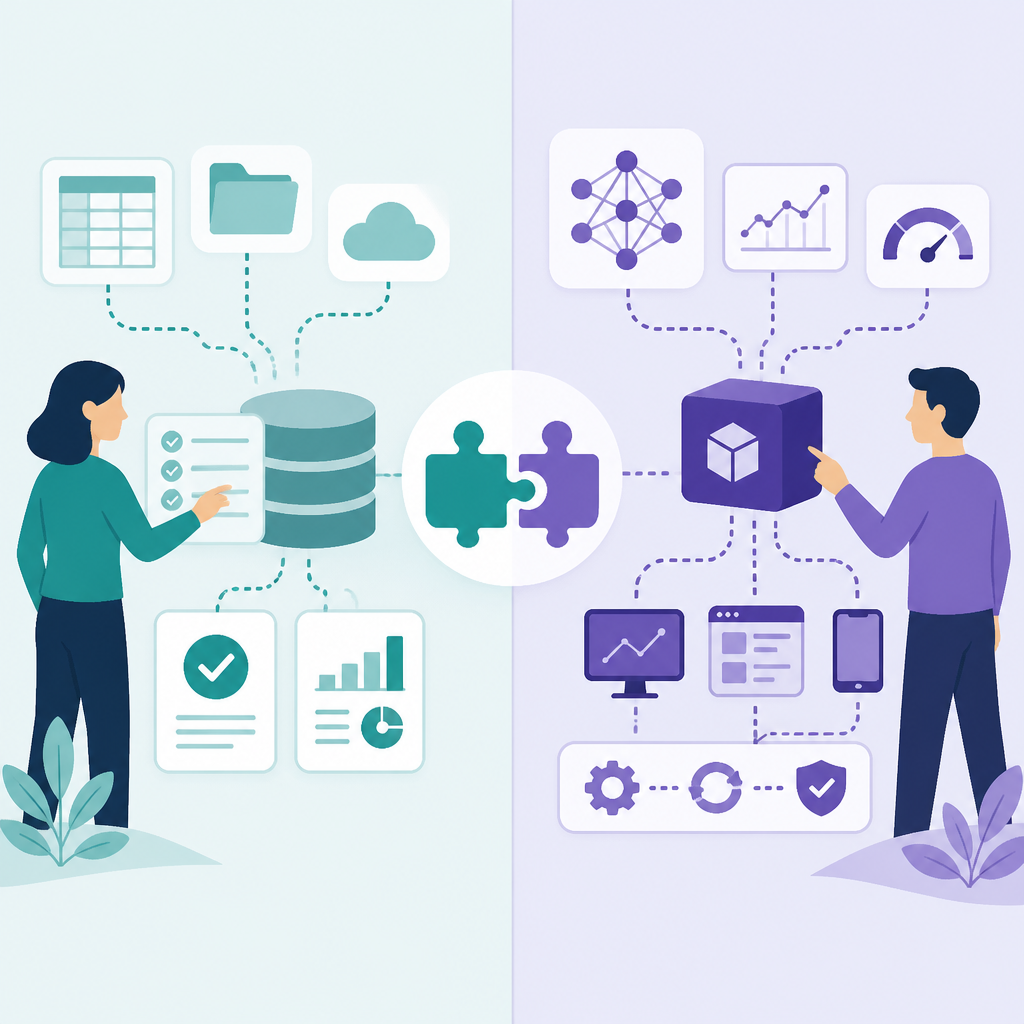
That split matters because the same team often gets both jobs in smaller AI programs, which hides the source of failures. When a model behaves oddly in production, the problem is often not the code. It is a label definition that drifted, a curation process that changed, or a pipeline that dropped a field.
- AI Data Operations includes data collection, annotation, curation, human feedback, and evaluation sets.
- MLOps covers training, launch, monitoring, and retraining.
- AI Data Operations is judged by data quality and agreement between annotators.
- MLOps is judged by reproducibility, traceability, and production behavior.
The post also places AI Data Operations closer to data-centric AI than to classic DataOps. Classic DataOps supports dashboards and reports; AI Data Operations supports training and evaluation data that directly changes model output.
Why it matters
For developers, the message is simple: a model can pass offline tests and still fail live if the underlying data is stale, unclear, or inconsistent. That makes data work a production concern, not a prep task.
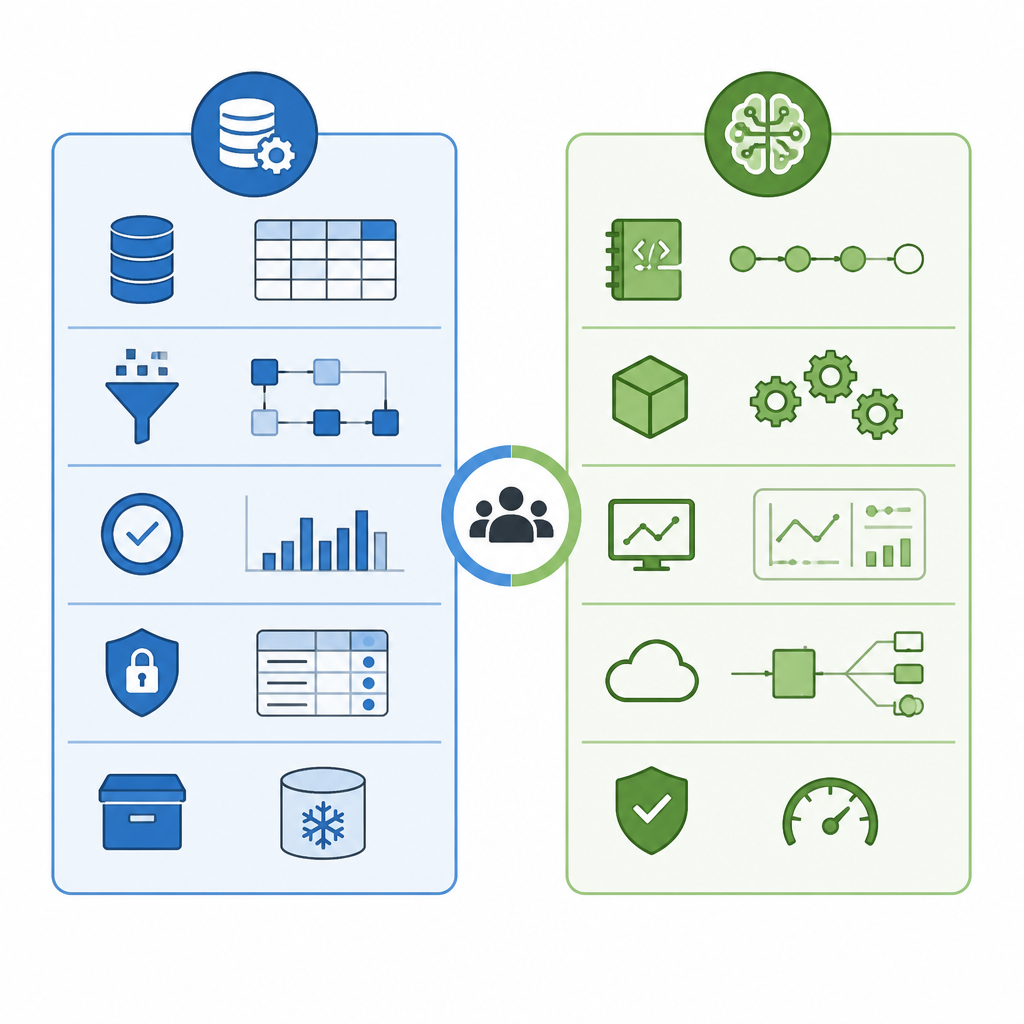
The article says the handoff between data and model teams is where many AI programs lose time. Clear ownership, tighter labeling rules, and dataset versioning reduce the cost of debugging later and make incidents easier to trace.
It also argues that data engineering is becoming a core AI skill as models get easier to swap. The differentiator shifts to the quality of the data pipeline and the discipline around it.
The real question for teams is not whether to adopt MLOps, but whether they have a separate owner for the data that feeds it.
// Related Articles