Anthropic's IPO rumor turns into a market watch
I break down the Anthropic IPO rumor into a copy-ready watchlist for reading AI-market moves without the noise.

Anthropic’s IPO rumor becomes a clean watchlist for reading AI-market moves.
I’ve been tracking AI-company chatter for a while, and this one felt familiar in the annoying way. The headline is simple: Anthropic is allegedly pushing toward an IPO, with bankers already lining up management meetings and a possible October window. But when I read it, I didn’t see a neat market signal. I saw the usual pile of half-formed expectations, people pretending a filing rumor is the same thing as a listing, and everyone trying to jump three steps ahead. That’s the part that bothers me. In developer and product circles, we do this all the time: one source says “IPO,” and suddenly people are building narratives about valuation, competition, and who gets left behind. I wanted a better way to read the thing without getting dragged around by the headline.
The source that triggered this breakdown is a Zhihu post that repeats a Bloomberg report: Anthropic is reportedly preparing for an IPO, with banks arranging meetings and a possible October debut. I’m not treating that as confirmed fact. I’m treating it as a market rumor worth decomposing, because that’s how you avoid getting lazy with big-company narratives. The useful part here is not “Anthropic will list.” The useful part is how to read what a rumor like this actually changes for builders, investors, and anyone watching AI infrastructure moves.
Stop treating an IPO rumor like a finished event
Get the latest AI news in your inbox
Weekly picks of model releases, tools, and deep dives — no spam, unsubscribe anytime.
No spam. Unsubscribe at any time.
Anthropic 正推进首次公开募股(IPO)计划,承销银行已开始安排公司管理层与潜在投资者会面,最快有望于今年10月完成上市。
What this actually means is: someone with access to the process says the company is moving through early public-market prep. That is not the same as a filed S-1, a confirmed pricing range, or a scheduled listing date. It’s a signal of intent, not completion.

I’ve seen people wreck their own analysis by collapsing those stages into one blob. They hear “IPO” and instantly start pricing the company, comparing it to OpenAI, and drawing conclusions about the entire AI sector. That’s sloppy. If I’m being blunt, most of the time the market is not reacting to reality here. It’s reacting to the possibility of reality.
How to apply it: split every IPO rumor into stages. I use four buckets:
- Rumor: a report, anonymous source, or secondary repost.
- Preparation: banker meetings, investor outreach, internal cleanup.
- Filing: actual documents and regulatory visibility.
- Execution: pricing, listing, first-day trading.
Once I do that, the story gets smaller and more useful. Instead of asking “Will Anthropic go public?” I ask “Which stage is this really in?” That keeps me from overreacting to a headline that may be one or two steps ahead of the facts.
Why bankers matter more than the headline
Bankers arranging meetings is the detail I care about most here. Not because it sounds dramatic. Because it tells me the company is doing the boring work that public-market access requires. If the report is accurate, Anthropic isn’t just floating an idea. It’s testing demand, shaping the story, and learning what investors will tolerate.
That matters because IPOs are not just financial events. They are narrative events. A company needs a story that can survive scrutiny from public investors, and bankers are the people pressure-testing that story before the filing ever becomes visible.
I ran into this pattern when I watched private AI companies try to answer the same questions over and over: growth, margins, compute spend, customer concentration, and whether the model business is actually defensible. The meeting tour is where those questions get rehearsed. If the answers are weak, the public offering gets delayed, reshaped, or quietly shelved.
How to apply it: when you see “bankers are meeting investors,” translate that into three questions:
- What story is the company trying to sell?
- What objections will public investors immediately raise?
- What metrics will the company need to show before filing?
This is the part people skip because it’s less shiny than the ticker-symbol fantasy. But it’s the part that actually tells you whether the company is ready.
Why Anthropic and OpenAI get compared even when they shouldn’t
The report framing invites the obvious comparison: if Anthropic lists first, does that pressure OpenAI? Maybe. But I think people overdo this comparison because both companies sit in the same mental bucket: frontier AI, massive capital needs, and lots of press coverage. That doesn’t mean their paths to market are interchangeable.
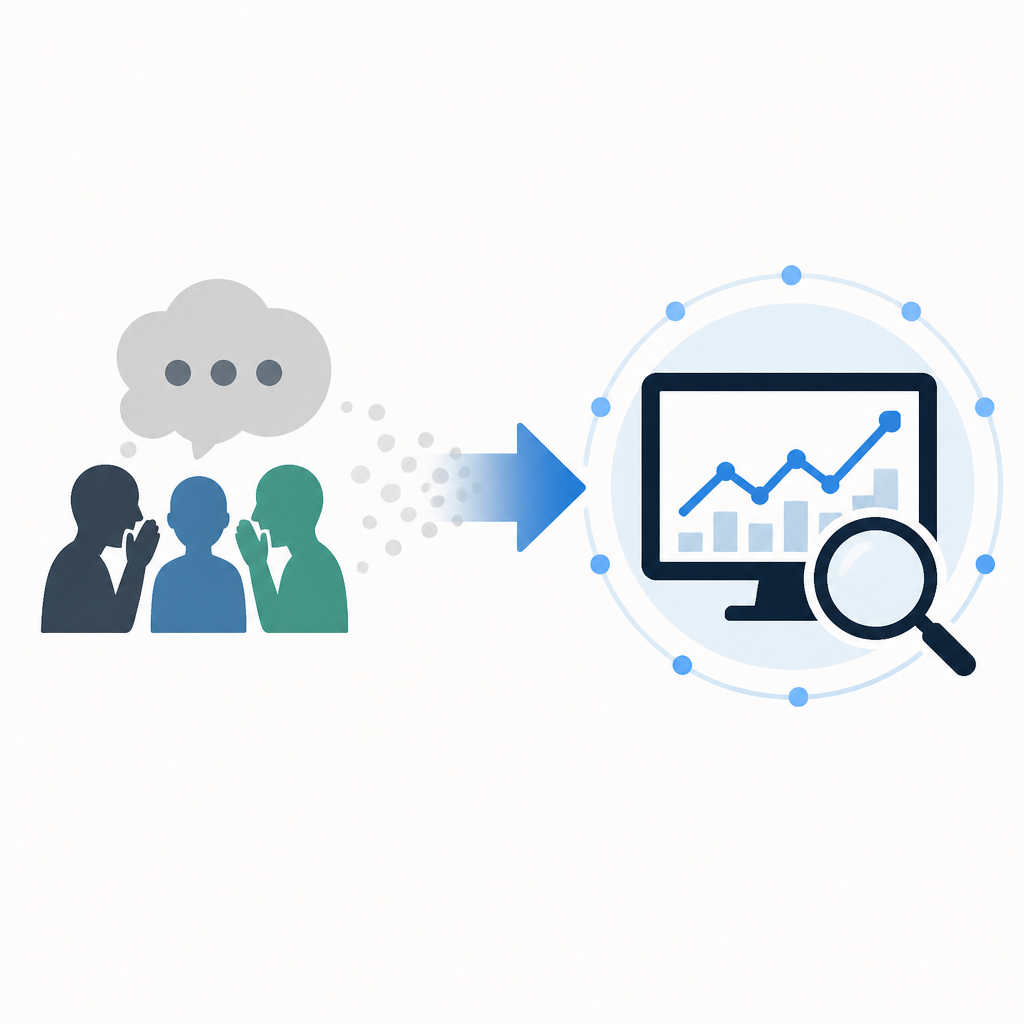
Anthropic’s business mix, governance choices, and investor base shape a different public-market story than OpenAI’s. And honestly, that difference is exactly why a listing rumor gets so much attention. Public investors want a clean way to compare the two, but the companies are still messy, evolving, and not equally transparent.
I’ve had to make this distinction in product planning too. Two tools can solve the same broad problem and still have totally different economics. One is enterprise-first, one is developer-first, one burns more cash, one ships faster. If I ignore those differences, I end up with fake certainty. Same thing here.
How to apply it: don’t compare the companies at the logo level. Compare them on the dimensions that matter to a public market:
- Revenue quality
- Compute intensity
- Customer concentration
- Governance and control structure
- Path to profitability, or at least a believable path to scale
If you can’t explain those differences in plain English, you’re not analyzing the rumor. You’re just repeating it.
What this says about AI market timing
If Anthropic is seriously preparing to go public, the timing tells me something broader about the AI market. Companies don’t rush toward public scrutiny unless they think the market can absorb the story. That doesn’t mean the story will be well received. It means they think the window is open enough to try.
For me, this is where the market angle gets interesting. Public listings force private valuations to justify themselves in daylight. They also give the rest of the sector a reference point. If one major AI company moves toward IPO prep, everyone else gets asked the same annoying questions: Are you next? Are you overvalued? Are you burning too much? Are you hiding behind private rounds?
That pressure spills into hiring, pricing, and partner conversations. I’ve watched it happen in smaller ecosystems too. One company goes public or starts prepping, and suddenly every competitor has to explain why they’re still private, or why they’re not.
How to apply it: if you’re reading this as a market signal, watch for three follow-on effects:
- More scrutiny on AI margins and inference costs
- More pressure on private AI valuations
- More investor questions about monetization, not just model quality
That’s the real story. Not “Anthropic IPO yes or no,” but “what gets re-priced if this becomes real?”
How I would read the rumor without fooling myself
I try to use a simple filter for stories like this. First, I separate source quality from headline excitement. Second, I ask whether the reported action is reversible. Third, I look for what would have to be true for the rumor to survive the next week.
For this one, the reversible part is obvious: prep meetings can happen and still lead nowhere. The rumor can be accurate and still not end in a listing. That’s why I don’t build a thesis on the IPO itself. I build a thesis on what preparation implies about internal confidence, investor appetite, and the state of the AI funding cycle.
I also keep a short list of things that should make me more skeptical:
- No filing, no confirmation, just repeated hearsay
- Overconfident date predictions with no public documents
- People mixing up “planning” with “approved”
How to apply it: when you read a market rumor, write down the weakest link in the chain. If the weakest link breaks, the whole story collapses. That’s a lot more useful than reacting to the loudest sentence in the article.
The template you can copy
# Market rumor readout template

## 1) What was reported
- Company:
- Event:
- Claimed timing:
- Source:
- Source URL:

## 2) What is confirmed vs rumored
- Confirmed facts:
- Reported by unnamed sources:
- Missing proof:

## 3) What stage is this really in?
- Rumor
- Preparation
- Filing
- Execution

## 4) Why it matters
- Market impact:
- Competitive impact:
- Builder/product impact:

## 5) What I should watch next
- Regulatory filing:
- Bank/lead underwriter confirmation:
- Investor meeting coverage:
- Management comments:

## 6) My working conclusion
- Short version:
- Confidence level:
- What would change my mind:

## Quick rules
- Do not treat preparation as completion.
- Do not price the company off a rumor.
- Do not compare public readiness without checking business model and governance.
- Do not repeat the headline without naming the source stage.
If I were using this on the Anthropic story, I’d fill it in like this: reported event is IPO prep, source is a Zhihu post citing Bloomberg, confirmed facts are limited, and the stage is preparation rather than execution. That’s the whole point. It turns a noisy headline into something I can actually reason about.
For reference, the original discussion is here: Zhihu. The report it points to is attributed to Bloomberg, and Anthropic’s own company site is anthropic.com. If you want to compare public-market mechanics, it also helps to read the SEC’s IPO materials at sec.gov. My breakdown here is my own interpretation of that source chain, not a confirmation that the IPO will happen on the timeline described.
// Related Articles
- [IND]
Anthropic should not become dependent on Meta for compute
- [IND]
Mistral's robotics model cuts indoor navigation costs
- [IND]
Mistral missile: France’s short-range air defense workhorse
- [IND]
Apple Reclaims No. 1 by Market Cap as AI Costs Spike
- [IND]
Kimi K3 could pressure the middle tier of AI models
- [IND]
AI Weekly: 2026-07-13 ~ 2026-07-20