Anthropic should not become dependent on Meta for compute
Anthropic’s talks with Meta show that compute access is now a strategic moat, not a back-office buy.

$10 billion talks show compute access is now a strategic moat, not a back-office buy.
Anthropic should not let Meta become a core source of its compute, because dependence on a rival platform turns infrastructure into leverage. CNBC reported that the companies were in very preliminary talks for a deal worth about $10 billion, and that is not just a procurement story. It is a reminder that the AI race is now shaped less by model quality alone than by who can secure enough chips, data-center capacity, and power at scale. Anthropic has already had to strike a similar arrangement with SpaceX’s Colossus 1 data center, which tells you the constraint is not theoretical. It is the operating condition.
Compute scarcity is now the real product constraint
Get the latest AI news in your inbox
Weekly picks of model releases, tools, and deep dives — no spam, unsubscribe anytime.
No spam. Unsubscribe at any time.
Anthropic’s usage limits on its most advanced models show the bottleneck plainly: demand exists, but capacity does not. When a leading model provider has to ration access, the issue is not marketing or demand generation. It is supply. In that context, leasing compute from outside partners is rational, and even necessary, because every lost inference slot is a lost customer interaction and every delayed training run slows product improvement.
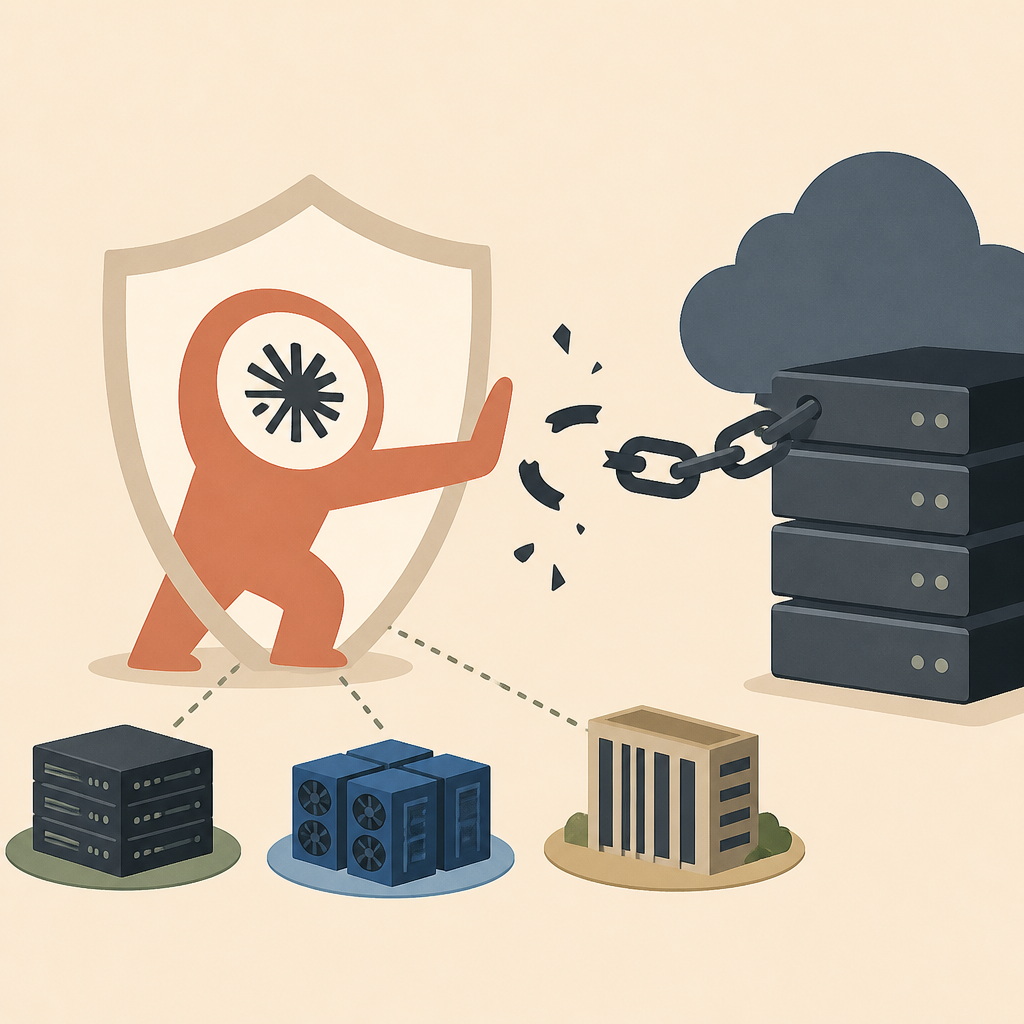
The broader market is making the same point. Meta said in May that it was considering entering the cloud computing business, and CNBC noted that Meta could spend as much as $145 billion on capital expenditures in 2026. That is not a side project. It is a declaration that infrastructure has become a profit center and a strategic weapon. Anthropic is right to chase capacity wherever it can find it, because the companies that control compute will set the pace of AI deployment.
But the wrong supplier can quietly become a strategic trap
Meta is not a neutral utility. It is a direct competitor with its own frontier-model ambitions, its own developer ecosystem, and its own incentives to shape the market around its platform. If Anthropic leans too hard on Meta, it risks giving a rival visibility into its growth curve, workload patterns, and expansion plans. Even if the deal is structured as a plain lease, the business relationship creates asymmetry. The buyer of compute becomes dependent on the seller’s willingness to expand, price, and prioritize capacity.
There is also a precedent problem. If Anthropic normalizes giant bilateral compute deals with platform giants, it trains the market to accept that access to AI infrastructure runs through a few gatekeepers. That narrows bargaining power for everyone else. For a company that has built part of its brand on safety, reliability, and independence, becoming structurally reliant on Meta undercuts the message. The danger is not only operational. It is reputational.
The counter-argument
The steelman case is strong: Anthropic needs compute now, and the best compute is wherever it can be secured fastest. Supply chains for advanced chips remain tight, data-center buildouts take time, and customer demand does not wait for perfect independence. If Meta can provide capacity quickly, Anthropic can serve more users, reduce rate limits, and keep pace with rivals that are also racing to lock in infrastructure. In that view, partnerships are not weakness. They are survival.
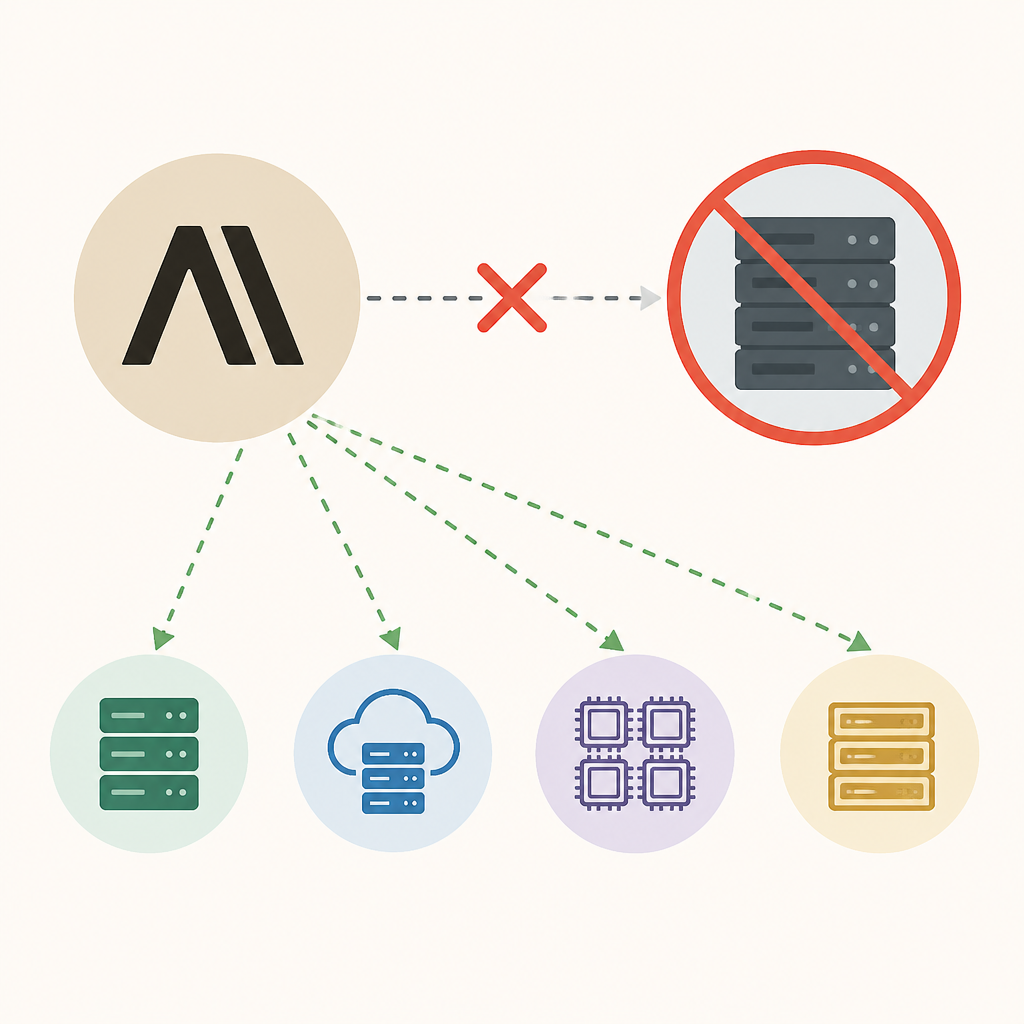
That argument is correct on the short-term need and wrong on the long-term structure. Anthropic should accept outside compute only as a bridge, not as a foundation. The company needs contractual exit options, diversified suppliers, and a hard cap on how much of its fleet any one competitor controls. Compute is too strategic to outsource blindly. If Anthropic trades scarcity for dependence, it wins a quarter and loses the decade.
What to do with this
If you are an engineer or product leader at an AI company, treat compute like a portfolio, not a vendor list. Split workloads across multiple providers, reserve internal capacity for training and critical inference, and negotiate contracts that preserve portability. If you are a founder, assume that every major infrastructure partner will eventually have its own AI agenda. Buy speed where you must, but never hand a rival the keys to your roadmap. Anthropic’s talks with Meta are a sign that compute is now the frontier. The right response is diversification, not dependence.
// Related Articles
- [IND]
Anthropic's IPO rumor turns into a market watch
- [IND]
Mistral's robotics model cuts indoor navigation costs
- [IND]
Mistral missile: France’s short-range air defense workhorse
- [IND]
Apple Reclaims No. 1 by Market Cap as AI Costs Spike
- [IND]
Kimi K3 could pressure the middle tier of AI models
- [IND]
AI Weekly: 2026-07-13 ~ 2026-07-20