Devin’s 2026 changelog shows an enterprise pivot, not a product sprint
Devin’s 2026 updates show a clear shift toward enterprise reliability, integrations, and team workflows.

2026 updates push Devin toward enterprise reliability, integrations, and team workflows.
Devin’s 2026 changelog is not a story about flashy features; it is a story about a product being reshaped for real engineering organizations.
First argument: the updates favor reliability over novelty
Get the latest AI news in your inbox
Weekly picks of model releases, tools, and deep dives — no spam, unsubscribe anytime.
No spam. Unsubscribe at any time.
The clearest signal in the 2026 notes is the emphasis on hardening. Cognition focused on task reliability, longer-running sessions, and more predictable execution, which matters more than a headline feature when an agent is expected to work inside a live codebase. A tool that fails less often is a tool teams can actually schedule around.

That direction fits the reality of agentic software. In demos, a model that impresses on one task is enough. In production, a model that can stay on task through a multi-step workflow without derailing is the difference between a toy and infrastructure. Devin’s changelog points at the second category, and that is the right move.
Second argument: the integrations show Devin is being built for team systems
The expansion of the Devin API, plus deeper ties to Linear, Jira, and Slack, is not cosmetic. Those systems are where engineering work already lives. When an agent can be controlled programmatically and can move through issue tracking and chat workflows, it stops being a separate destination and starts becoming part of the operating system of the team.
That matters because engineering teams do not manage work in a vacuum. They manage tickets, reviews, handoffs, and status updates. Devin’s 2026 updates suggest Cognition understands that the winning agent is not the one with the cleverest prompt interface, but the one that can sit inside existing process without forcing a rewrite of how people coordinate.
The counter-argument
The strongest objection is that these changes are not enough to justify the hype. Enterprise hardening is slow, invisible work, and integration with Jira or Slack does not prove that Devin can reliably replace or even meaningfully augment an engineer on complex tasks. A skeptic can reasonably argue that the changelog reads like maturity theater: a lot of positioning, not enough proof.
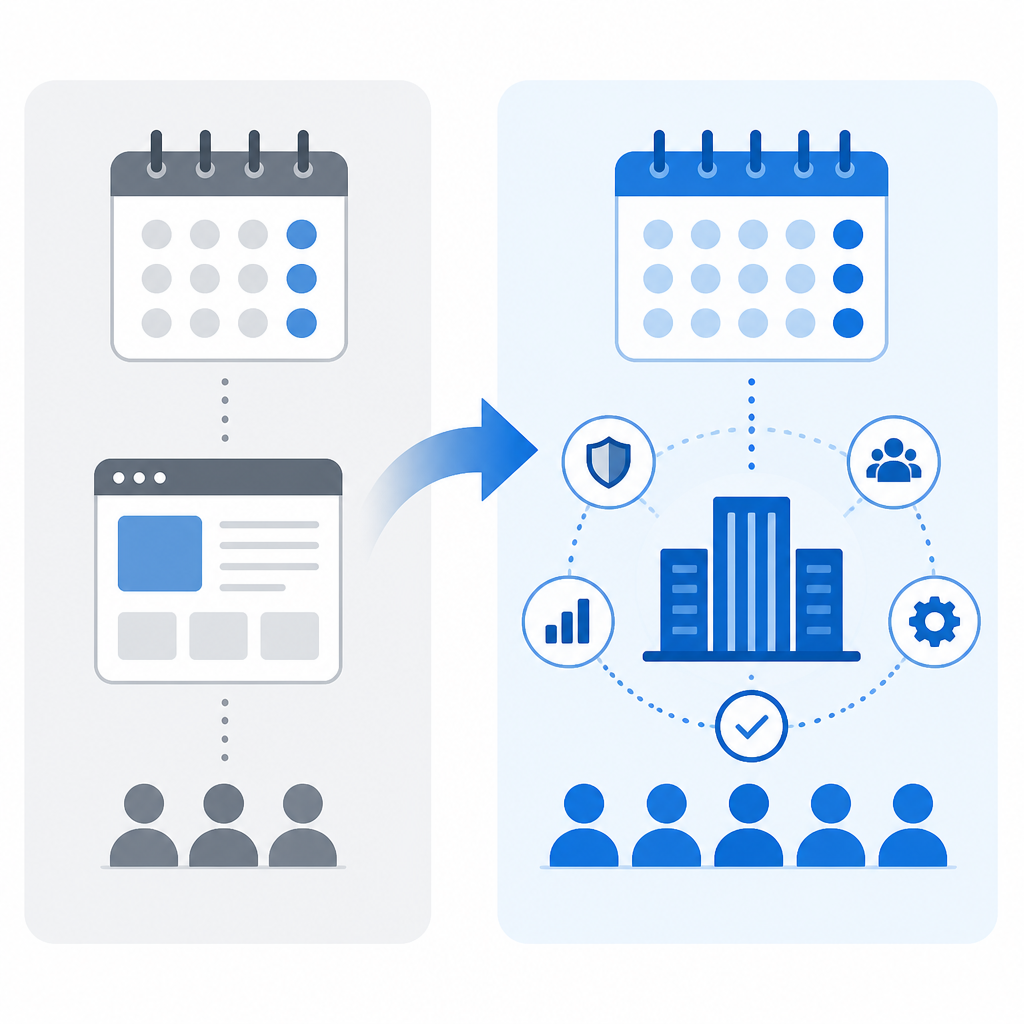
That critique lands on one important point: reliability claims need evidence from repeated use, not release notes. The changelog alone does not prove Devin’s output quality, and it does not prove cost efficiency. But it does prove product intent, and intent matters here. Cognition is not chasing novelty anymore; it is aligning Devin with the requirements that separate disposable agent demos from tools a company can deploy. That is a meaningful shift, even if the market still needs to validate execution.
What to do with this
If you are an engineer, PM, or founder evaluating Devin, treat the 2026 changelog as a signal to test workflow fit, not as proof of capability. Put it through a real issue-to-PR loop, measure handoff friction, check how it behaves under long tasks, and compare it against the coordination cost of doing the same work manually. The right question is not whether Devin looks smarter this year; it is whether it reduces the number of steps your team must manage to ship software.
// Related Articles
- [AGENT]
Claude cross-session messaging setup for teams
- [AGENT]
Claude Partner Network 2026 tiers and join steps
- [AGENT]
ChatGPT now remembers your Mac work history
- [AGENT]
Grok Bot turns browser chores into cloud work
- [AGENT]
Agent Plugins 1.0.0 turns skills into folders
- [AGENT]
FaithEyes lets you train tool-faithful vision agents