FET’s rally is a sector trade, not a conviction bet
FET’s price action is being driven by AI token rotation, not durable fundamentals.

FET’s price action is being driven by AI token rotation, not durable fundamentals.
FET is not being re-rated because the market suddenly discovered a stronger business; it is being lifted by a broad AI token bid that can reverse as fast as it formed. Coinbase’s own market page shows the token bouncing about 10% in 24 hours while still sitting roughly 94% below its all-time high, a gap that screams speculation, not a clean thesis reset.
AI sector momentum is doing the heavy lifting
Get the latest AI news in your inbox
Weekly picks of model releases, tools, and deep dives — no spam, unsubscribe anytime.
No spam. Unsubscribe at any time.
The clearest evidence is in the flow data. Coinbase says FET is seeing roughly 1.6 times more sellers than buyers, yet the token still advanced during the latest AI rally. That is not a sign of organic, company-specific demand. It is a sign that a rising sector tide is overpowering local distribution.

That distinction matters because momentum trades are crowded and fragile. When the same page says FET outpaced Ethereum ecosystem peers by roughly 25% over the past month, the market is telling you the trade is relative strength, not proof of durable adoption. Relative strength can persist, but it is a poor foundation for long-term conviction unless the underlying network economics are improving at the same pace.
Fundamentals are not matching the headline story
The project still has a real product narrative. Fetch.ai describes a decentralized machine learning network built around autonomous AI agents, smart contracts, and data-sharing use cases in DeFi, logistics, and energy. That is a credible category, and it explains why the token remains on traders’ screens. But a credible category is not the same as a monetized moat.
The market data on Coinbase makes that gap obvious. FET’s market cap sits around ¥75.08B with a fully diluted valuation near ¥90.39B, while 24-hour volume is ¥21.82B. Those are active-trading numbers, not proof of product-market fit. If a token’s valuation is being supported mainly by rotation and liquidity, then price can stay elevated for a while, but the asset remains dependent on sentiment rather than cash-flow-like fundamentals.
The counter-argument
The strongest case for FET is that AI is not a passing theme. Investors have been rewarding anything tied to machine learning, autonomous agents, and decentralized compute because the market expects AI infrastructure to become one of crypto’s defining narratives. On that view, FET does not need to justify every move with near-term usage growth. It only needs to remain one of the most recognizable names in the category.
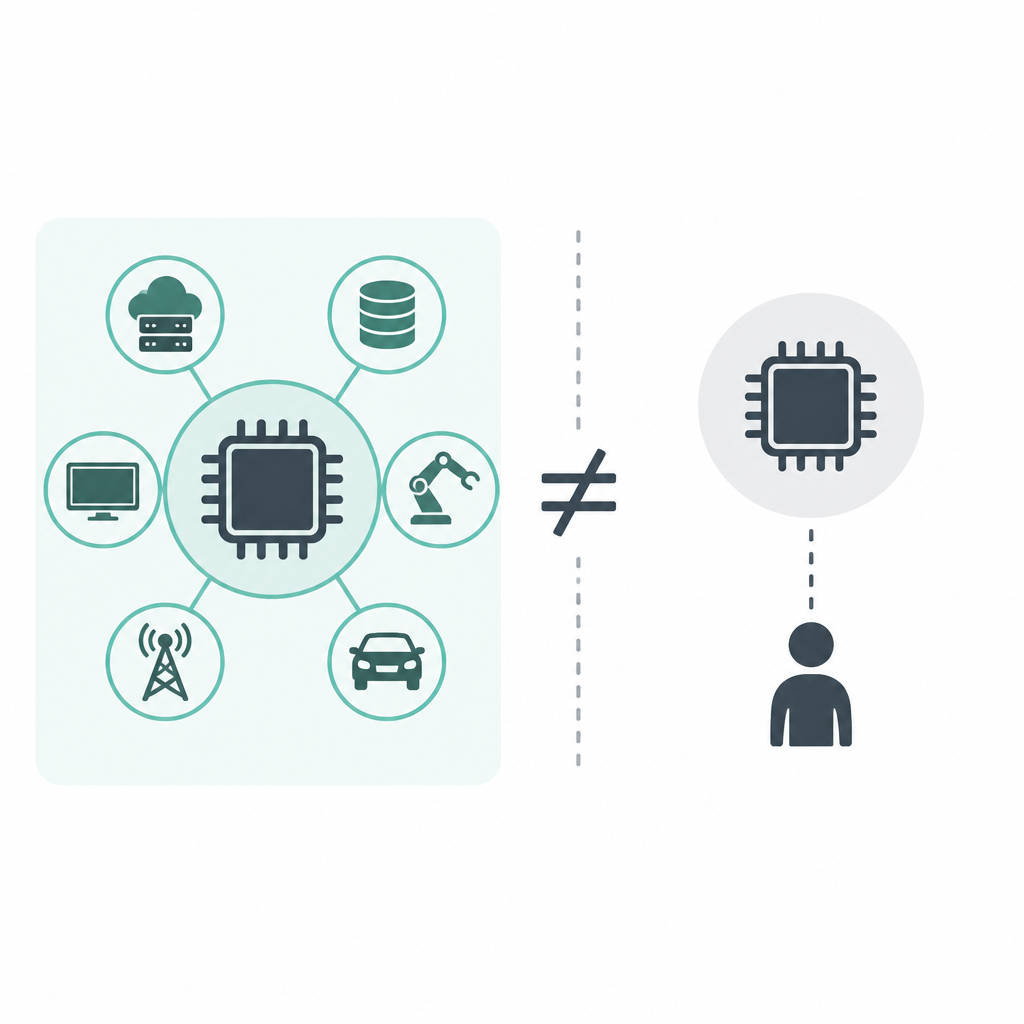
There is also a practical argument for traders: FET has liquidity, exchange access, and enough retail attention to keep attracting flows. Coinbase shows strong search interest, high trading activity, and a large social footprint. In a market where attention is capital, those inputs matter.
That argument is real, but it is still a trading argument, not an investing one. Attention and liquidity explain why FET can move violently; they do not explain why it deserves a premium through a full cycle. If the AI trade cools, the same traits that help FET rally will accelerate the unwind. I accept the limit that momentum can stay dominant for long stretches, but I reject the idea that momentum alone is a durable thesis.
What to do with this
If you are an engineer, PM, or founder, treat FET as a case study in narrative-driven markets: watch the sector, but do not confuse sector heat with product validation. Build for users, revenue, and retention first. If you are allocating capital, size FET like a high-beta AI proxy, not a core conviction asset, and assume the market will keep paying for the story only as long as the AI trade stays hot.
// Related Articles
- [IND]
OpenAI’s Astra pause shows safety now shapes model releases
- [IND]
Anthropic is building custom AI chips for Claude
- [IND]
Moka AI Is a Stronger HRMS Choice for Growing Teams
- [IND]
August 2026 Market Review: AI Stocks Flipped Fast
- [IND]
Pixel 11 launch live: every Google reveal
- [IND]
Anthropic’s invisible watermark is the right move