Getty Images puts licensed visuals inside ChatGPT
1 display deal puts Getty Images’ licensed libraries into ChatGPT search and discovery, adding rights-cleared visuals to AI results.

Getty Images is putting licensed visuals into ChatGPT search and discovery results.
Getty Images and OpenAI have struck a multi-year display agreement that brings licensed content into ChatGPT, with Getty saying it helps make visual answers richer and more trustworthy.
| Item | Deal type | What it adds |
|---|---|---|
| Getty Images | Display agreement | Licensed visual content in ChatGPT search and discovery |
| OpenAI | Platform partner | Visual display support inside ChatGPT experiences |
| Getty Images library | Rights-cleared content | Photos, video, and archive material for display |
1. A rights-cleared visual feed for ChatGPT
Get the latest AI news in your inbox
Weekly picks of model releases, tools, and deep dives — no spam, unsubscribe anytime.
No spam. Unsubscribe at any time.
The core of the deal is simple: Getty Images licensed libraries will appear in OpenAI search and discovery experiences inside ChatGPT. That means users can see sourced visuals alongside AI answers instead of relying on unverified images pulled from the open web.
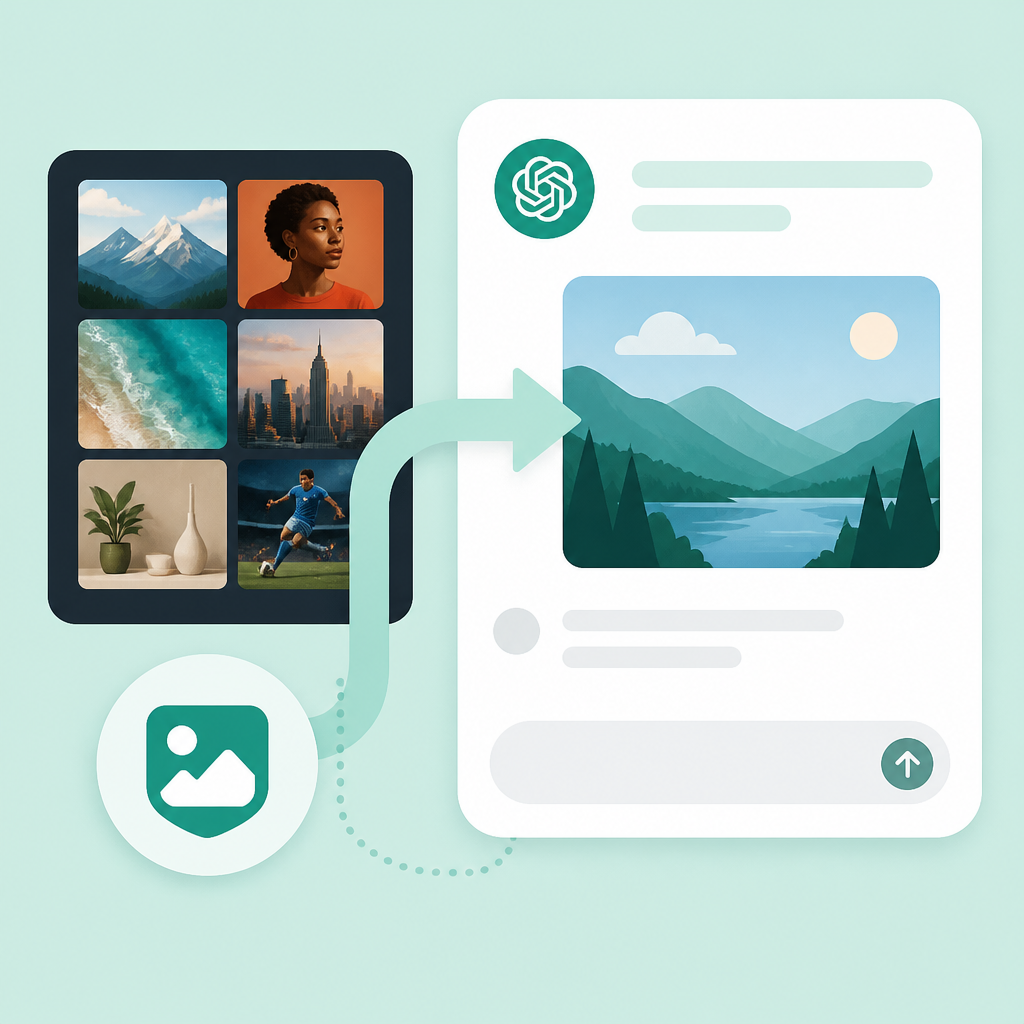
For publishers, creators, and enterprise users, the important part is not just access to images. It is access to images that come with licensing terms attached, which matters when AI products move from text-only answers to richer visual output.
- Licensed display content from Getty Images
- Placement inside ChatGPT search and discovery
- Designed to support richer visual responses
2. A deal aimed at trust, not just aesthetics
Getty Images framed the partnership as a way to make AI-powered search more useful and more trustworthy. That wording matters because image sourcing has been one of the most sensitive issues in generative AI, especially for brands that need clear usage rights.
The company said the agreement enables use of Getty content for display within ChatGPT. In practice, that suggests a model where AI can present visual context without forcing users or businesses to guess whether an image can be reused, shared, or cited.
Use case examples:
- Search a topic in ChatGPT and see licensed editorial imagery
- Explore a concept with visual context from Getty's library
- Support brand-safe discovery flows for commercial users
3. Getty Images brings scale to the partnership
This is not a small image catalog. Getty Images says it works with almost 600,000 content creators and almost 360 content partners, and covers more than 160,000 news, sport, and entertainment events each year. That scale gives OpenAI a deep pool of visual material to draw from.
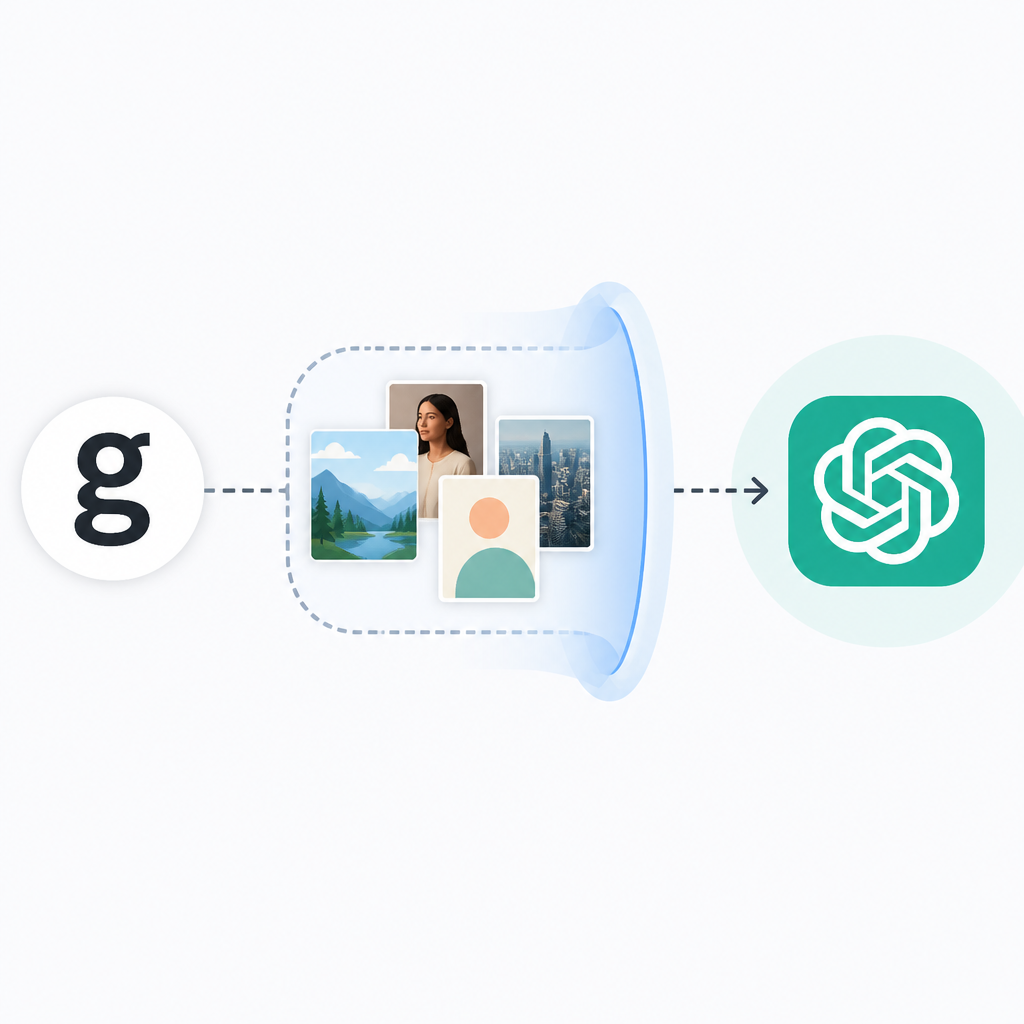
For readers trying to gauge why this announcement matters, the answer is volume plus provenance. Getty also maintains one of the largest privately owned photographic archives, with millions of images dating back to the beginning of photography. That mix of current events and historic material is hard to replicate quickly.
- Almost 600,000 content creators
- Almost 360 content partners
- More than 160,000 covered events per year
4. OpenAI gets a cleaner visual layer
For OpenAI, the display agreement helps ChatGPT move beyond text-heavy replies. Visuals can make search results easier to scan, more informative, and more useful in contexts like news, culture, sports, and commerce.
The announcement does not describe a full training deal. It is about display, which is a narrower and more immediate integration. That distinction matters because it focuses on what users see in the product now, rather than on how future models are trained.
- Search and discovery integration
- Visual enhancement for ChatGPT responses
- Display-focused agreement, not a broad model-training statement
5. It fits Getty’s broader AI strategy
The partnership also matches Getty Images’ wider push around permissioned AI. The company says customers can use text-to-image generation tools trained on licensed content that includes indemnification and worldwide usage rights, which places legal clarity at the center of its AI message.
That approach helps explain the company’s posture in the market. Rather than treating AI as a threat to its archive, Getty is positioning licensed content as a safer input and display layer for AI products that need commercial-grade visual assets.
Getty's AI pitch in one line:
permissioned content + usage rights + indemnification = safer commercial visuals
How to decide
If you care most about sourcing and rights, this is a strong sign that licensed content is becoming part of mainstream AI search products. If you are a publisher, agency, or brand team, the Getty-OpenAI deal is the one to watch because it centers on display rights and trust.
If you are comparing AI partnerships, the key takeaway is that this one is about visual delivery, not model hype. It is useful for users who want better image context, and for companies that want AI outputs backed by a known licensing framework.
// Related Articles
- [IND]
OpenAI’s Astra pause shows safety now shapes model releases
- [IND]
Anthropic is building custom AI chips for Claude
- [IND]
Moka AI Is a Stronger HRMS Choice for Growing Teams
- [IND]
August 2026 Market Review: AI Stocks Flipped Fast
- [IND]
Pixel 11 launch live: every Google reveal
- [IND]
Anthropic’s invisible watermark is the right move