Google’s May 2026 AI updates are built for agents
5 Google AI updates from May 2026 show how agents, search, health, and climate tools are moving into everyday use.
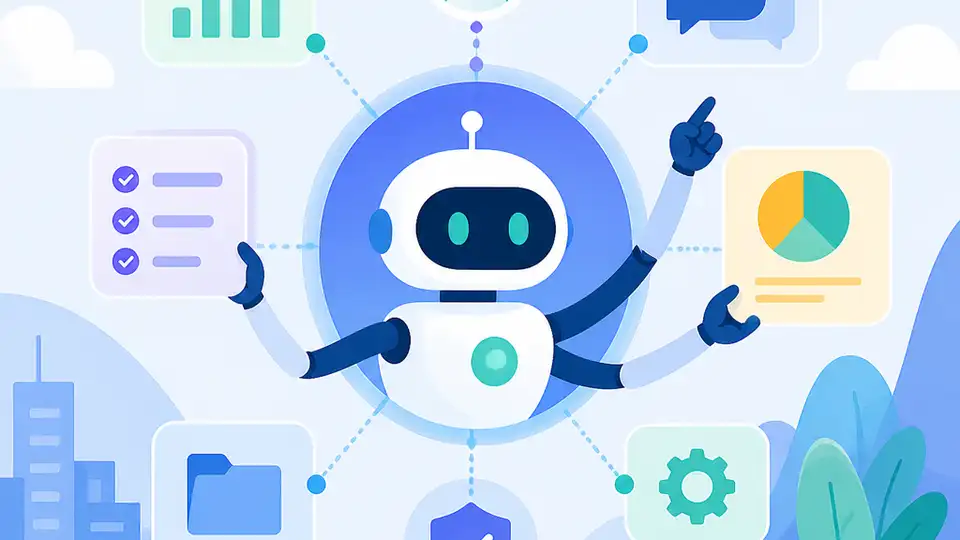
Google’s May 2026 AI updates center on agents, health tools, and climate-focused research.
May 2026 packed in 5 major Google AI moves, from Gemini 3.5 and Gemini Omni to new health, search, and climate programs.
| Item | What it does | Notable detail |
|---|---|---|
| Gemini 3.5 | Agentic model for reasoning and coding | Built for complex, multi-step workflows |
| Gemini Omni | Multimodal creation model | Creates video from image, audio, video, and text inputs |
| Gemini app | Proactive assistant | Daily briefs, inbox help, scheduling support |
| Google Health app | Personal wellness hub | Pairs with Fitbit Air and other health tools |
| DeepMind Accelerator APAC | Startup support program | Focuses on climate, energy, and environment |
1. Gemini 3.5
Get the latest AI news in your inbox
Weekly picks of model releases, tools, and deep dives — no spam, unsubscribe anytime.
No spam. Unsubscribe at any time.
Google framed Gemini 3.5 as the model that pushes its agentic era forward. The pitch is simple: the model is built not just to answer, but to take action across apps and coding tasks.
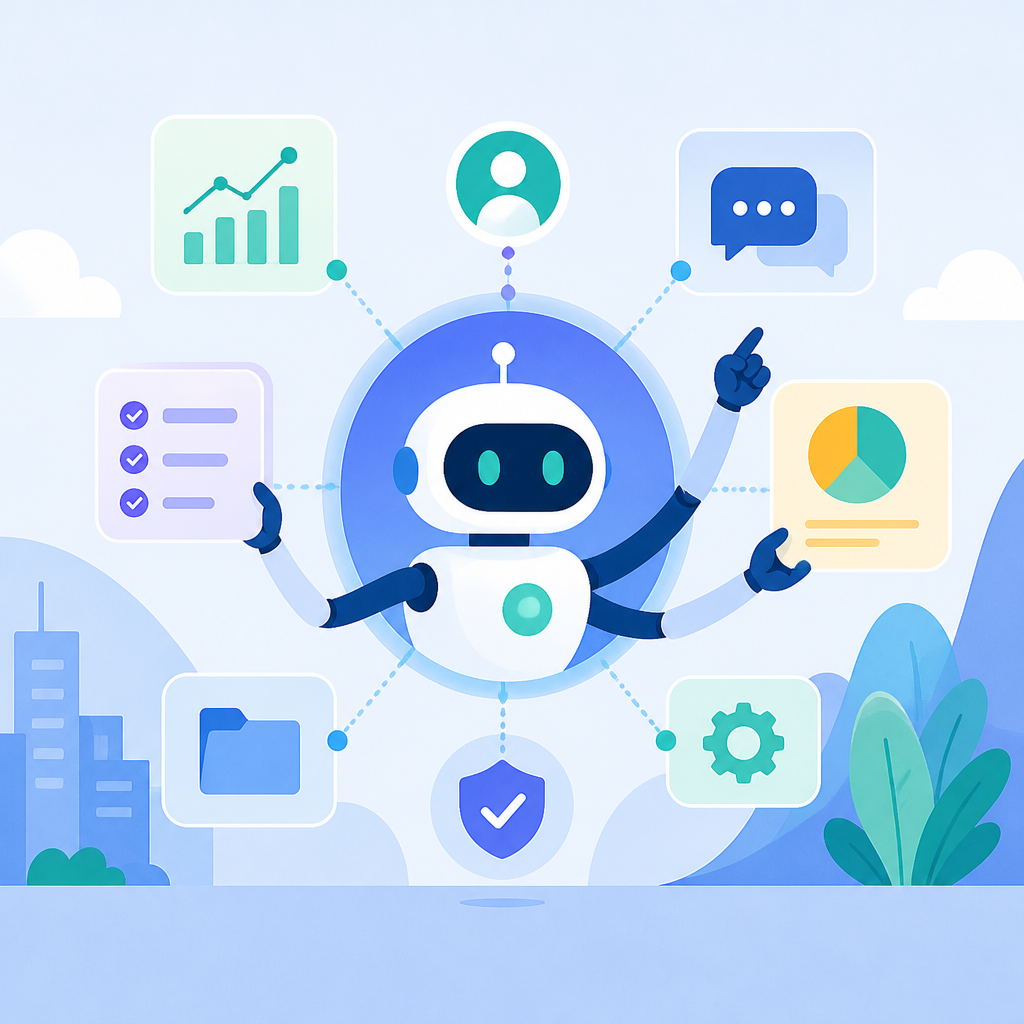
That matters because many AI products still stop at text generation. Gemini 3.5 is meant for multi-step work, where the model has to plan, execute, and keep context while moving through a chain of tasks.
- Frontier intelligence for agents and coding
- Designed for reliable multi-step workflows
- Shown alongside Google I/O 2026 announcements
2. Gemini Omni
Gemini Omni is Google’s multimodal creation model, and its headline ability is video generation from mixed inputs. It accepts images, audio, video, and text, then turns them into high-quality video grounded in Gemini’s real-world knowledge.
That makes Omni the clearest sign that Google wants Gemini to handle both reasoning and media creation in one system. For teams making content prototypes, it lowers the number of tools needed to move from idea to output.
Inputs: image + audio + video + text
Output: generated video
Use case: creative drafts, storyboarding, media experiments
3. The Gemini app
The Gemini app is shifting from reactive chat to proactive assistance. Google says the updated app includes an intuitive new UI, personalized daily briefs, and Gemini Spark, with the assistant working in the background to help manage inboxes and schedule appointments.
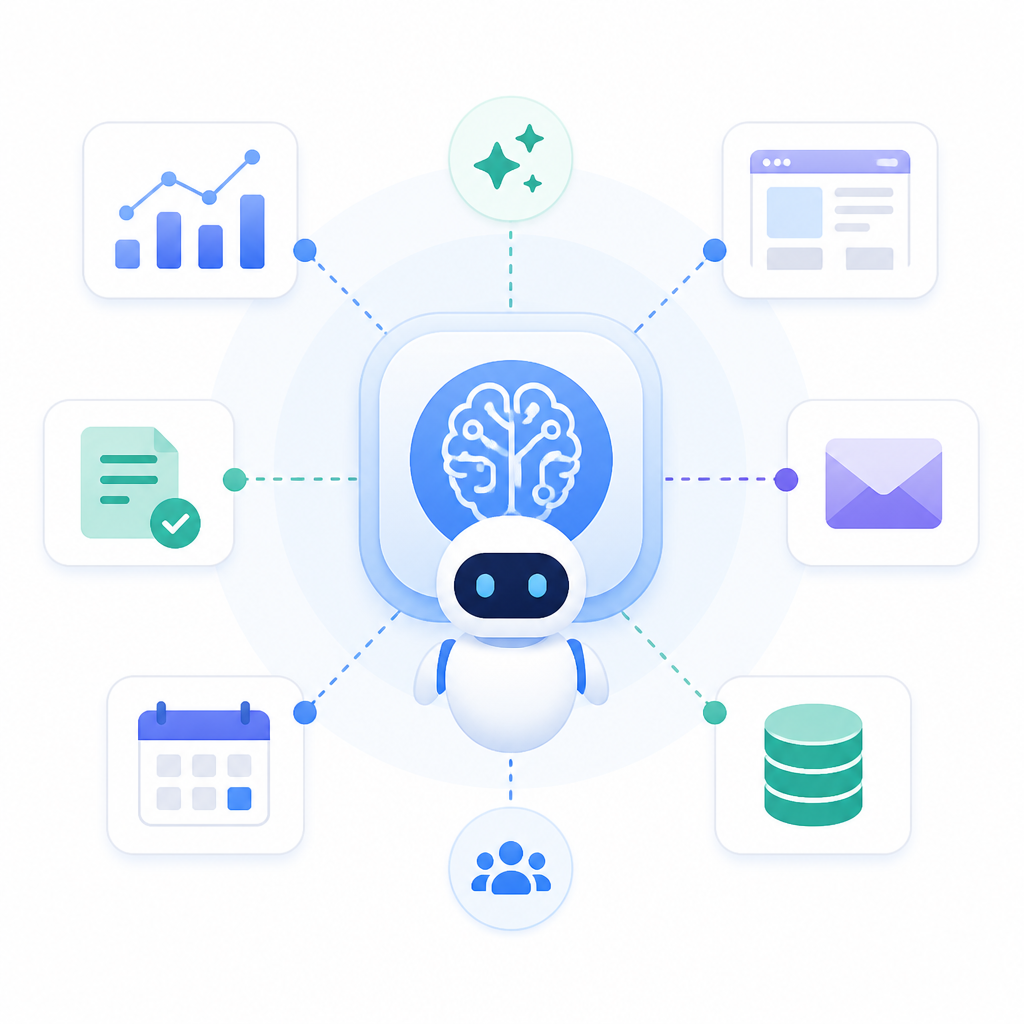
This is one of the most practical changes in the roundup because it touches daily routines, not just demos. If the feature set lands as described, the app becomes less of a Q&A box and more of a task layer for personal admin.
- Personalized daily briefs
- Inbox management support
- Appointment scheduling help
- Background assistance without constant prompting
4. Search with information agents and agentic coding
Google is also pushing AI deeper into Search. The new direction includes information agents that monitor topics 24/7, send updates with links, and help users act on what they learn.
Search is also getting agentic coding features from Gemini 3.5 Flash, plus generative UI that can build dashboards or mini apps. In practice, that means Search is no longer only a place to find information, but also a place to shape it into tools and workflows.
- Information agents run in the background
- Detailed updates include source links
- Generative UI can create custom dashboards
- Agentic coding can build mini apps and task tools
5. Health and climate programs
Two of the most concrete announcements were outside the core model stack. Google introduced the Google Health app and Fitbit Air for wellness tracking, and it also launched the Google DeepMind Accelerator program in Asia Pacific for startups working on climate, energy, and environmental problems.
These moves show where Google is aiming its AI work beyond productivity. Health tools bring AI closer to personal monitoring, while the accelerator puts funding and support behind founders using frontier AI for environmental outcomes.
- Google Health app for health and wellness data
- Fitbit Air with 24/7 heart rate and rhythm monitoring
- APAC accelerator for climate, energy, and environment startups
- REPLIQA also backs quantum AI research for life sciences
How to decide
If you want the most direct signal about Google’s product direction, start with Gemini 3.5 and Gemini Omni. They show how Google plans to combine action-taking agents with multimodal creation.
If you care more about day-to-day utility, the Gemini app and Search updates matter most. If your focus is health or climate, the Google Health app, Fitbit Air, and DeepMind Accelerator are the items to watch.
// Related Articles
- [IND]
Google’s Q2 2026 results prove AI spend is now the story
- [IND]
AI regulation in India is now a business risk
- [IND]
Europe should standardise the AI Act through harmonised technical rul…
- [IND]
AMD and Anthropic’s 2GW deal reshapes AI supply
- [IND]
OpenAI’s comeback proves coding now drives the AI race
- [IND]
System design interviews get easier with 5 core ideas