Kimi K2.6 adds open-source coding and agent swarm
Moonshot AI’s Kimi K2.6 is an open-source model for coding, long-horizon execution, and coordinated agents across web, docs, slides, and sheets.

Moonshot AI’s Kimi K2.6 is an open-source model for coding and coordinated agent workflows.
Moonshot AI has launched Kimi K2.6, an open-source model aimed at coding, long-horizon execution, and multi-agent work. The company says the model’s weights and code are public on Hugging Face and GitHub, and that it is available through the Kimi website, app, API, and Kimi Code.
| 項目 | 數值 |
|---|---|
| Model | Kimi K2.6 |
| Status | Open source |
| Availability | Website, app, API, Kimi Code |
| Code and weights | Public on Hugging Face and GitHub |
| Core focus | Coding, long-horizon execution, agent swarm |
What changed
Get the latest AI news in your inbox
Weekly picks of model releases, tools, and deep dives — no spam, unsubscribe anytime.
No spam. Unsubscribe at any time.
Kimi K2.6 is positioned as the latest entry in Moonshot AI’s Kimi line, with a focus on turning prompts into working software and coordinated outputs. The product page says it can generate front-end interfaces, add basic full-stack features, and handle multi-step tasks with fewer corrections and less back-and-forth.
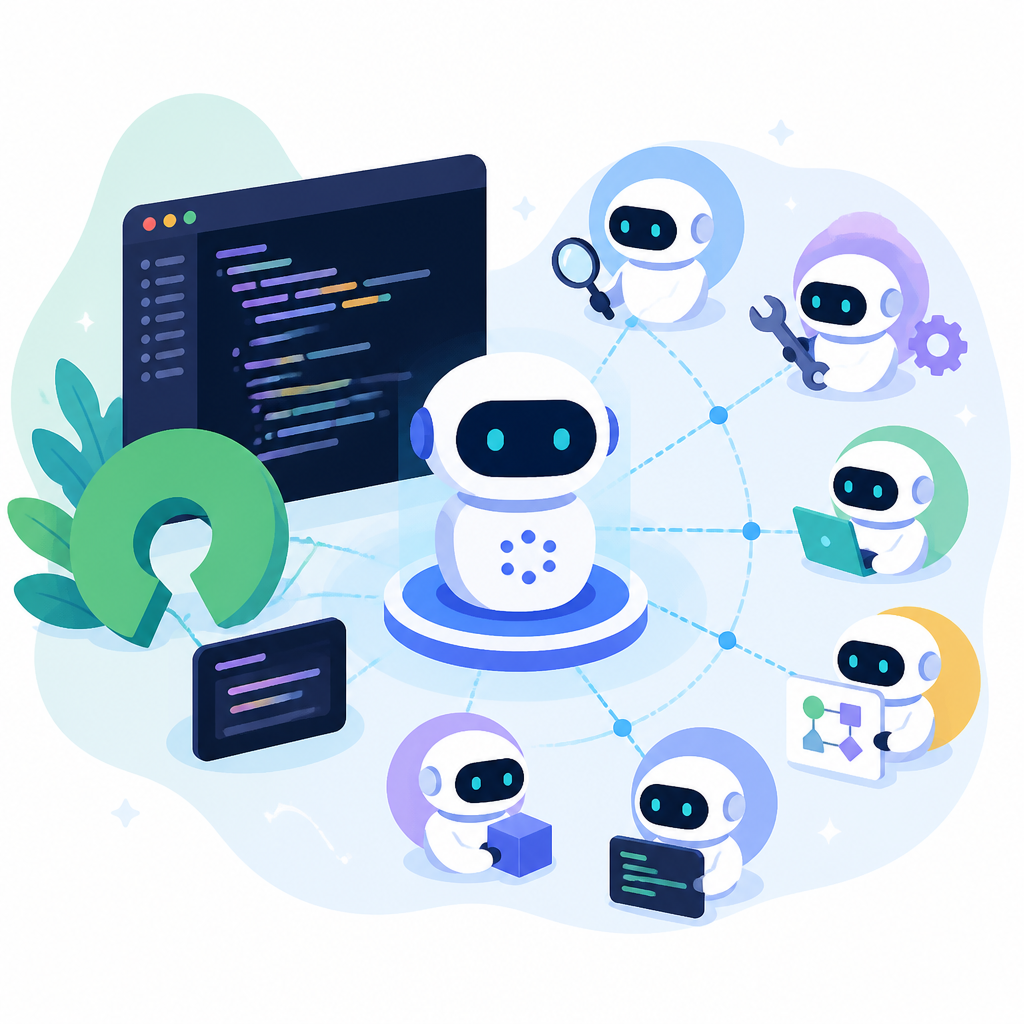
The bigger shift is in how the model coordinates work. Moonshot AI says Kimi K2.6 upgrades its Agent Swarm so multiple agents can run in parallel and combine search, research, analysis, writing, and content generation into one workflow.
- Agent Swarm can produce websites, documents, slides, and spreadsheets in one run.
- Document to skills turns strong documents into reusable task patterns.
- Claw Groups lets multiple agents work in a shared space with a coordinator.
- Kimi Slides can create editable decks from prompts, screenshots, or templates.
The company also frames Kimi K2.6 as a foundation for its broader product stack, including Kimi Work, Kimi Code, Kimi WebBridge, and Kimi Platform. Those tools extend the model into browser tasks, terminal coding, and office-style output generation.
Why it matters
For developers, the appeal is not just model access but workflow reuse. Public weights and code make it easier to test, fine-tune, and integrate the model, while the agent features target practical work like building interfaces, drafting slides, and producing structured documents.
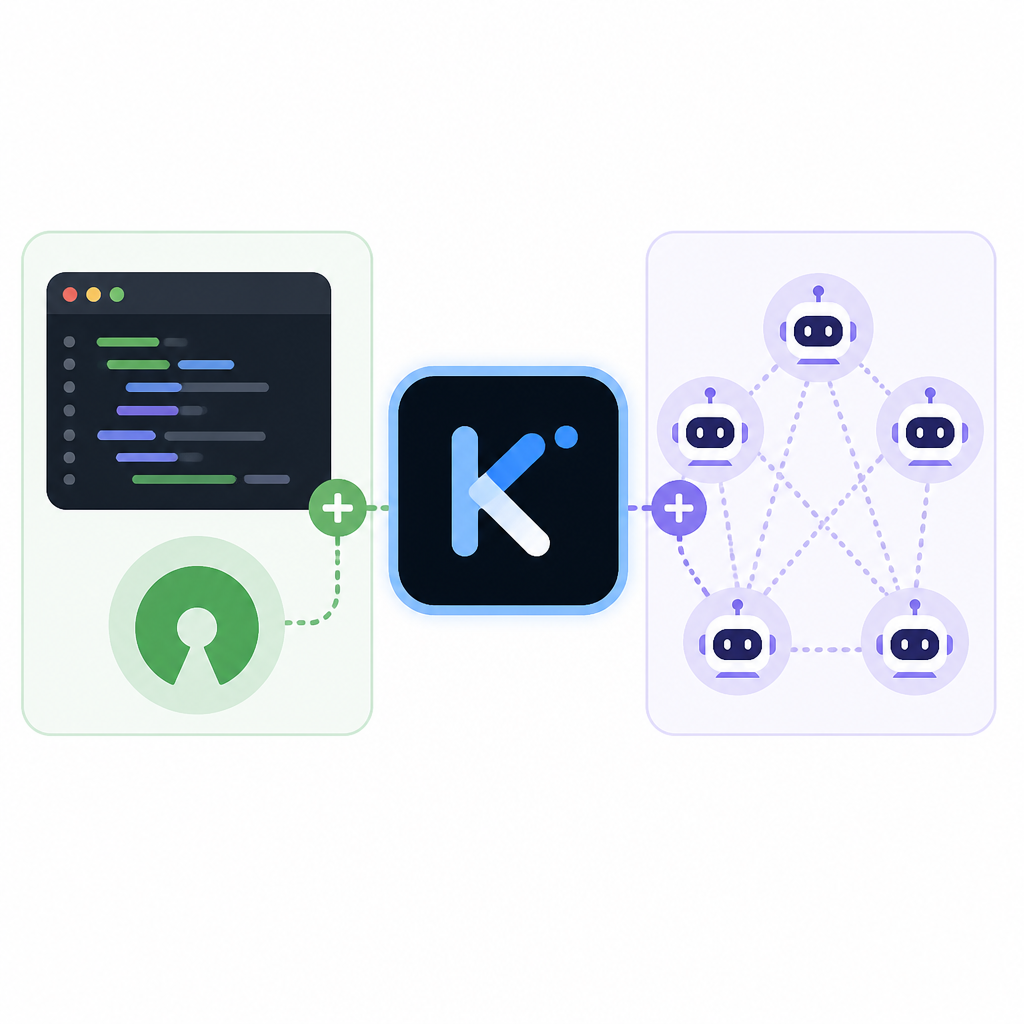
For the market, Kimi K2.6 pushes open-source models further into agentic software creation, where one model is expected to coordinate a small team of virtual workers. That puts pressure on rivals to match both code quality and task orchestration, not just benchmark scores.
The open question is whether users want a single model that writes code, builds assets, and manages multi-agent jobs, or a narrower toolchain with simpler controls. Moonshot AI is betting that the answer is both speed and reuse.
// Related Articles