MiniMax M3: 中国首个三合一开源模型
MiniMax M3 combines coding, 1M context, and native multimodal support, while MiniMax Code adds an agentic coding layer.

MiniMax M3 is a Chinese open model that combines coding, 1M context, and native multimodal support.
MiniMax has put a very specific bet on what developers want from an open model in 2026: strong coding, a huge context window, and native multimodal input in one package. In its official description, M3 is presented as the first domestic open model with all three traits, and it arrives with a companion coding agent called MiniMax Code.
That combination matters because each of those capabilities solves a different pain point. Coding quality affects day-to-day usefulness, the 1M context window changes how much code or documentation the model can hold in memory, and native multimodal support opens the door to screenshots, diagrams, and mixed-input workflows.
| Capability | MiniMax M3 | Why it matters |
|---|---|---|
| Coding Frontier+ | Yes | Targets developer workflows and code generation quality |
| Context window | 1M tokens | Lets the model handle very long repositories and docs |
| Multimodal | Native | Supports mixed text-and-image tasks without bolted-on adapters |
| Companion product | MiniMax Code | Adds an agent layer for coding tasks |
Why M3 matters to developers
Get the latest AI news in your inbox
Weekly picks of model releases, tools, and deep dives — no spam, unsubscribe anytime.
No spam. Unsubscribe at any time.
Most model launches force you to choose between speed, memory, and task quality. M3 is trying to compress those tradeoffs into a single open model that can read a lot, code well, and accept multimodal input natively. If MiniMax’s claims hold up in real use, that is more useful than a benchmark win in isolation.

The 1M context window is the headline number here. For developers, that means the model can keep an entire large codebase, long design docs, or months of issue history in view without constant chunking. In practice, that reduces the amount of prompt engineering needed just to make the model remember what matters.
- Coding quality targets software tasks instead of generic chat.
- 1M context helps with large repositories and long technical docs.
- Native multimodal input matters for screenshots, UI review, and diagram-heavy work.
- An open release gives teams more control over deployment and evaluation.
MiniMax Code adds the agent layer
MiniMax Code is the practical companion to M3. The model alone is interesting, but the agent product is what turns it into something developers can actually use for edits, refactors, and code review flows. That matters because coding agents live or die on how well they hold context across multiple steps.
The source article says developer testing found M3 felt better than Claude Sonnet 4.6, while MiniMax also acknowledged that it still trails Claude Opus 4.7 and GPT-5.5. That is a useful admission. It tells you MiniMax is aiming for the practical middle of the market: strong enough to be used, open enough to be deployed, and honest enough not to oversell its ceiling.
“M3 is the first time we’ve seen a domestic open model try to package coding strength, 1M context, and native multimodal support together.”
That quote from the source’s framing captures the main story. The interesting part is not that M3 exists, but that MiniMax is defining a new baseline for open models in China: one model, one agent layer, and one very large context budget.
How it compares with top closed models
MiniMax is not pretending M3 is already the best model in the world. The company’s own positioning leaves room for OpenAI and Anthropic’s top models to stay ahead on the hardest tasks. That honesty gives the launch more credibility than a flood of inflated benchmark claims would.
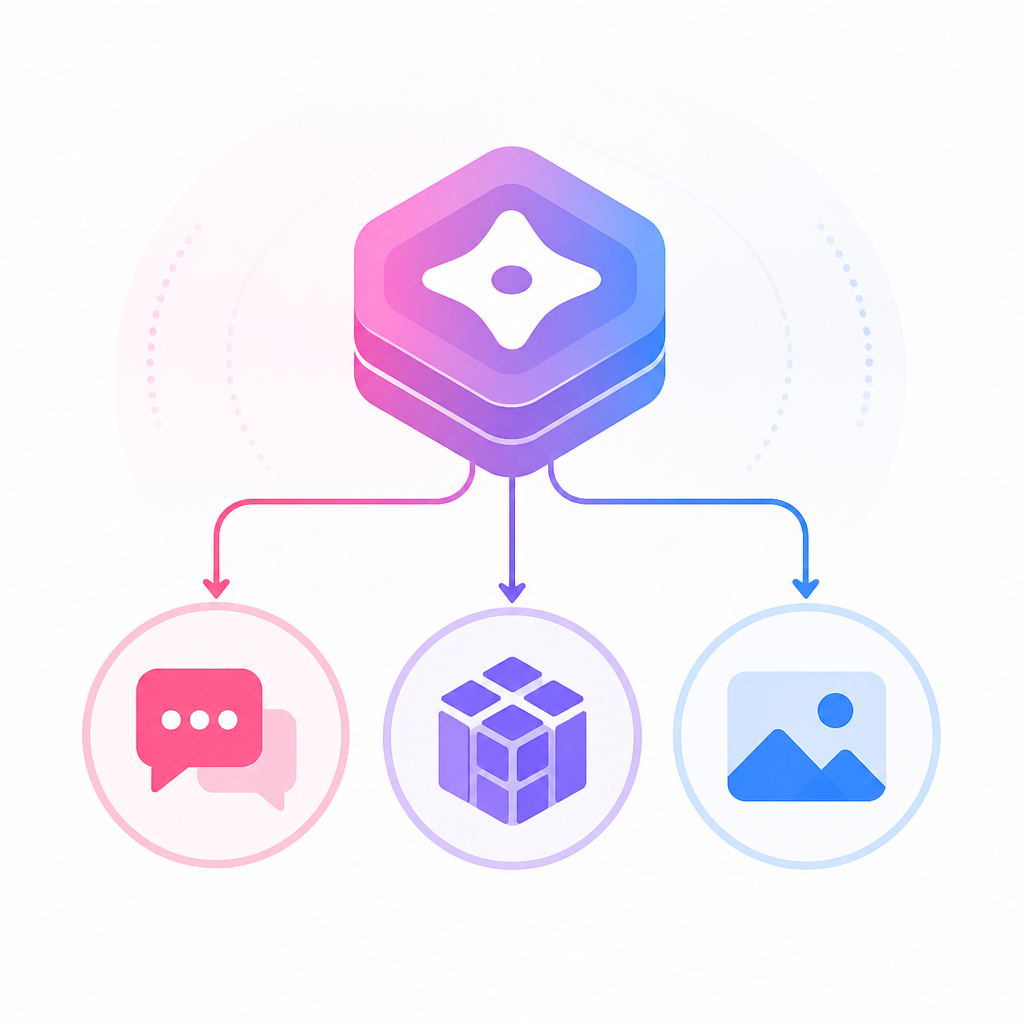
What matters is the shape of the comparison. If M3 really feels better than Sonnet 4.6 in everyday coding, then a lot of developers will care more about the workflow than the leaderboard. Closed frontier models still matter for maximum capability, but open models win adoption when they are easier to inspect, integrate, and run under local or enterprise constraints.
- MiniMax claims M3 beats Sonnet 4.6 in hands-on use.
- MiniMax says Opus 4.7 and GPT-5.5 remain ahead overall.
- Open models matter more when teams need deployment control.
- Long-context coding is a practical advantage for large codebases.
There is also a strategic angle here. A model with 1M context and native multimodal input is more than a chatbot upgrade. It can sit inside code review tools, internal knowledge systems, support automation, and agent workflows that need to read large amounts of structured material at once.
What to watch next
The real test for MiniMax is simple: can developers reproduce the strong first impression outside the company’s own demos? If M3 keeps its quality on real repositories, long bug-fix sessions, and image-heavy tasks, it becomes a serious option for teams that want open access without giving up too much capability.
For now, the launch tells us something useful about where open models are heading. The winning formula is shifting from raw parameter bragging to a tighter mix of coding performance, long context, and multimodal input. If MiniMax can keep improving M3 and MiniMax Code together, the next question is whether other Chinese model vendors answer with their own long-context coding agents or try a different bet entirely.
For readers tracking this space, the practical takeaway is to test M3 on your own codebase, not on a toy prompt. That is where the 1M context window either becomes genuinely valuable or turns into a spec sheet number that sounds better than it feels.
// Related Articles
- [MODEL]
Kimi K2.6 adds open-source coding and agent swarm
- [MODEL]
Why MiniMax M3 matters more than another long-context model
- [MODEL]
MiniMax M3 让工程师工作流更像代理
- [MODEL]
The Best Open-Source LLMs in 2026
- [MODEL]
Tether's Bitnet fine-tuning brings AI to edge devices
- [MODEL]
MIPS shows RISC-V AI IP for edge models at CES