Microsoft’s agent push will reshape business software first
Microsoft’s Build 2026 agent strategy will reshape business software faster than most companies are prepared for.

Microsoft is turning AI agents into the next major business software platform.
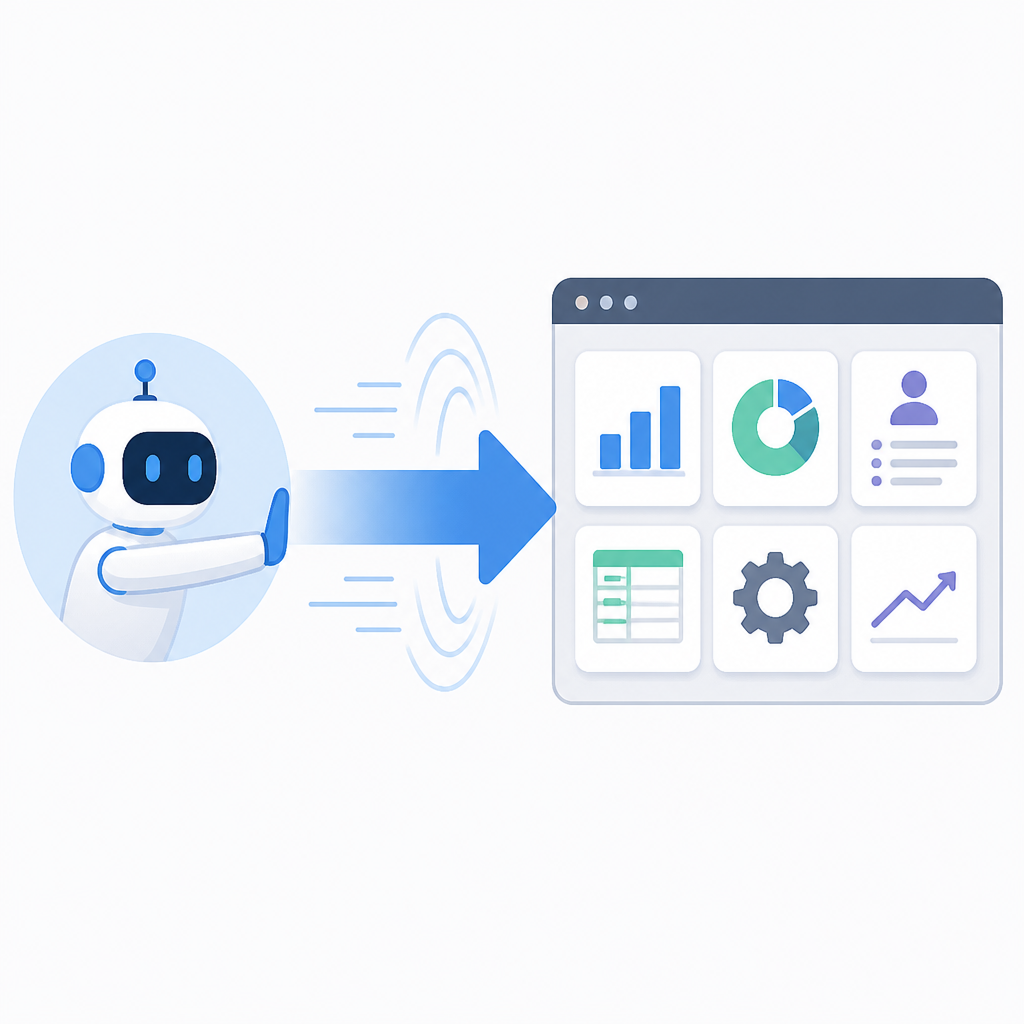
Microsoft’s Build 2026 announcements make one thing plain: the agent era is not a side feature, it is the next control point in enterprise software. The company is not treating agents as chat overlays or novelty copilots. It is building them into the platform layer where work gets routed, permissions get enforced, and business logic gets executed. That is a direct attempt to own the way companies delegate tasks to software.
Microsoft is fighting for the platform, not the prompt
Get the latest AI news in your inbox
Weekly picks of model releases, tools, and deep dives — no spam, unsubscribe anytime.
No spam. Unsubscribe at any time.
The first reason this matters is simple: whoever owns the workflow owns the value. Microsoft has spent years embedding itself into email, documents, identity, and collaboration. Agents extend that reach from assisting users to acting on their behalf. If a sales rep can ask an agent to update CRM records, draft follow-ups, pull account history, and schedule a meeting, the software vendor is no longer selling tools. It is mediating decisions.

That is a stronger position than the consumer AI race, where apps compete for attention and prompts vanish into a generic interface. Business software is stickier because it is tied to permissions, audit trails, and enterprise data. Microsoft understands that the winning layer is not the model itself but the orchestration layer around it. The company is trying to become the default runtime for agentic work, and that is a far more defensible business than chasing one-off chatbot usage.
Enterprises want agents, but only inside guardrails
The second reason this strategy has teeth is that companies are ready for automation, but not for chaos. Most firms already live with fragmented systems, repetitive admin work, and overloaded teams. An agent that can coordinate across apps, summarize context, and complete routine actions offers immediate productivity gains. The appeal is not abstract. It is the same appeal that made SaaS win: reduce manual work, standardize processes, and make work visible.
But enterprise buyers do not reward raw capability alone. They reward control. A finance team will not let an agent move money without logs, approvals, and role-based access. An IT team will not allow broad action without policy enforcement. Microsoft’s advantage is that it already sits inside the systems that manage identity and compliance. That makes its agent push more credible than startups promising general intelligence with little operational discipline.
The counter-argument
The strongest objection is that agents are still too unreliable to become a core software layer. Hallucinations, tool errors, and brittle workflows are real problems. Many companies have already seen that a demo agent and a production agent are not the same thing. If an agent makes even a small number of bad decisions in customer support, procurement, or compliance, the cost can outweigh the time saved. Skeptics are right to say that today’s agent systems still need heavy supervision.
There is also a broader market risk. If every major vendor ships agents, the category may become crowded fast, and the user experience may blur into a feature race. Companies may adopt agents selectively rather than reorganize around them. That concern is real, but it does not defeat Microsoft’s strategy. It only limits the speed of adoption. The decisive point is that enterprises will not wait for perfect autonomy. They will adopt constrained agents where the workflow is clear, the data is governed, and the business case is obvious. That is enough to make the platform battle real now.
What to do with this
If you are an engineer, PM, or founder, stop treating agents as a demo layer and start treating them as workflow infrastructure. Map the repetitive tasks in your product or business, identify where permissions and auditability matter, and design for constrained action instead of open-ended conversation. If you build on top of Microsoft’s ecosystem, assume the platform will keep moving toward agent orchestration. If you compete with it, your edge has to be sharper than “we also have an AI assistant.” The winning strategy is not to chase the loudest model release. It is to own the narrow, high-trust workflows where agents can actually produce business value.
// Related Articles
- [IND]
CBDC Governance: Standards and Stakeholder Roles
- [IND]
Invisible AI watermarks are the right move for Claude
- [IND]
pgvector is enough for small datasets, not your default
- [IND]
OpenAI’s Astra pause shows safety now shapes model releases
- [IND]
Anthropic is building custom AI chips for Claude
- [IND]
Moka AI Is a Stronger HRMS Choice for Growing Teams