Microsoft adds bare metal AKS for AI training
Microsoft added bare metal AKS, fleet management, and managed Ray tools to push Azure deeper into enterprise AI training and inference.

Microsoft upgraded Azure Kubernetes Service with bare metal, fleet management, and AI deployment tools.
Microsoft announced a set of Azure Kubernetes Service updates at Microsoft Build 2026 aimed squarely at AI training and inference. The headline feature is Azure Kubernetes Service on bare metal, which gives workloads direct hardware access instead of routing them through a hypervisor.
That matters because AI teams care about latency, GPU access, and the cost of every extra layer between model code and silicon. Microsoft is also pushing centralized cluster control through Azure Kubernetes Fleet Manager, plus managed services for distributed workloads and model deployment.
| Feature | Status | What it changes |
|---|---|---|
| AKS on Bare Metal | Public preview | Direct hardware access for AI training and inference |
| Azure Kubernetes Fleet Manager | Announced | Central policy and workload placement across environments |
| Anyscale on Azure | Introduced | Managed Ray service for distributed AI workloads |
| AI Runway | Introduced | Kubernetes-native model deployment framework |
Bare metal is the headline because AI hates extra layers
Get the latest AI news in your inbox
Weekly picks of model releases, tools, and deep dives — no spam, unsubscribe anytime.
No spam. Unsubscribe at any time.
AKS on Bare Metal is the most interesting part of the announcement. Microsoft says the feature, now in public preview, removes virtualization overhead so AI workloads can reach hardware directly and use technologies such as NVLink and RDMA.
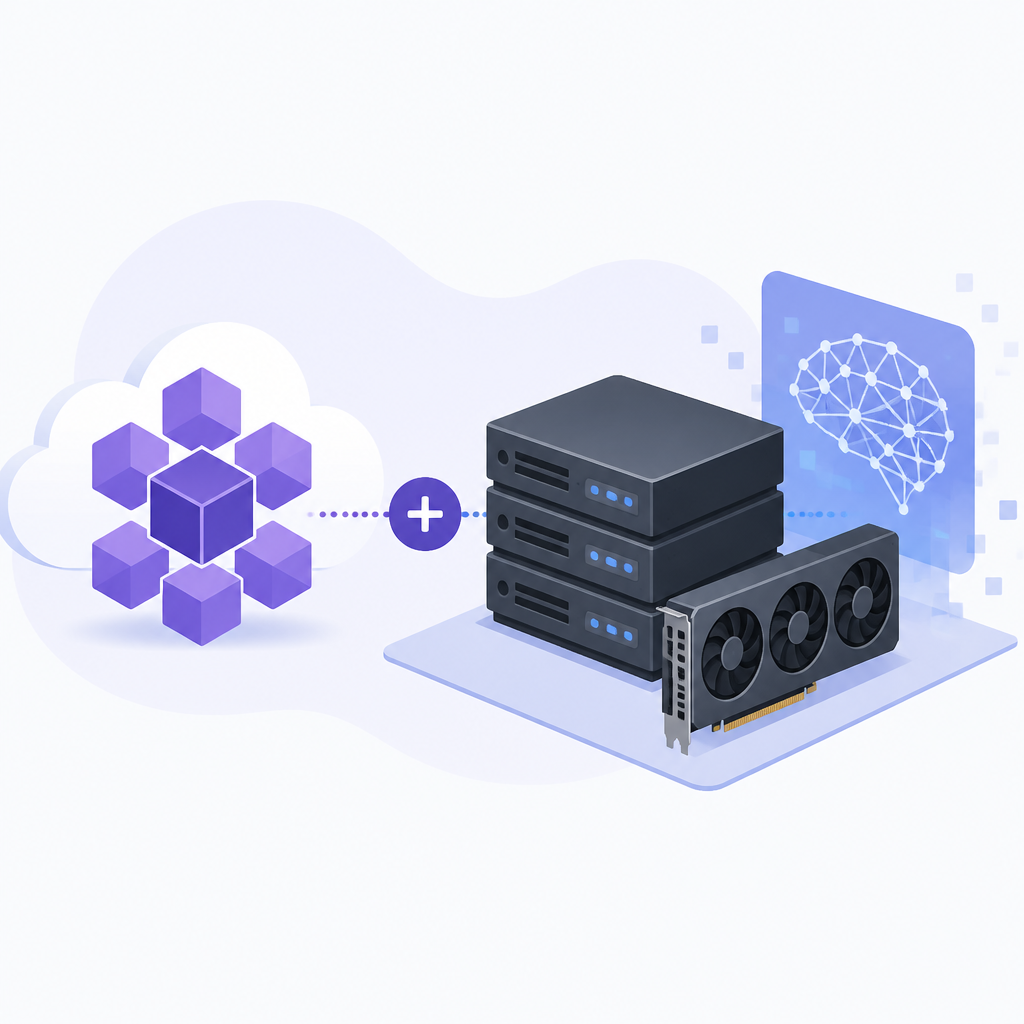
That is a practical move, not a marketing flourish. Training large models and running inference at scale both punish inefficient infrastructure, and even small gains in throughput or memory access can translate into lower cloud bills over time. For teams already paying for expensive accelerators, shaving off overhead is often more valuable than adding another orchestration layer.
The bare metal angle also signals that Microsoft wants Azure to feel less like a general-purpose cloud and more like a specialized AI platform. Kubernetes has long been the control plane for containerized apps, but AI teams usually need more than scheduling. They need predictable performance, fast networking, and a deployment path that does not force them to rebuild everything for a proprietary stack.
Fleet Manager is about control, not glamour
The second big update is Azure Kubernetes Fleet Manager, which Microsoft says can enforce policy and place workloads across hybrid and multi-cloud environments. That sounds dry, but for enterprises running AI across regions, it solves a real operational problem.
AI deployments rarely live in one neat cluster. They spread across regions for latency, compliance, and capacity reasons, and that means teams need a single way to keep policies consistent. Fleet Manager gives Microsoft a story for companies that want one control layer without giving up the option to run workloads where the business needs them.
“A cluster is only as useful as the policy and automation around it,” said Kubernetes co-founder Brendan Burns in a 2024 CNCF interview, explaining why management matters as much as compute.
That quote fits this announcement well. Microsoft is not trying to sell Kubernetes as a toy for platform teams. It is trying to make Kubernetes the operational layer for AI systems that have to be governed, moved, and updated without drama.
The broader industry context helps here. AWS and Google Cloud have both expanded their AI offerings, and Microsoft is answering with a mix of open-source software and managed services. That combination matters because enterprise buyers usually want flexibility in code, but they still want a vendor to handle the messy parts of operations.
Managed Ray and AI Runway fill in the developer workflow
Microsoft also introduced Anyscale on Azure, a managed Ray service for distributed AI workloads. Ray has become a common choice for parallel training, batch inference, and large-scale data processing, so putting it into a managed Azure service lowers the setup burden for teams that already use it.
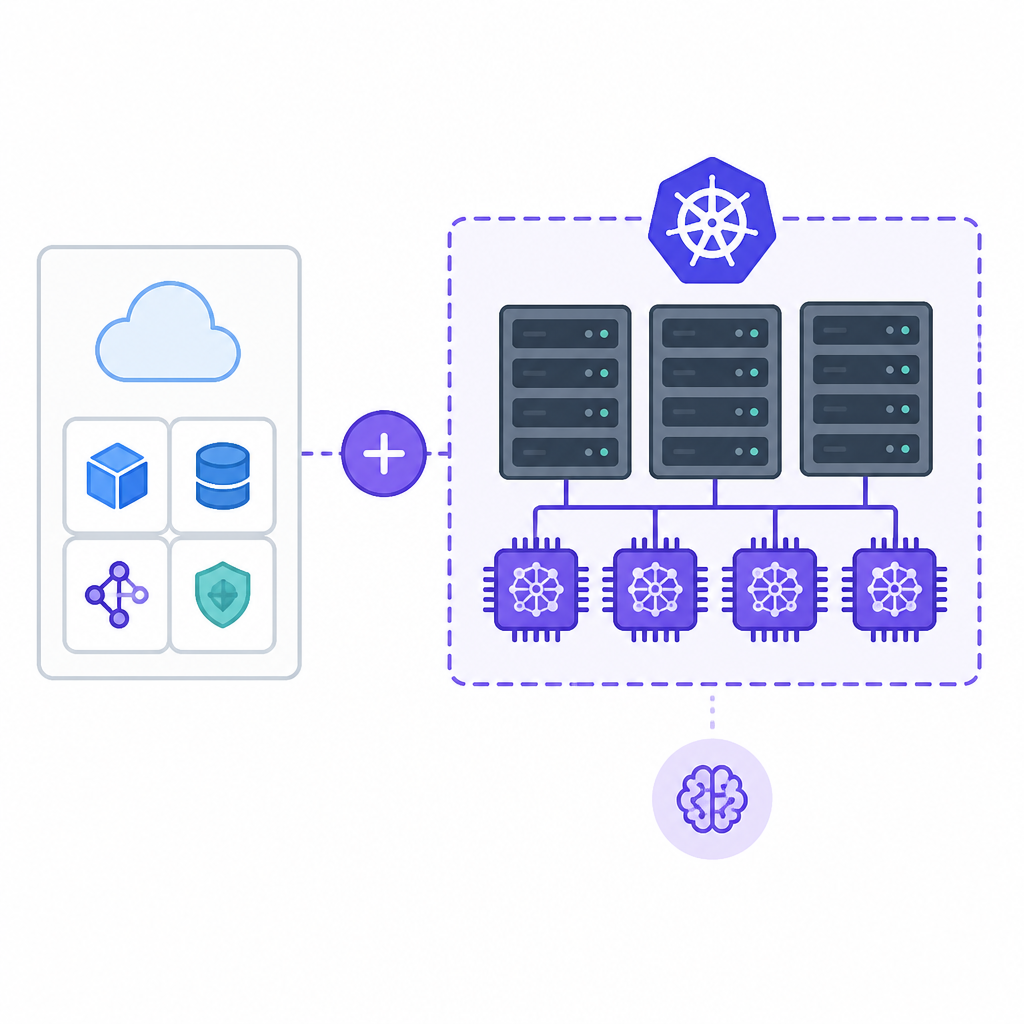
Then there is AI Runway, a Kubernetes-native model deployment framework that Microsoft says simplifies the path from trained model to production. That is the part developers will notice most, because AI work often stalls between a successful notebook run and a stable deployment.
- AKS on Bare Metal targets performance-sensitive AI workloads that need direct access to GPUs and fast interconnects.
- Fleet Manager targets teams that operate across hybrid and multi-cloud setups.
- Anyscale on Azure targets distributed training and inference pipelines built on Ray.
- AI Runway targets deployment friction, which is where many AI projects lose momentum.
Put together, these tools show a clear strategy. Microsoft is not betting on one giant AI product; it is building a stack where infrastructure, orchestration, and deployment all sit on top of Kubernetes.
Microsoft is betting that Kubernetes becomes the AI control plane
The most important takeaway is simple: Microsoft wants Azure Kubernetes Service to be the default control layer for enterprise AI. That is a smart bet because AI teams already trust Kubernetes for scheduling, isolation, and portability, even if they dislike the operational overhead that comes with it.
For developers, the practical question is whether these additions reduce the gap between experimentation and production. If bare metal access really improves throughput, Fleet Manager keeps policies consistent, and AI Runway shortens deployment time, Azure gets a stronger case for serious AI infrastructure work.
- Microsoft is pushing AKS closer to specialized AI infrastructure.
- The new tools focus on performance, governance, and deployment speed.
- The real test is whether enterprises see lower cost per training run and faster model rollout.
If Microsoft can prove those gains in customer workloads, expect more AI teams to treat Kubernetes as the default operating layer rather than a sidecar for container apps. The next thing to watch is whether Azure publishes hard performance numbers for bare metal AKS, because that will tell us whether this is a packaging update or a real efficiency win.
// Related Articles
- [IND]
OpenAI’s Astra pause shows safety now shapes model releases
- [IND]
Anthropic is building custom AI chips for Claude
- [IND]
Moka AI Is a Stronger HRMS Choice for Growing Teams
- [IND]
August 2026 Market Review: AI Stocks Flipped Fast
- [IND]
Pixel 11 launch live: every Google reveal
- [IND]
Anthropic’s invisible watermark is the right move