OpenAI narrows GPT-5.6 rollout after U.S. request
OpenAI is limiting GPT-5.6 Sol, Terra and Luna to trusted partners before a wider release.

OpenAI is limiting GPT-5.6 Sol, Terra and Luna to trusted partners before wider release.
OpenAI says its three new models, GPT-5.6 Sol, Terra, and Luna, will roll out first to a small group of trusted partners after a request from the U.S. government. The company says general availability should follow in the coming weeks, but the launch already shows how much more hands-on Washington has become with frontier AI releases.
| Model | Rollout status | Notable details |
|---|---|---|
| GPT-5.6 Sol | Limited to trusted partners first | Strongest tier; better coding, biology, cybersecurity |
| Terra | Limited to trusted partners first | Mid-tier model in the new lineup |
| Luna | Limited to trusted partners first | Entry tier in the new lineup |
What OpenAI actually announced
Get the latest AI news in your inbox
Weekly picks of model releases, tools, and deep dives — no spam, unsubscribe anytime.
No spam. Unsubscribe at any time.
OpenAI said it previewed the models’ capabilities and shared its plans with the government before Friday’s launch. The company also said it believes in broad access, which is a polite way of saying this rollout is a temporary detour, not the end state.
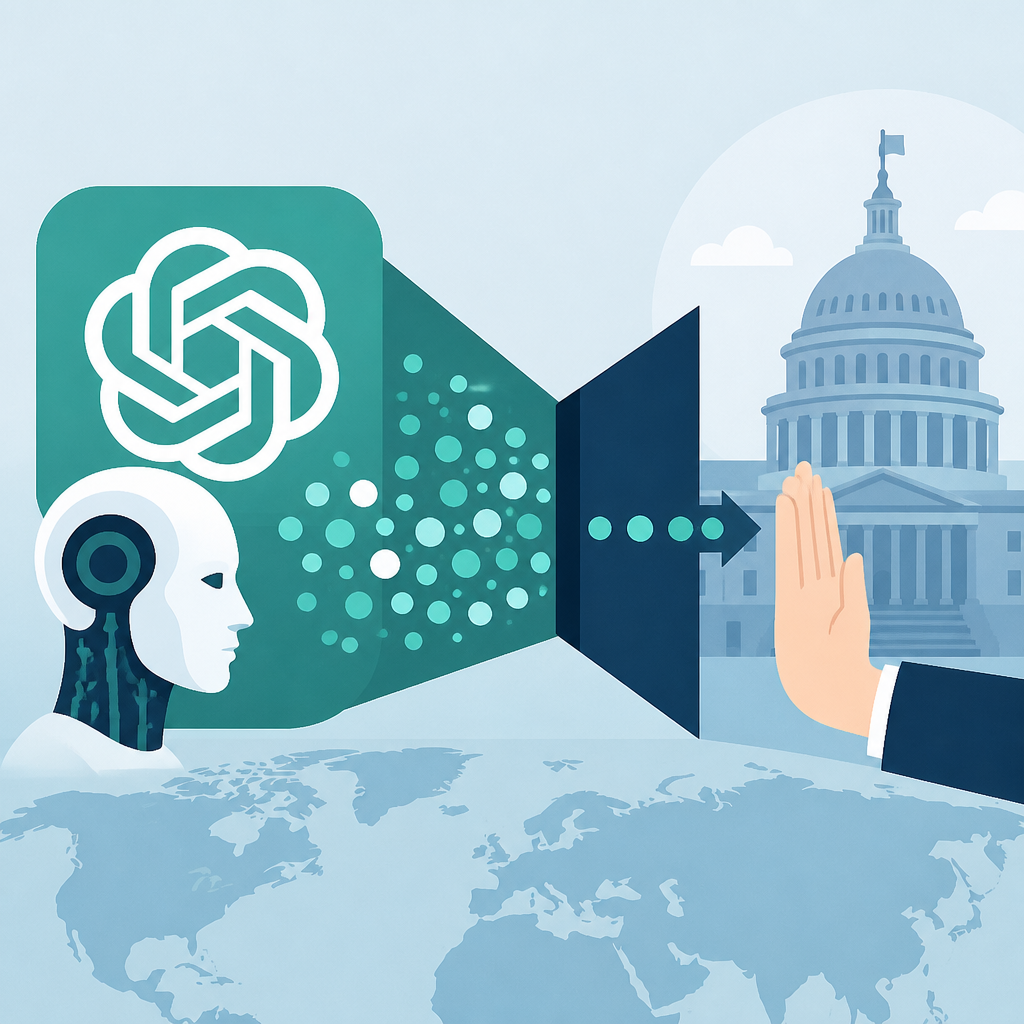
The three models are named by capability tier. Sol sits at the top of the stack, while Terra and Luna fill the lower tiers. OpenAI said all three are expected to become generally available in the coming weeks.
- Three new models were announced on June 26, 2026.
- Initial access is limited to a small group of trusted partners.
- OpenAI says broader availability should arrive in the coming weeks.
- Sol is the strongest model in the lineup.
Why Washington is involved now
This is the clearest sign yet that the Trump administration wants advance visibility into major model releases. Earlier this month, President Donald Trump signed an AI executive order that asked developers to voluntarily let the government assess model capabilities before full release.
OpenAI said it is working with the administration to build a repeatable process for future launches. That matters because the company is treating this as a one-off operational step, while the government seems to be testing whether pre-release review becomes normal practice.
“We don’t believe this kind of government access process should become the long-term default,” OpenAI said in its blog post.
The company added that this process keeps powerful tools away from users, developers, enterprises, cyber defenders, and global partners who need them. That line tells you where the tension sits: safety review on one side, broad distribution on the other.
OpenAI also said the short-term restriction is the strongest path to wider availability in the near term. In other words, the company is accepting a delay now to avoid a larger fight later.
How this compares with Anthropic
OpenAI is not the only company dealing with government pressure. Two weeks earlier, Anthropic disabled access to two of its latest models to comply with an export control directive from the Trump administration. Anthropic has said it is in active talks with officials in Washington, D.C., but it has not given a date for restoring access.
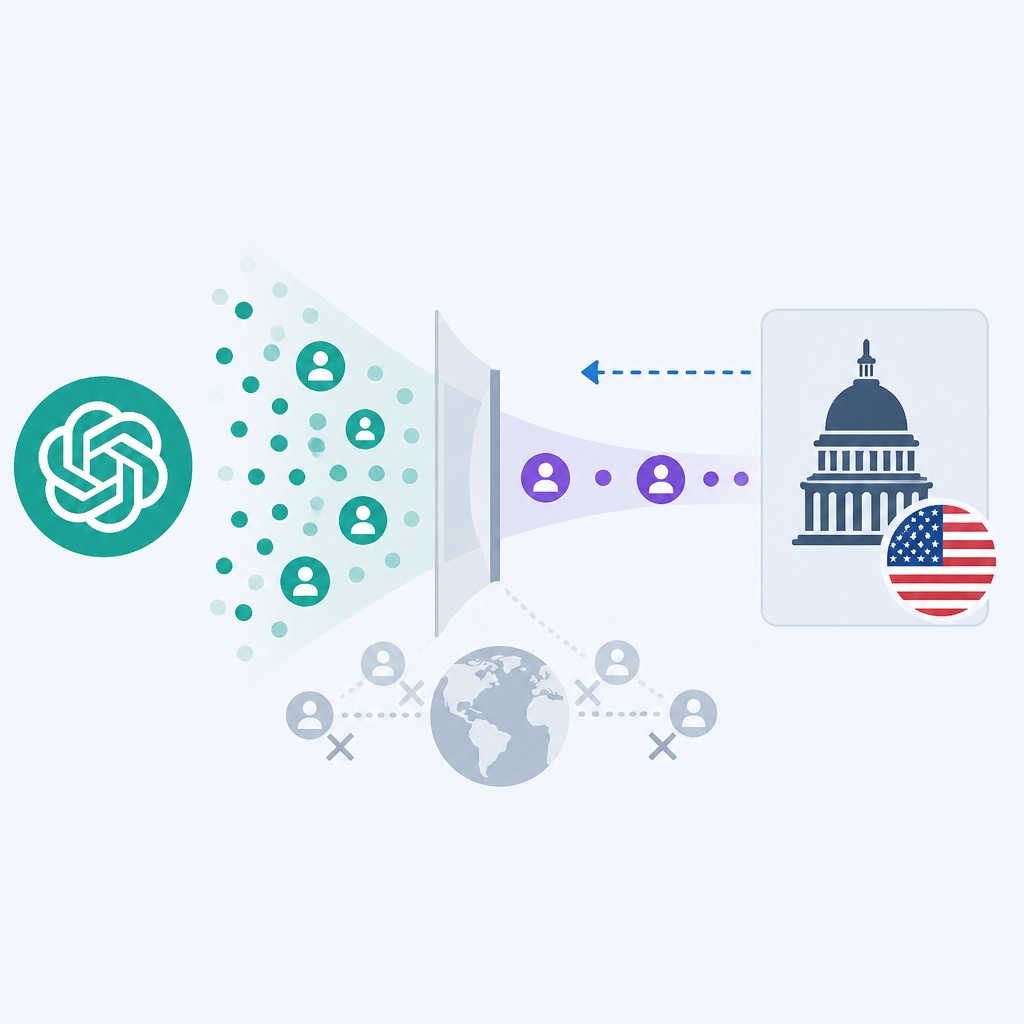
The timing matters. OpenAI’s move looks voluntary on the surface, but it comes after Anthropic already showed what happens when policy and product releases collide. The result is a more cautious launch pattern across the frontier model market.
- Anthropic disabled access to two latest models two weeks before OpenAI’s announcement.
- Anthropic has not said when those models will return online.
- OpenAI says its new models should reach general availability in weeks, not months.
- Both companies are now dealing with government involvement before or during rollout.
There is also a practical difference in messaging. Anthropic framed its issue as compliance with an export control directive. OpenAI framed its decision as a short-term step toward broader release. Same pressure, different story.
Why Sol matters more than the name suggests
OpenAI said Sol is its strongest offering yet, with improvements in coding and biology. The company also said it is its most capable model for cybersecurity, especially when helping users fix vulnerabilities.
That distinction is important. OpenAI says Sol is better at defense than offense, and that it still does not cross the company’s “critical” cybersecurity risk threshold. OpenAI defines that threshold as introducing “unprecedented new pathways to severe harm,” which is the line the company says Sol does not reach.
For developers and security teams, that means the model is being positioned as a tool for analysis, debugging, and patching rather than a weaponized offensive system. If OpenAI is right, then the model could become useful for defenders without triggering the company’s highest-risk internal controls.
Still, the fact that cybersecurity is one of the headline capabilities explains why the rollout is being watched so closely. A stronger model in this area changes the balance for both defenders and attackers, even before broad public access begins.
OpenAI’s wording also hints at the company’s internal risk framework. It is not saying the model is harmless. It is saying the model stays below the line that would force a much stricter response.
What developers should watch next
The next few weeks will tell us whether OpenAI’s trusted-partner rollout is a one-time exception or the start of a new release pattern. If the government keeps asking for pre-release review, model launches may begin to look more like staged policy negotiations than product drops.
For developers, the near-term questions are simple: who gets access first, how much capability is exposed, and whether the same process repeats for future models. For enterprises, the bigger issue is whether rollout delays become common whenever a model touches cybersecurity, biology, or other high-risk areas.
My read is straightforward: this story is less about one model family and more about who gets to approve frontier AI before the public sees it. If OpenAI and the Trump administration settle on a repeatable process, the next major launch may arrive with a government review attached by default.
That is the detail worth tracking, because the policy process may end up shaping product cadence more than model quality does.
// Related Articles
- [MODEL]
August 2026 model rankings: Claude leads text, Kimi coding
- [MODEL]
Qwen3.8-Max pushes Alibaba into the top tier
- [MODEL]
Qwen3.8-Max proves that agentic work is the real frontier
- [MODEL]
Google Earth Should Not Ship AI Image Generation
- [MODEL]
Try Claude Opus 4.7 and read its benchmarks
- [MODEL]
Opus 5 lets you cut cost without losing quality