OpenMontage proves open-source should own AI video production
OpenMontage shows that open-source, agentic systems are the right path for AI video production.

OpenMontage shows that open-source, agentic systems are the right path for AI video production.
OpenMontage matters because AI video should be built as a controllable, open system, not sold as a sealed prompt box.
Open-source is the only credible foundation for agentic video
Get the latest AI news in your inbox
Weekly picks of model releases, tools, and deep dives — no spam, unsubscribe anytime.
No spam. Unsubscribe at any time.
OpenMontage arrives with 12 pipelines, 52 tools, and more than 500 agent skills. That is not a demo wrapper around a model; it is an operating environment for production work. When a system is this modular, the value is not just in generation quality but in whether teams can inspect, modify, and extend each step. That is exactly where open source wins.
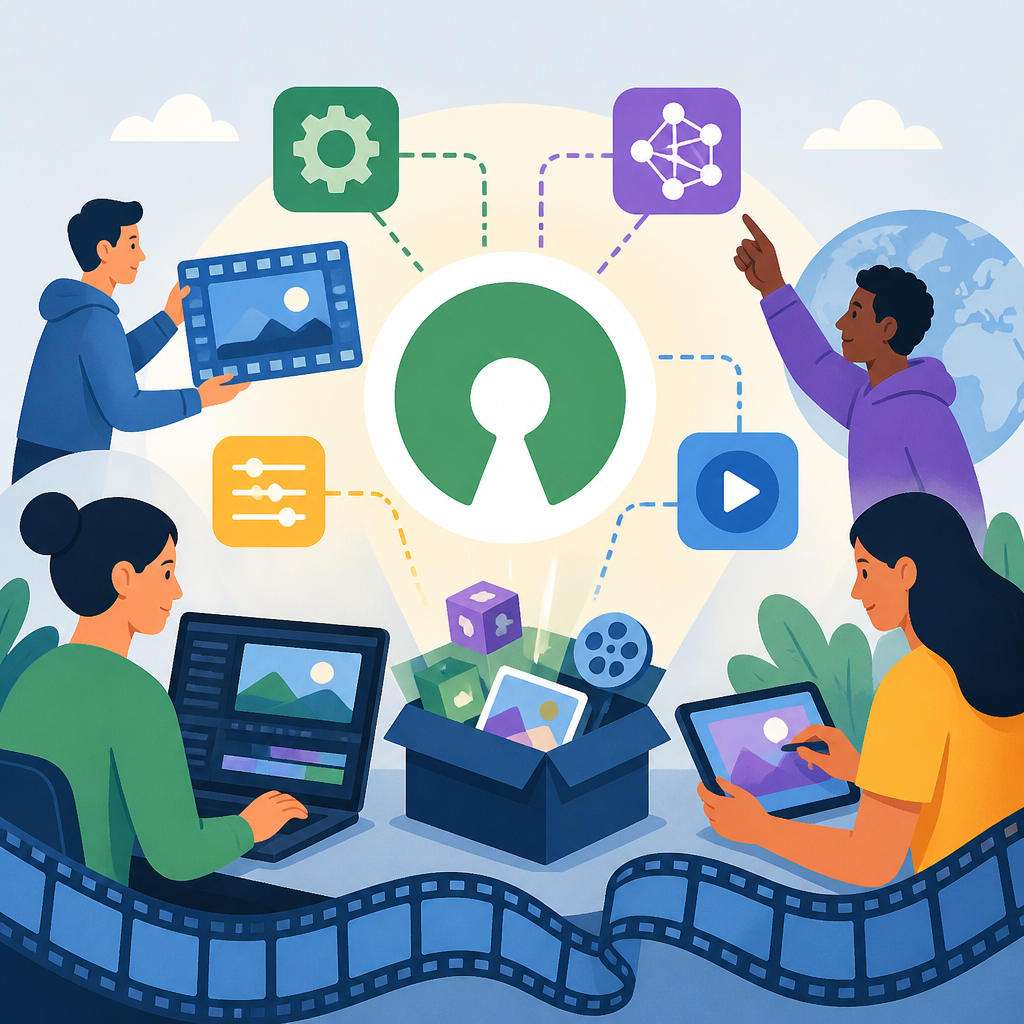
Closed video products optimize for output and lock users out of process. That is acceptable for casual clips, but not for serious production. Video work is full of constraints: aspect ratios, timing, asset reuse, brand rules, review cycles, and versioning. A proprietary service can generate a result, but it cannot give teams the confidence to automate the whole chain. OpenMontage’s GitHub release makes the workflow visible, which is the prerequisite for real adoption.
The scale of the system is the point, not a vanity metric
The headline numbers matter because they reveal the design philosophy. Twelve pipelines mean the project treats video creation as a sequence of distinct jobs, not one monolithic generation step. Fifty-two tools mean the system expects the agent to choose between specialized actions instead of relying on a single model pass. That is the right architecture for production, where the best result comes from orchestration, not raw generation.
The 500-plus skills library pushes the same idea further. A skill catalog that large suggests coverage for tasks like planning, asset handling, sequencing, and output prep. In practice, that is what makes an AI assistant useful in a studio setting. The assistant does not need to “understand video” in an abstract sense; it needs to know which tool to call next. OpenMontage is built around that reality, and that is why it is more important than another text-to-video novelty.
Agentic workflows are a better fit for professional media than pure generation
Generative video models are good at producing a clip from a prompt. They are weak at everything that comes after the first render. Professional production is iterative by nature. Teams revise scripts, swap scenes, re-time cuts, and adapt assets for different channels. A system built around agentic workflows can handle those tasks because it treats creation as a process. That is the shift OpenMontage represents.
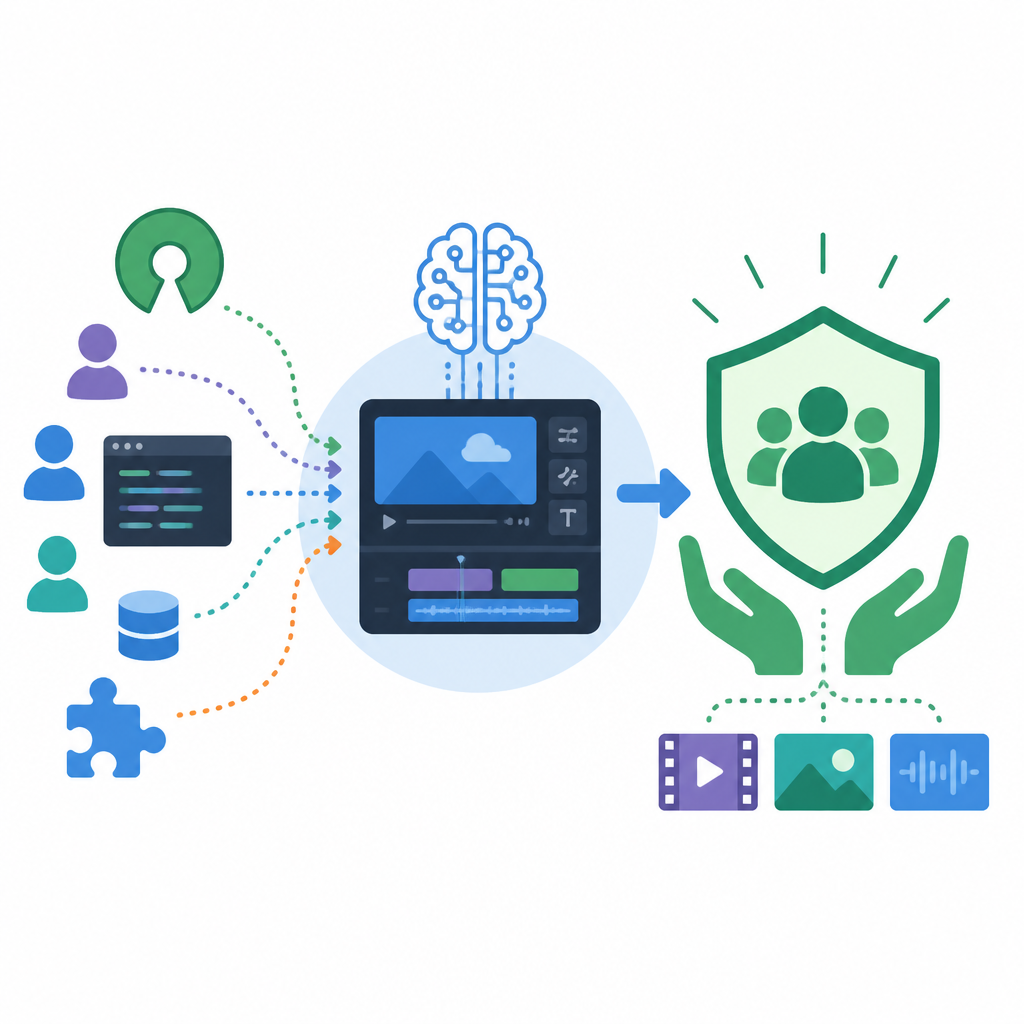
This is also why integrating with programming assistants is such a smart move. Developers already work in environments where automation, scripting, and tool calls are normal. OpenMontage extends that habit into multimedia production. Instead of asking a coding assistant to guess at a final video, the system gives it a structured way to act. That makes the assistant more useful, and it makes the production pipeline less dependent on manual labor.
The counter-argument
The strongest case against OpenMontage is simple: open-source systems are harder to polish, harder to support, and often weaker on raw quality than proprietary rivals. Closed platforms can centralize data, tune models tightly, and ship a smoother user experience. For many buyers, that matters more than transparency. They want a result today, not a framework they need to assemble.
There is also a real risk that “agentic” becomes a buzzword for complexity. A system with 12 pipelines and 52 tools can become brittle if the orchestration is not excellent. More moving parts means more failure points. If the skills library is poorly maintained, the promise of autonomy collapses into debugging.
That critique is fair, but it does not defeat the project. It defines the bar OpenMontage must clear. Video production is already a multi-step discipline, so hiding complexity behind a single prompt is a short-term convenience, not a durable solution. OpenMontage accepts the complexity openly, which is the right tradeoff for teams that need control, reproducibility, and customization. If the system is hard to maintain, that is a tooling problem, not an argument for keeping the stack closed.
What to do with this
If you are an engineer, treat OpenMontage as a signal to design AI products around workflows, not outputs. Build tool boundaries, explicit state, and inspectable steps. If you are a PM, stop measuring video AI by prompt quality alone and start measuring editability, repeatability, and integration cost. If you are a founder, back open systems where the moat is orchestration and developer trust, because that is where the next durable AI video businesses will be built.
// Related Articles
- [AGENT]
Agent Plugins 1.0.0 turns skills into folders
- [AGENT]
FaithEyes lets you train tool-faithful vision agents
- [AGENT]
Connect Qwen 3.8 Max to CLI Agents
- [AGENT]
Fine-tune a small LLM for legal labeling
- [AGENT]
SALA Boosts Long Context on Edge AI
- [AGENT]
Anthropic’s breach proves AI agents need hard security limits