RISC-V should keep mentorships paid, limited, and public
RISC-V International’s mentorship program works because it funds short, structured projects and keeps the scope narrow.

RISC-V International’s mentorship program works because it funds short, structured projects and keeps the scope narrow.
RISC-V International’s mentorship program is a smart model because it treats mentorship as funded, time-boxed engineering work, not informal goodwill.
The program is explicit about its shape: a three-month project at 30 hours per week, backed by RISC-V International and run through LFX Mentorship. That structure matters. It gives mentors, mentees, and sponsoring organizations a shared expectation of output, while avoiding the drift that often turns “mentorship” into vague career coaching with no deliverable. The result is a program that looks like a real contribution path, not a side quest.
Short, paid projects are the right unit of mentorship
Get the latest AI news in your inbox
Weekly picks of model releases, tools, and deep dives — no spam, unsubscribe anytime.
No spam. Unsubscribe at any time.
RISC-V’s choice to define mentorship as a three-month, 30-hour-per-week engagement is the strongest part of the program. That is long enough to ship meaningful work and short enough to keep scope honest. In open hardware and ISA ecosystems, where onboarding can be slow and the learning curve is steep, a bounded project is far more effective than open-ended mentoring. It forces the work to be concrete: tooling, documentation, validation, or ecosystem support that can be reviewed and reused.

The stipend detail is equally important. The page states that the selected mentee receives a paid position, while additional participants may join unpaid for experience. That is a useful compromise, but the core signal is clear: if the work has value to the ecosystem, it should be compensated. Too many technical communities ask early-career contributors to absorb the cost of participation themselves. RISC-V is doing the opposite, and that is the right call if it wants a broader and more durable contributor base.
Open proposals create a healthier ecosystem than closed apprenticeship
Any Premier, Strategic, or Community member can propose a project. That openness is not just administrivia. It means the mentorship pipeline is tied to the actual organizations building around RISC-V, rather than to a small internal gatekeeping group. When the proposal source is broad, the program can surface real ecosystem needs instead of only the priorities of a central committee. For a standards body trying to grow both technical depth and adoption, that is exactly the right incentive structure.
The benefits for mentors make the case even stronger. RISC-V says mentors get help fast-tracking ecosystem work, training the next generation of engineers, and building a pipeline to a diverse pool of developers. Those are not soft perks. They are operational advantages. A mentor who can delegate scoped work to a capable mentee gets throughput, documentation, and onboarding leverage. In a field where senior engineers are scarce, mentorship that reduces bottlenecks is not charity. It is capacity building.
Public timelines and seasonal cadence make the program credible
The published timeline is a sign of maturity. RISC-V lists proposal windows, notification dates, application periods, and a fixed session window for fall. That level of scheduling tells participants that the program is managed like a real program, not a loose community promise. It also lowers uncertainty for companies and universities that need to plan around academic calendars, staffing, and release cycles. Predictability is a feature, especially in a global open-source ecosystem with uneven volunteer availability.
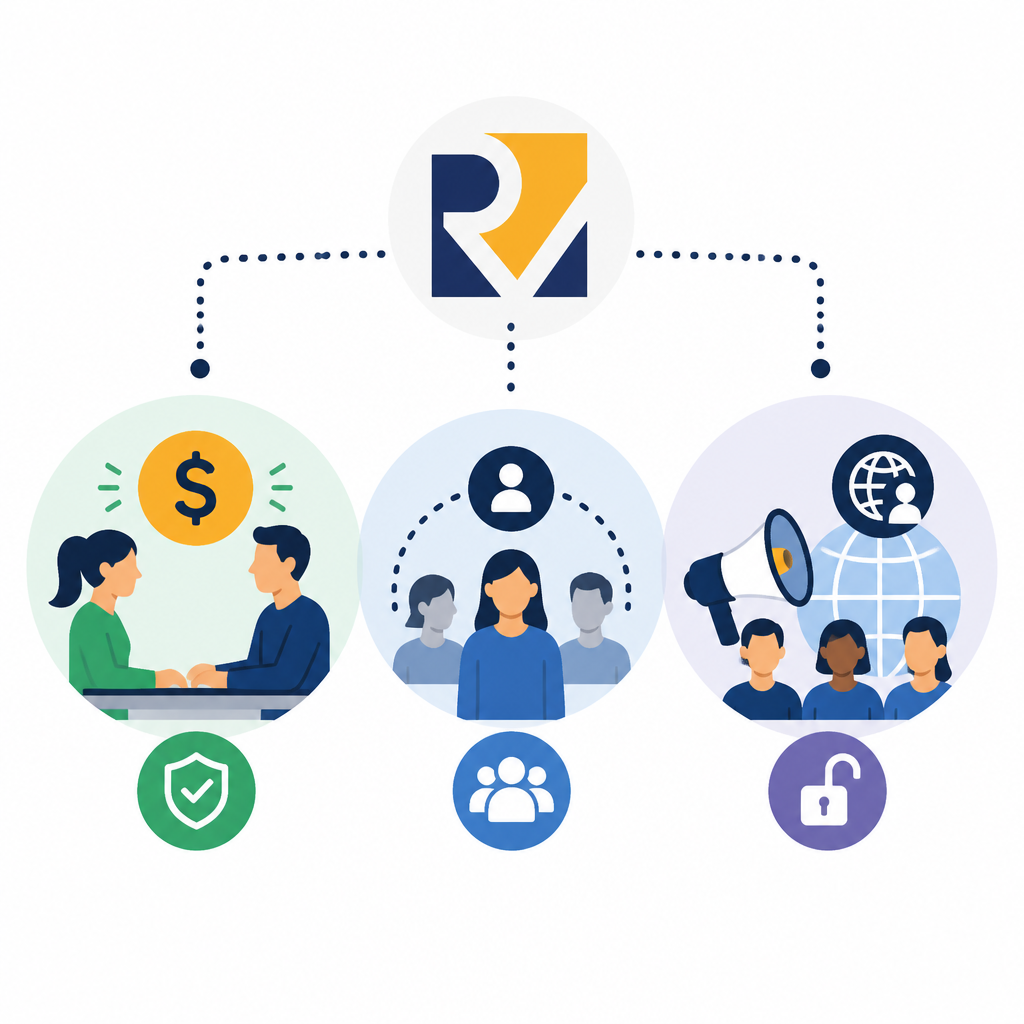
The seasonal cadence also prevents mentorship from becoming a permanent open door that never closes. By offering spring, summer, and fall sessions, RISC-V creates regular entry points without flooding the system. That matters because mentorship programs fail when they are either too rare to matter or too continuous to administer well. A recurring, public window gives the organization room to review proposals carefully and gives applicants a reason to prepare stronger submissions. It is a small operational choice with a big effect on quality.
The counter-argument
The obvious objection is that paid mentorships can distort motivation. Critics will say that once a stipend enters the picture, applicants optimize for compensation, sponsors treat mentees like cheap labor, and the educational mission gets diluted. There is a real danger there, especially in open-source ecosystems where labor can be quietly underpriced and where “mentorship” can become a convenient label for outsourced work.
There is also a fairness concern. The page notes that some additional mentees may participate without a stipend. That can look like a two-tier system, where only one person gets paid while others do similar work for experience. If unmanaged, that setup invites resentment and can reproduce the very access barriers the program is meant to reduce.
But that critique does not beat the model; it describes the limits that RISC-V has already tried to control. The program is tightly scoped, time-limited, and publicly funded by RISC-V International. It also distinguishes between the selected paid mentee and optional additional participants, which makes the arrangement legible instead of hidden. The answer is not to abandon stipends. It is to keep the work defined, the selection criteria clear, and the educational value explicit so the paid role remains a real contribution, not disguised labor.
What to do with this
If you are an engineer, PM, or founder in the RISC-V ecosystem, treat this program as a template: propose projects with a narrow deliverable, a real mentor time commitment, and a budget line for participation. Do not pitch “mentorship” unless you can name the artifact, the review path, and the success metric. If you are sponsoring work, use the three-month frame to solve one painful problem well, then publish the result so the next team can build faster. That is how mentorship becomes infrastructure.
// Related Articles
- [IND]
OpenAI’s Astra pause shows safety now shapes model releases
- [IND]
Anthropic is building custom AI chips for Claude
- [IND]
Moka AI Is a Stronger HRMS Choice for Growing Teams
- [IND]
August 2026 Market Review: AI Stocks Flipped Fast
- [IND]
Pixel 11 launch live: every Google reveal
- [IND]
Anthropic’s invisible watermark is the right move