Why dynamic leverage schedules are a sane risk control, not a trader …
VT Markets' temporary leverage cuts are a sensible way to reduce blowups during news and market opens.

VT Markets is right to cut leverage around news and market opens to curb avoidable blowups.
VT Markets’ weekly dynamic leverage schedule is not a sign of hostility to traders; it is a necessary risk control. The notice is explicit: leverage is reduced during high-impact data releases and around market open and close, with tighter caps on forex, gold, silver, oil, indices, and commodities. That policy targets the exact moments when spreads widen, liquidity thins, and price gaps become more likely. In other words, it protects both the firm and the trader from the kind of leverage-driven damage that happens fastest when markets are least orderly.
First argument: leverage should shrink when liquidity gets fragile
Get the latest AI news in your inbox
Weekly picks of model releases, tools, and deep dives — no spam, unsubscribe anytime.
No spam. Unsubscribe at any time.
The core logic is simple. When an FOMC decision, CPI print, or Non-Farm Payrolls release hits, the market does not behave like a normal five-minute candle. Liquidity providers pull back, quotes jump, and slippage can turn a small position into a large loss before a stop order fills. VT Markets’ schedule acknowledges that reality by reducing maximum leverage in the window around those events instead of pretending the market is equally stable at all times.

That matters because the notice does not apply a blanket restriction. It names specific products and specific windows: 15 minutes before and 5 minutes after economic announcements, plus opening and closing periods around the weekly and daily session transitions. This is a targeted rule, not a blunt one. A trader who wants to hold a position through a news release can still do so, but with less borrowed exposure. That is exactly how a broker should treat periods of elevated execution risk.
Second argument: the policy rewards discipline and punishes overconfidence
Dynamic leverage is a built-in reminder that leverage is not a right, it is a conditional privilege. The schedule lowers maximum leverage to 200 on forex, 100 on gold, 50 on silver, 10 on oil, 50 on indices, and 5 on commodities during the relevant windows. Those numbers force traders to size positions with the event in mind instead of assuming the platform will always support the same aggressive exposure. For anyone running a strategy that depends on stable execution, that is a feature, not a bug.
The added holiday rules strengthen the case. VT Markets says that if the next day is a full-day gold market holiday, Friday’s pre-close reduction also applies, and if the previous day is a full-day gold market holiday, the Monday rule extends after the open for several instruments. That is exactly the kind of operational detail traders routinely ignore until they get clipped by it. Markets do not care about convenience, and a broker’s job is to encode that fact into trading conditions before the gap or liquidity pocket appears.
The counter-argument
The best objection is that dynamic leverage can feel like a moving target. Traders build strategies around expected margin requirements, and sudden leverage changes can force unwanted liquidations or prevent new trades during the most important windows. There is also a fairness concern: if the rules change around major news, smaller traders may feel they are being pushed out precisely when volatility offers the best opportunity.
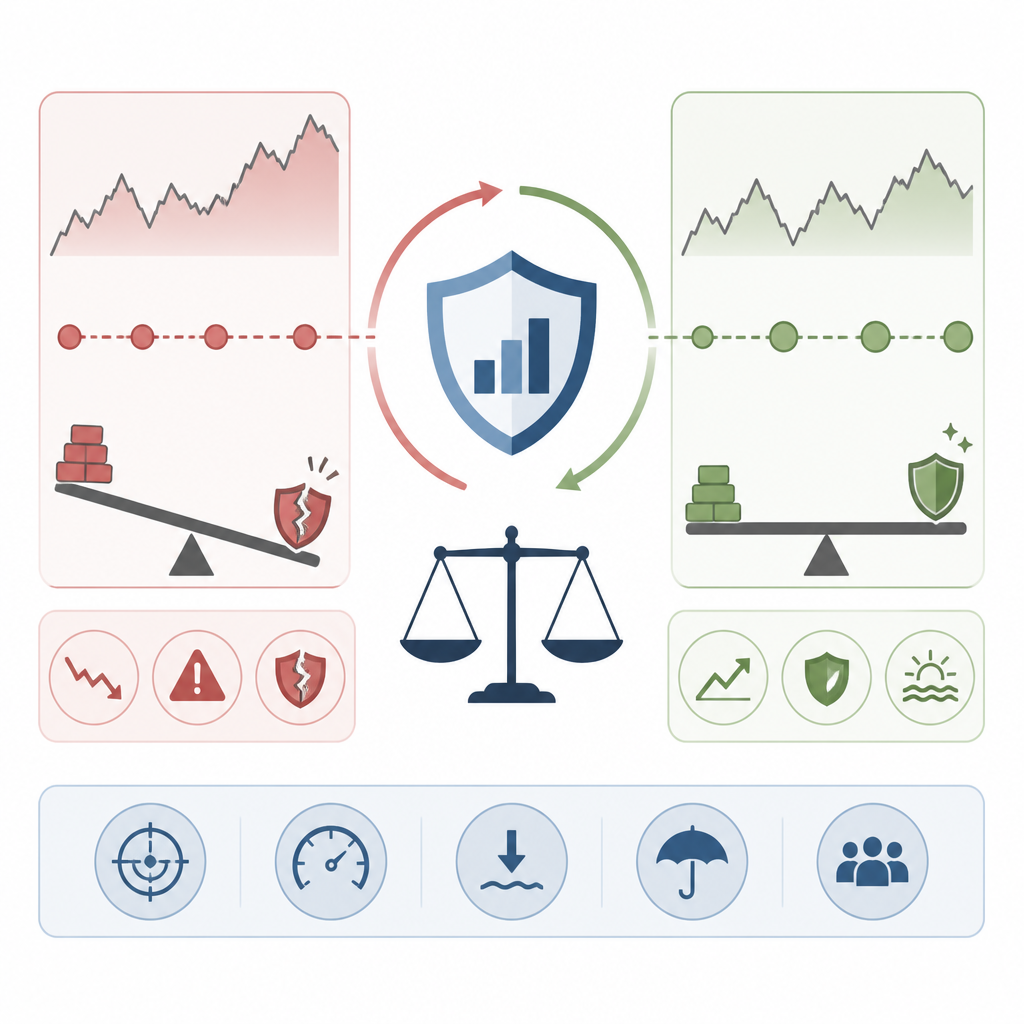
That criticism is serious, especially for short-term systems that depend on precise margin planning. But it does not defeat the policy. VT Markets publishes the rule in advance, ties it to known event categories, and limits the impact to new positions opened during the adjustment period. That is the right compromise. A transparent constraint is better than a hidden execution shock, and a leverage cap is far less harmful than letting traders discover, in real time, that a thin market has turned their risk model into fiction.
What to do with this
If you are an engineer building trading tools, a PM shaping a broker workflow, or a founder running a prop or brokerage business, treat dynamic leverage as a design pattern. Surface the schedule clearly, wire it into pre-trade checks, and show users the effective leverage before they click submit. Do not bury the rule in a FAQ. Make it machine-readable, calendar-aware, and impossible to miss. Traders do not need fewer rules; they need fewer surprises.
// Related Articles
- [IND]
WAIC 2026 turns AI hype into real work
- [IND]
KPMG’s OpenAI deal turns SaaS into agents
- [IND]
Trump adviser accuses Moonshot AI of stealing Anthropic
- [IND]
Vector databases will reshape financial search, not replace core syst…
- [IND]
Milvus 3.0 adds lake-native vector search
- [IND]
Google’s Q2 2026 results prove AI spend is now the story