Why Claude Code Should Use DeepSeek v4 for 1M Context
Claude Code should route through DeepSeek v4 when teams need 1M-context coding sessions.
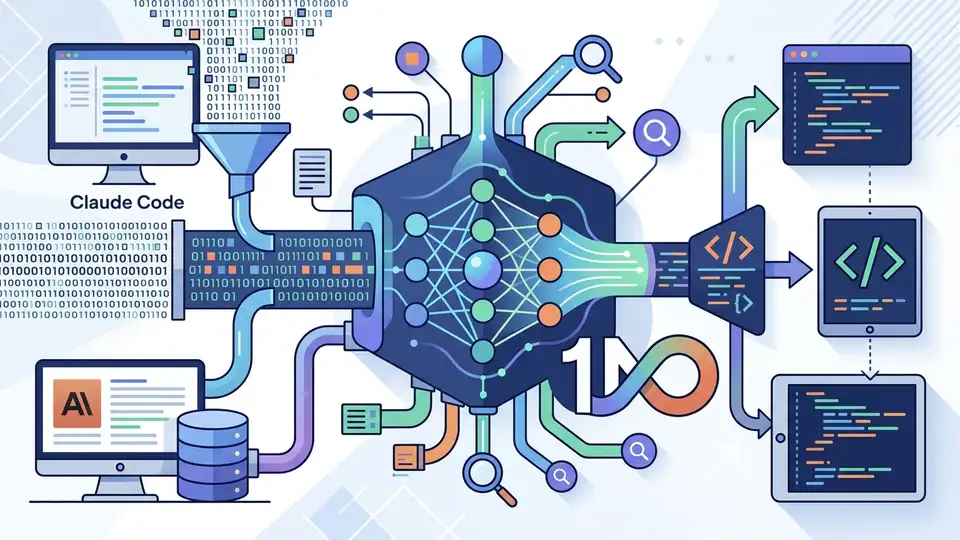
Claude Code should route through DeepSeek v4 for long-context coding sessions.
Claude Code users should point Anthropic-compatible traffic at DeepSeek v4 when they need 1M-token context, because the practical bottleneck in real work is not model brand loyalty but how much code, logs, and design history the model can hold at once. DeepSeek’s Anthropic-style endpoint makes the switch low-friction: set the base URL, set the auth token, and keep the same workflow. That matters more than the label on the model when a single refactor spans dozens of files, a long incident timeline, and multiple prior attempts.
First argument: context length beats brand familiarity
Get the latest AI news in your inbox
Weekly picks of model releases, tools, and deep dives — no spam, unsubscribe anytime.
No spam. Unsubscribe at any time.
In coding tools, context length is not a luxury feature. It is the difference between a model that can reason over an entire subsystem and a model that keeps forgetting the earlier constraints every few turns. A 1M window lets Claude Code carry architecture notes, failing tests, code diffs, and terminal output in one working set, which is exactly what long debugging and migration tasks need.
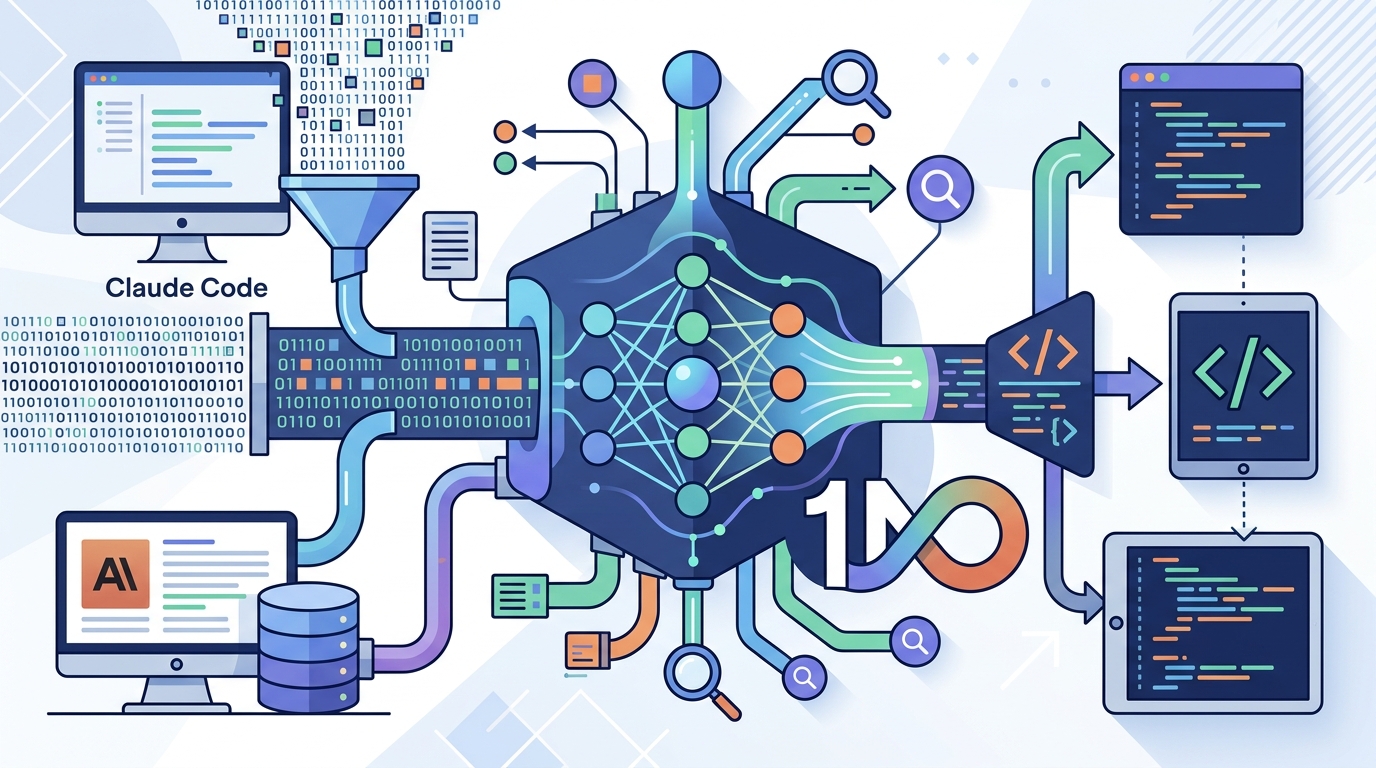
The evidence is simple: most serious coding sessions are not about one prompt and one answer. They are about an evolving thread of decisions. When the model can retain the full chain, it stops acting like a stateless autocomplete and starts behaving like a real pair programmer. That is why DeepSeek v4’s context jump is a meaningful upgrade for Claude Code users, not a novelty.
Second argument: compatibility lowers the cost of switching
The strongest reason to prefer DeepSeek v4 here is that the integration path is deliberately boring. If a tool already speaks Anthropic’s API shape, teams do not need to rewrite their editor setup, agent scripts, or wrapper code. Changing just ANTHROPIC_BASE_URL and ANTHROPIC_AUTH_TOKEN is a small operational move, not a platform migration.
That matters because adoption fails when the setup tax is high. Engineers tolerate better models when the switch is cheap and reversible. A compatible endpoint lets teams test DeepSeek v4 on real repositories, compare results against their current setup, and keep the same Claude Code habits. The result is faster evaluation and less organizational drag.
The counter-argument
There is a serious objection: Anthropic’s own models may still be stronger at code quality, instruction following, and tool use. Long context alone does not guarantee better outputs. A model can remember more and still make worse decisions, especially on subtle refactors, security-sensitive changes, or tasks that depend on precise reasoning rather than memory.
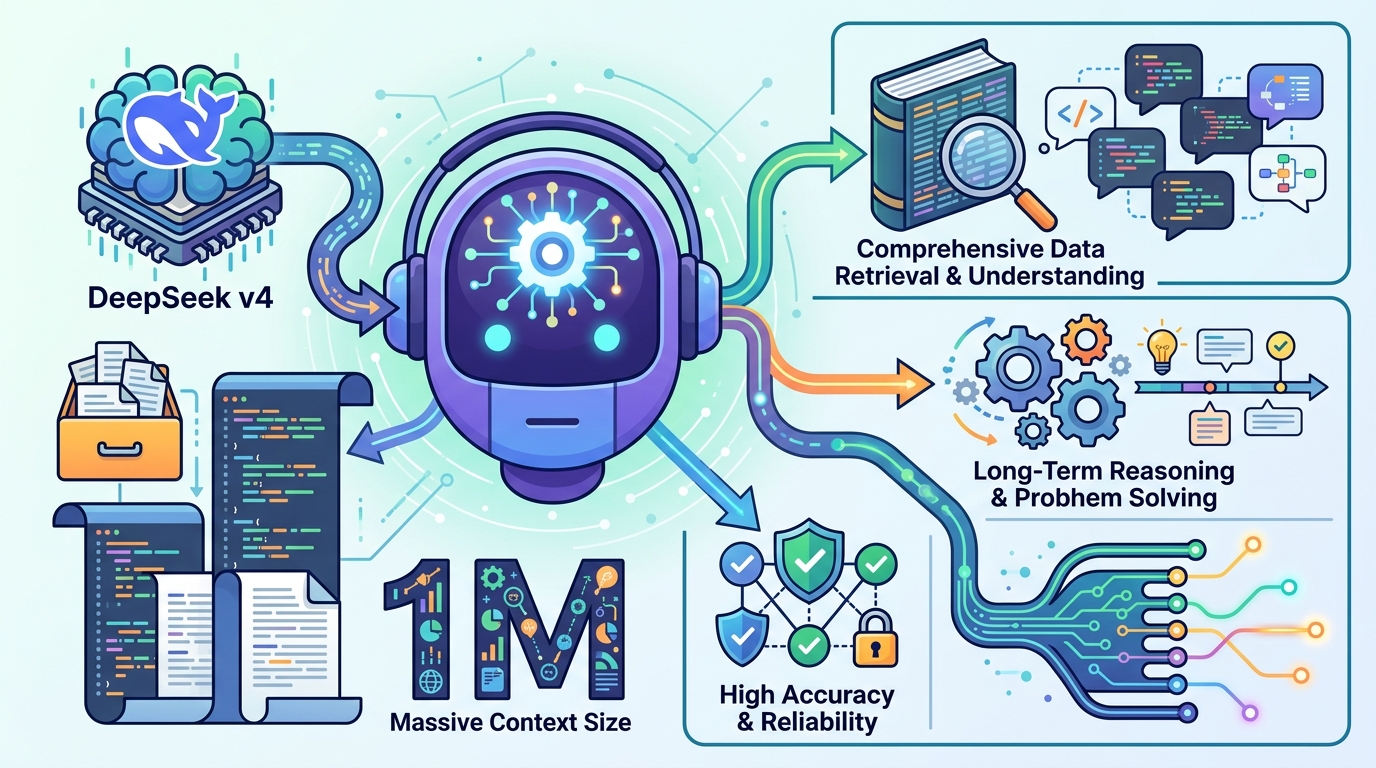
That critique is right to a point. Teams should not confuse a bigger window with automatic superiority. But for Claude Code users working on large repositories, the limiting factor is often not raw reasoning quality in the abstract. It is loss of context across a long session. DeepSeek v4 earns its place when the task demands breadth of memory first and perfect polish second.
What to do with this
If you are an engineer, treat DeepSeek v4 as the default experiment for long-horizon Claude Code work: wire up the Anthropic-compatible endpoint, benchmark it on one real repo, and measure whether fewer context resets produce better fixes, fewer retries, and cleaner diffs. If you are a PM or founder, optimize for workflows, not brand names. The right question is not which model sounds best in a launch post, but which model keeps the team moving when the task spans hundreds of thousands of tokens.
// Related Articles
- [TOOLS]
Use Consensus AI for faster literature scouting
- [TOOLS]
15 Perplexity prompts for better research decisions
- [TOOLS]
Mistral AI Models 2026 for Builders
- [TOOLS]
RustRover 2026.2 turns Rust setup into one file
- [TOOLS]
Geekbench 7 setup for realistic CPU and GPU tests
- [TOOLS]
Spark 4.2 turns AI search into SQL