4 ways Microsoft is building agentic apps
4 Microsoft Build updates show how Fabric, Rayfin, HorizonDB, and PostgreSQL tools simplify agentic app development.
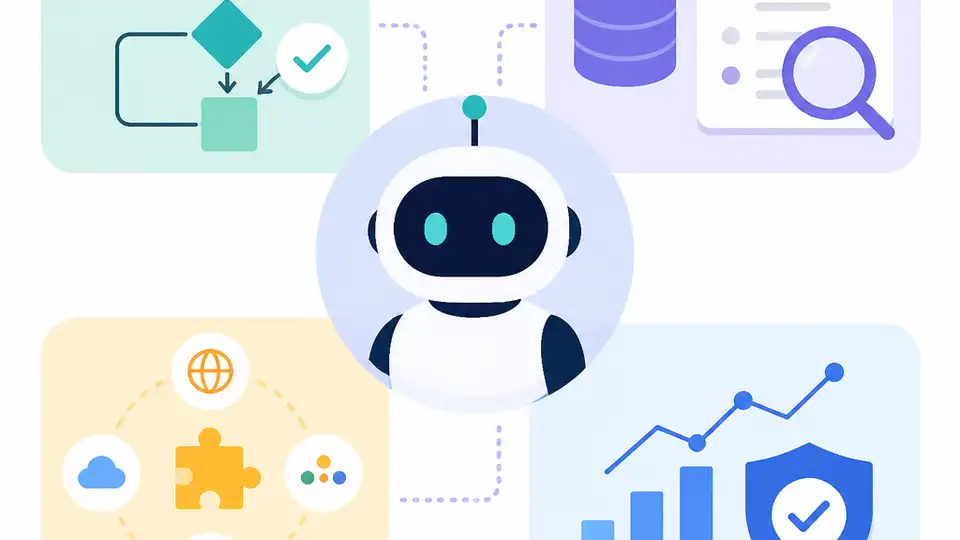
Microsoft is adding Fabric, Rayfin, HorizonDB, and PostgreSQL tools for agentic app development.
Microsoft Build 2026 points to a simpler path for agentic apps: one shared data layer, one backend path, and fewer moving parts. HorizonDB can scale to 128 TB, which shows how far Microsoft is pushing AI-ready infrastructure.
| Item | Type | Notable spec |
|---|---|---|
| Microsoft Fabric | Unified data and AI platform | Shared context across analytics, operational, and real-time data |
| Rayfin | SDK and CLI | Deploys directly to Fabric with database, auth, and backend logic |
| Azure HorizonDB | PostgreSQL database | Up to 128 TB storage, up to 3,072 vCores, sub-millisecond multi-zone commit latency |
| Azure Database for PostgreSQL | Managed PostgreSQL service | Defender for Cloud integration and new migration tooling |
1. Microsoft Fabric
Get the latest AI news in your inbox
Weekly picks of model releases, tools, and deep dives — no spam, unsubscribe anytime.
No spam. Unsubscribe at any time.
Microsoft Fabric is the anchor for the whole story. The post frames it as the shared data and AI platform that helps new agents stop starting from zero and instead build on the same business context.
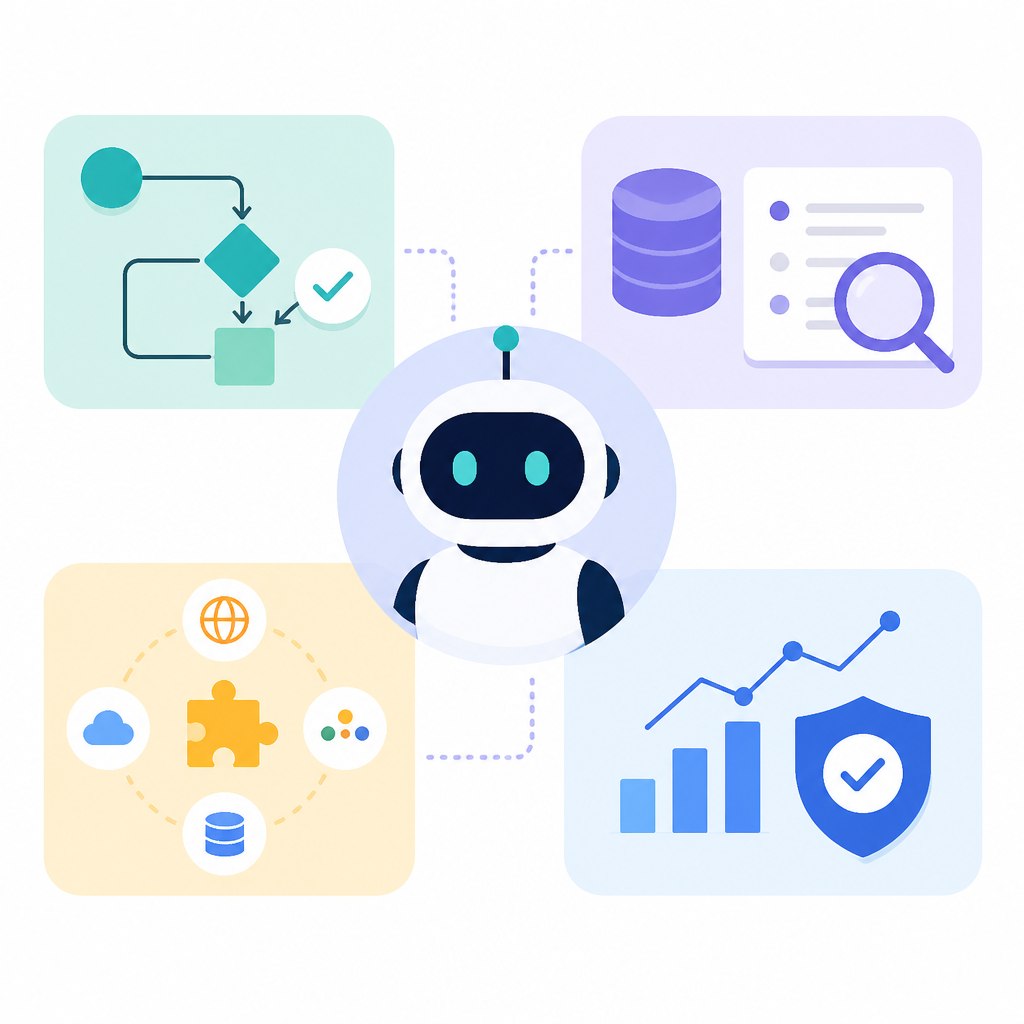
That matters because agentic systems fail when data is fragmented. Fabric puts data, analytics, operational signals, and AI engines in one place, so teams can move from experiments to production with less glue code.
- Shared organizational context for multiple agents
- OneLake as the landing zone for app data
- Built to connect with semantic models and visuals
2. Rayfin
Rayfin is the new SDK and CLI meant to turn prompt-driven app ideas into a working backend. Microsoft says it can generate an enterprise-grade application backend with database, authentication, and more, then deploy it directly to Fabric.
For developers, the appeal is speed without giving up control. Rayfin keeps the workflow code-first and GitHub-based, so data models, backend logic, and access policies stay programmable instead of hidden in a separate tool.
- Open-source SDK and CLI
- Backend generation for database and auth
- Direct deployment to Fabric
- GitHub-based workflow for code-defined policies
3. Azure HorizonDB
Azure HorizonDB is Microsoft’s new PostgreSQL option for AI-powered applications, now in public preview. It keeps PostgreSQL compatibility but adds the kind of scale and latency profile that agentic systems need when they are serving live users and live workflows.
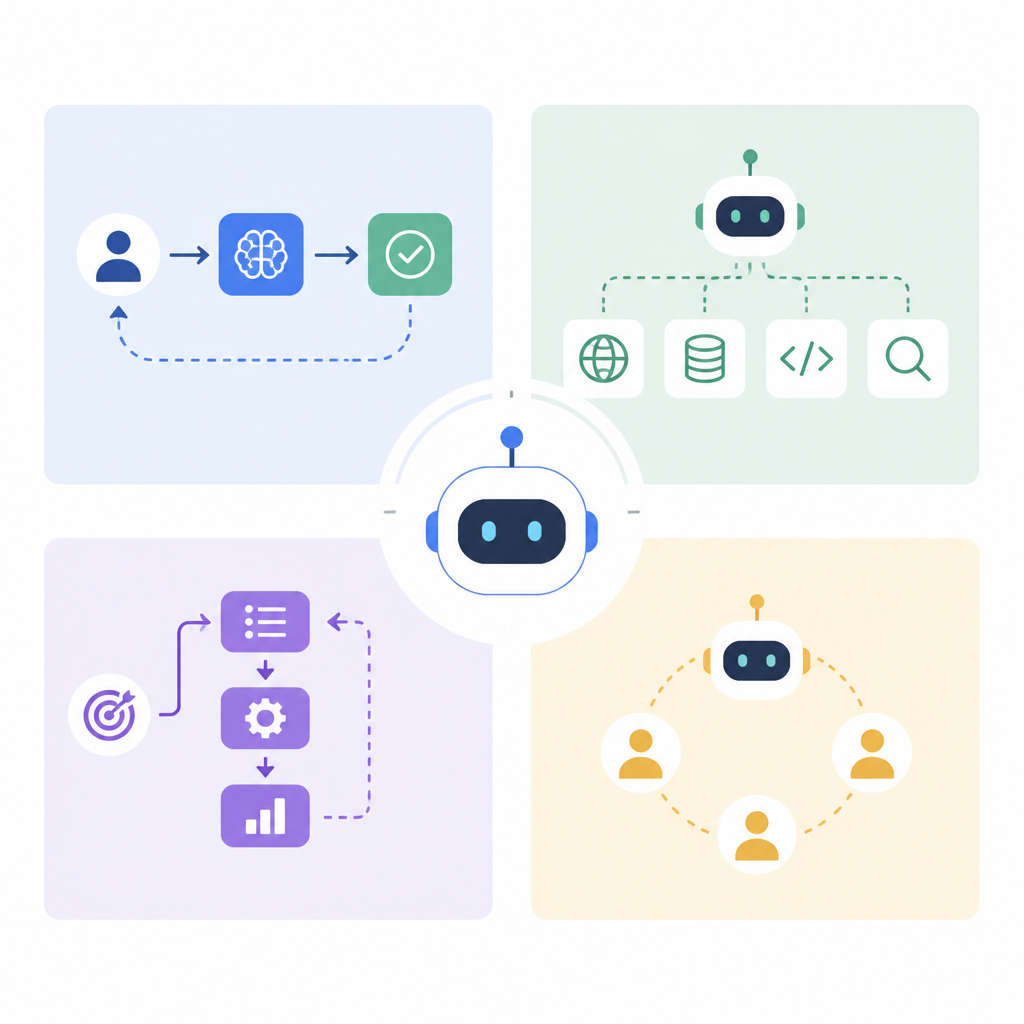
The specs are the headline: elastic storage up to 128 TB, scale-out compute up to 3,072 vCores, zone resilience by default, and sub-millisecond multi-zone commit latency. Microsoft also adds vector search, integrated AI model management, and direct connectivity to Microsoft Foundry and Fabric.
- PostgreSQL-compatible and fully managed
- Public preview availability
- Elastic storage up to 128 TB
- Scale-out compute up to 3,072 vCores
- Vector search and AI model management
4. Azure Database for PostgreSQL
Azure Database for PostgreSQL is the steadier modernization path for teams that already run PostgreSQL and want more security and migration support. The post positions it as the trusted base for existing workloads while HorizonDB handles newer AI-heavy use cases.
The update adds Microsoft Defender for Cloud integration in preview, plus migration tooling that helps teams move and operate PostgreSQL systems with more visibility. If your goal is to improve what you already have, this is the lower-friction option.
- Managed PostgreSQL for existing workloads
- Defender for Cloud integration in preview
- New security and compliance coverage
- Migration tooling for modernization
How to decide
If you want a shared foundation for many agents, start with Microsoft Fabric. If you need a fast path from idea to deployable backend, Rayfin is the most direct fit. If your app needs AI-friendly PostgreSQL with serious scale, HorizonDB is the stronger bet.
For teams protecting an existing PostgreSQL estate, Azure Database for PostgreSQL is the safest upgrade path. In short: Fabric for shared context, Rayfin for app assembly, HorizonDB for new AI workloads, and PostgreSQL for modernization.
// Related Articles
- [IND]
Anthropic's IPO rumor turns into a market watch
- [IND]
Anthropic should not become dependent on Meta for compute
- [IND]
Mistral's robotics model cuts indoor navigation costs
- [IND]
Mistral missile: France’s short-range air defense workhorse
- [IND]
Apple Reclaims No. 1 by Market Cap as AI Costs Spike
- [IND]
Kimi K3 could pressure the middle tier of AI models