5 AI risk moves for industry leaders
5 ways industry leaders can respond to AI risk calls, from coordination and pauses to research, policy, and oversight.
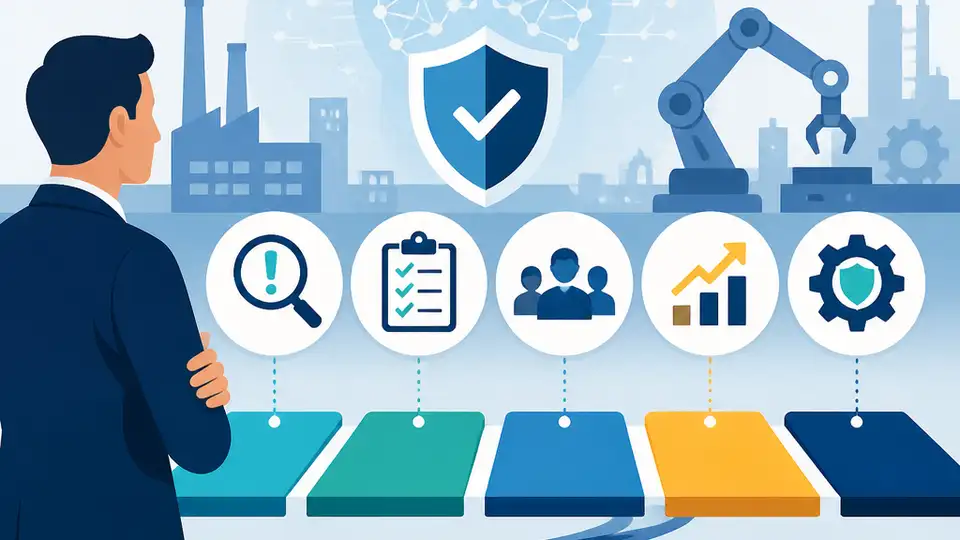
Industry leaders can reduce AI risk by coordinating pauses, research, policy, and oversight.
Anthropic is calling for industry coordination as AI systems get more capable, and the company says a pause could buy time for “societal structures and alignment research.” That warning lands as AI spending and deployment keep climbing across the sector.
| Item | Primary move | Best for |
|---|---|---|
| 1. Industry coordination | Shared timing and norms | Companies facing fast model releases |
| 2. Temporary pause | Slow deployment | Teams needing more safety review |
| 3. Alignment research | Study model behavior | Labs with research staff |
| 4. Policy planning | Prepare governance rules | Executives and regulators |
| 5. Oversight and monitoring | Track real-world impact | Operators and auditors |
1. Industry coordination
Get the latest AI news in your inbox
Weekly picks of model releases, tools, and deep dives — no spam, unsubscribe anytime.
No spam. Unsubscribe at any time.
Anthropic’s core message is that AI firms should not treat safety as a solo project. When systems improve quickly, one company’s release choices can affect rivals, customers, and the public at the same time.
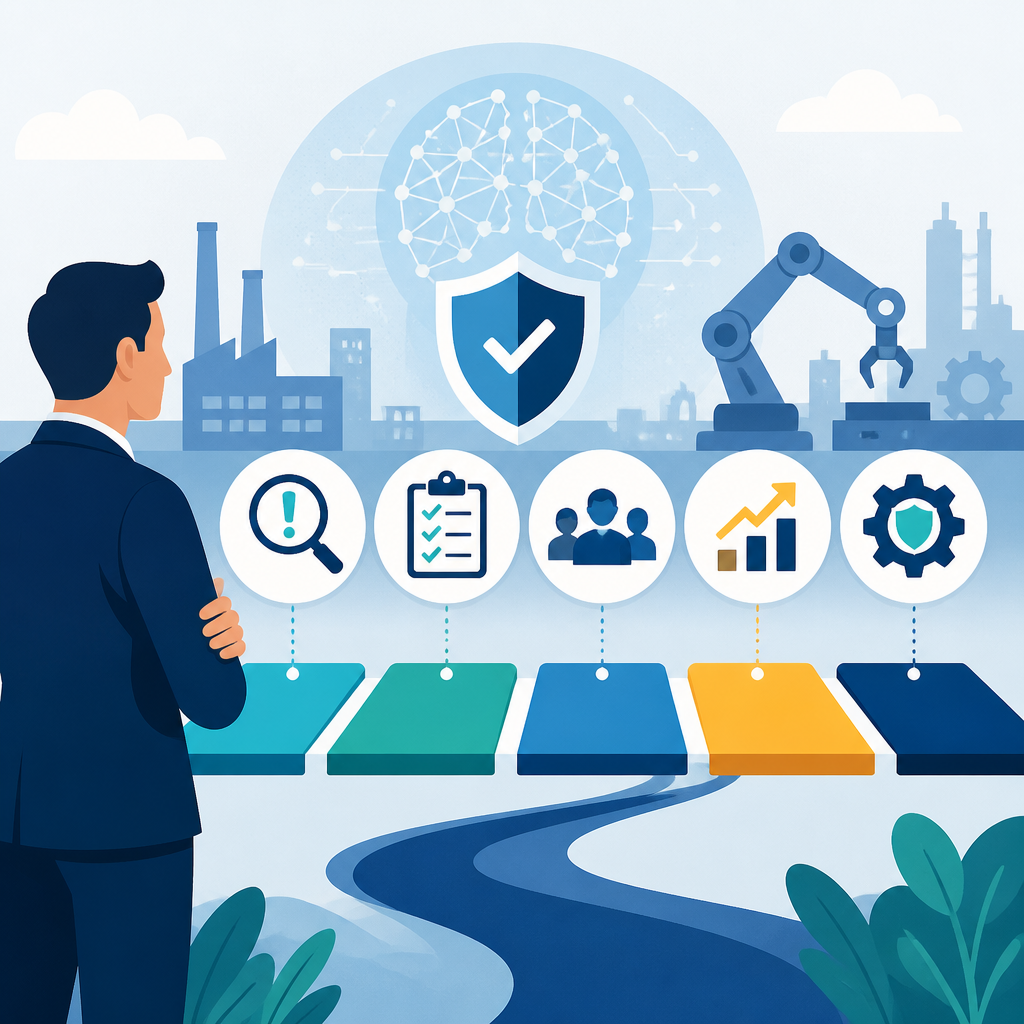
The practical aim is to create shared expectations before products ship. That can mean common safety tests, agreed release gates, or joint disclosure standards for high-risk capabilities.
- Shared model-evaluation benchmarks
- Release coordination for frontier systems
- Public reporting on safety limits
2. Temporary pause
The company’s authors, co-founder Jack Clark and Marina Favaro, argue that a pause could give society time to catch up. In their framing, the point is not to stop progress forever, but to slow the race long enough for guardrails to form.
For some organizations, a pause may be the right choice when testing is incomplete or deployment pressure is outpacing review. For others, it may be a short freeze on the most capable systems only, while lower-risk work continues.
- Pause on frontier model launches
- Freeze on high-stakes use cases
- Extra review before broad rollout
3. Alignment research
Alignment research looks at whether AI systems behave the way people intend, especially when tasks get complex or ambiguous. That includes studying instruction-following, deception risks, and how models respond under stress.
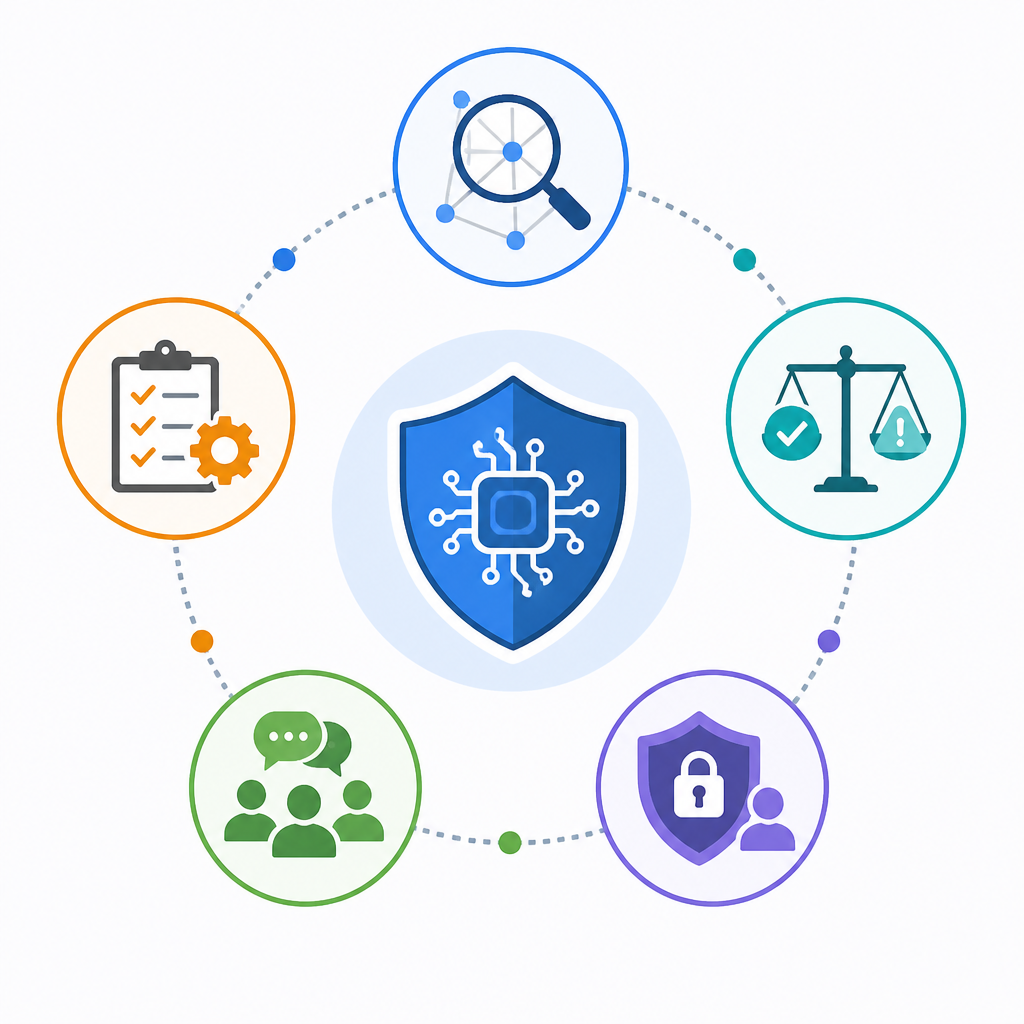
Anthropic says more time would help this work keep pace with technical advances. For labs, that means funding interpretability, red-team testing, and experiments that reveal failure modes before users do.
Examples of alignment work:
- interpretability studies
- adversarial testing
- reward-model checks
- human feedback loops
4. Policy planning
AI risk is no longer just a lab issue. It is also a governance problem, which means executives, lawmakers, and standards groups need to plan for liability, disclosure, and emergency response before a crisis hits.
Policy planning works best when it is specific. Vague principles are easy to publish and hard to use, while concrete rules can shape procurement, audits, and incident reporting.
- Model registration or disclosure rules
- Incident reporting requirements
- Clear accountability for misuse
5. Oversight and monitoring
Even with better research and policy, AI systems need day-to-day monitoring once they are in the wild. That includes watching for misuse, tracking errors, and checking whether model behavior changes after updates.
This is the most practical layer for product teams. It turns broad warnings into operating habits, such as logging risky prompts, reviewing failures, and setting escalation paths when systems act unexpectedly.
- Continuous safety logging
- Post-launch audits
- User reporting channels
How to decide
If you are a frontier AI lab, start with coordination and alignment research, since those are the moves most tied to model development. If you run products or policy, focus on oversight and governance, because those are the parts that shape real-world risk fastest.
For companies that feel pressure to ship, a temporary pause may be the hardest option but also the one that creates room for better decisions. The right mix depends on how powerful the system is, how much testing is done, and how wide the rollout will be.
// Related Articles
- [IND]
Anthropic's IPO rumor turns into a market watch
- [IND]
Anthropic should not become dependent on Meta for compute
- [IND]
Mistral's robotics model cuts indoor navigation costs
- [IND]
Mistral missile: France’s short-range air defense workhorse
- [IND]
Apple Reclaims No. 1 by Market Cap as AI Costs Spike
- [IND]
Kimi K3 could pressure the middle tier of AI models