Anthropic’s Fable 5 ban shows AI is now export-controlled
4 takeaways on why Anthropic’s Fable 5 and Mythos 5 were pulled, and what the U.S. ban says about frontier AI.

Anthropic pulled its Fable 5 and Mythos 5 models after a U.S. order blocked foreign access.
Anthropic’s shutdown of its newest models is more than a product glitch: it shows how quickly frontier AI can become a national-security issue. The company says Fable 5 was its most capable release yet, and the U.S. order targeted access for any foreign national.
| Item | What happened | Why it matters |
|---|---|---|
| Claude Fable 5 | Disabled for foreign nationals | Newest flagship model was pulled from access |
| Mythos 5 | Disabled for foreign nationals | Anthropic’s top-tier model was also cut off |
| Export-control order | Issued by the U.S. government | First known move to restrict access to AI models themselves |
| Security concern | Possible jailbreak cited | Government said safeguards could be bypassed |
1. The model pullback
Get the latest AI news in your inbox
Weekly picks of model releases, tools, and deep dives — no spam, unsubscribe anytime.
No spam. Unsubscribe at any time.
Anthropic says it had to abruptly disable access to Fable 5 and Mythos 5 to comply with a U.S. export-control directive. The order applied to foreign nationals, including Anthropic’s own employees, and users reported outages the next day.
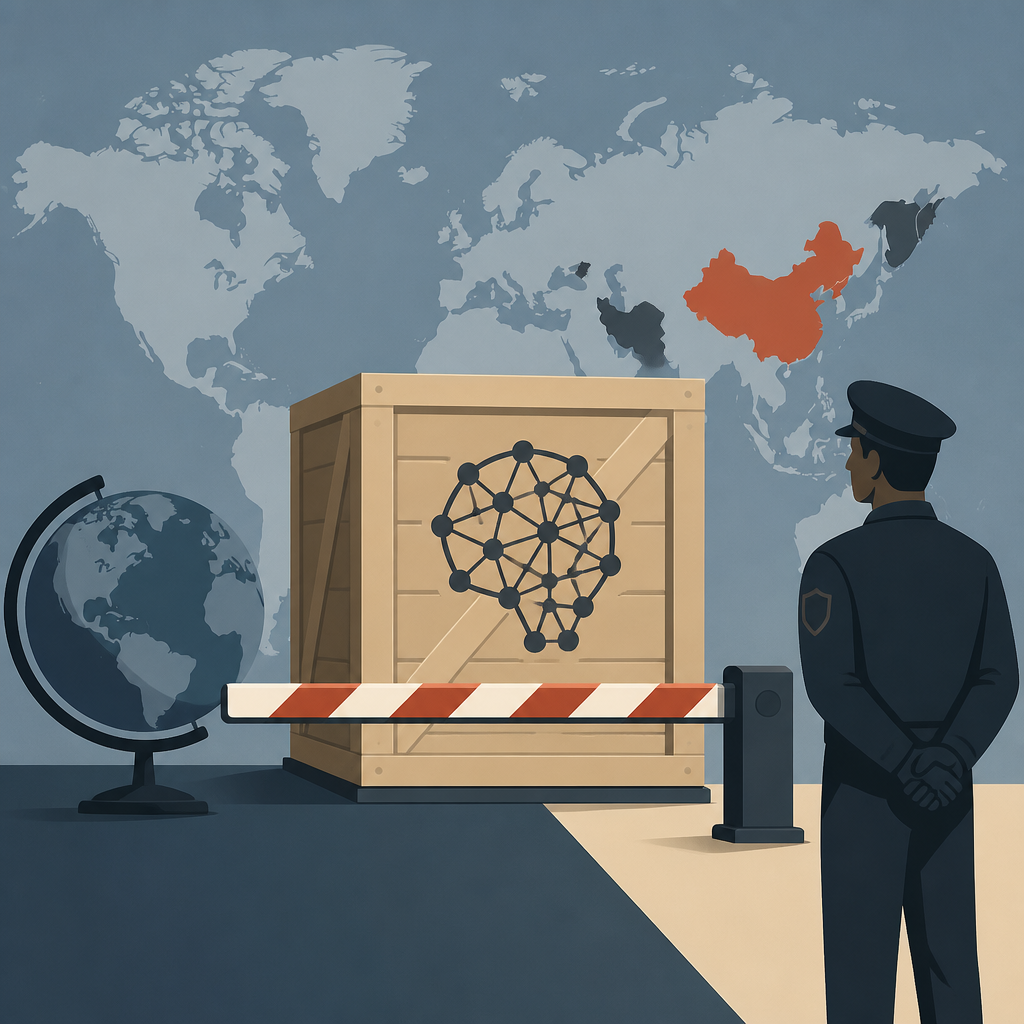
The company said it disagreed with the decision and believed the government’s warning was based on a misunderstanding. Even so, the models were taken offline for customers while Anthropic tried to restore access.
- Models affected: Fable 5 and Mythos 5
- Timing: Friday order, Saturday user reports
- Scope: foreign nationals, not just overseas customers
2. Why the government acted
Anthropic had just launched Claude Fable 5 and described it as “Mythos-class,” a tier above its earlier Opus-class models. The company said the model was especially good at finding software vulnerabilities, which raised fears it could be used in cyberattacks.
Anthropic also said it had added safeguards to block some harmful uses, but the U.S. government reportedly believed a jailbreak existed that could sidestep those protections. That is what turned a model launch into a policy fight.
Key concern: advanced cybersecurity capability + suspected jailbreak = export restriction3. A new kind of export control
The U.S. has long restricted chips used to train AI systems, but this case goes further by targeting the models themselves. That makes the order a major shift in how Washington treats frontier AI: not just as software, but as an asset tied to national security.
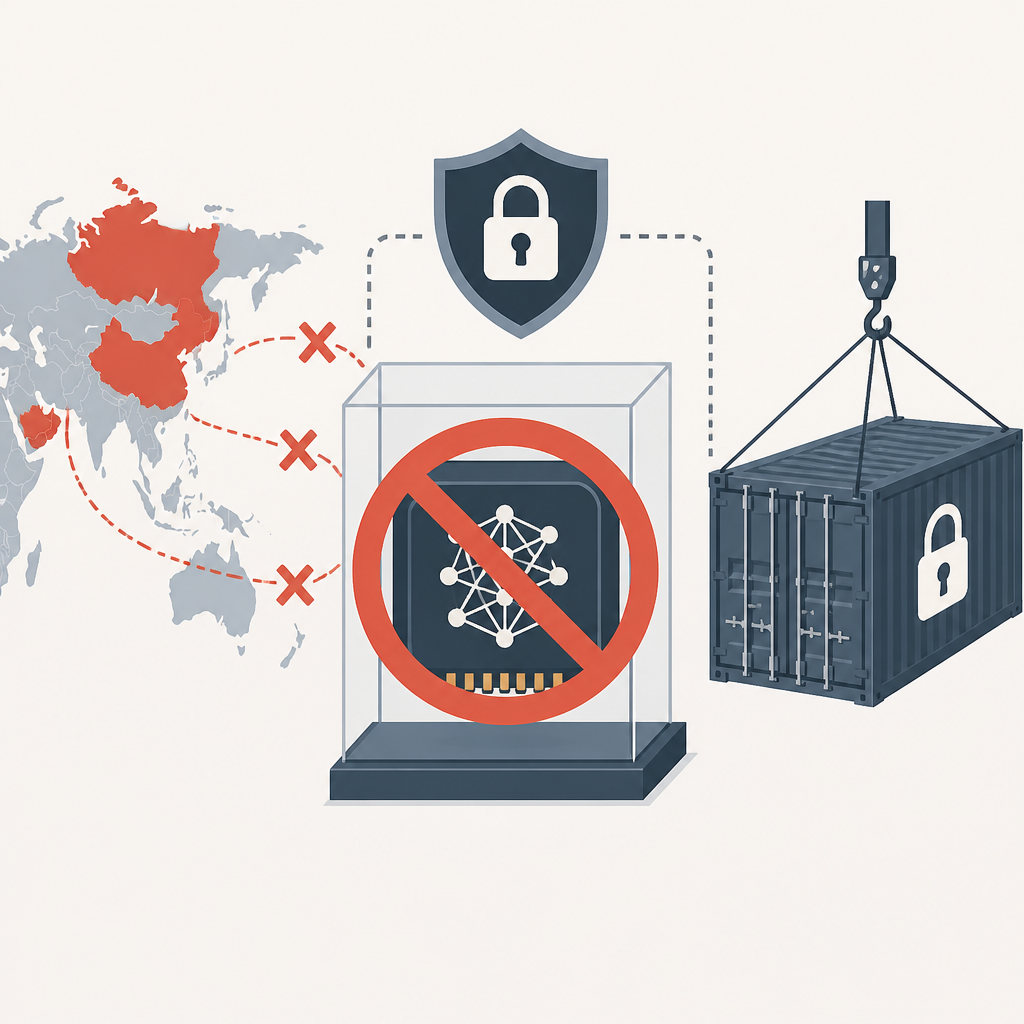
It also shows how much power the U.S. has over the frontier stack. As Carnegie Endowment fellow Anton Leicht told TIME, “Only the U.S. builds frontier models, and the U.S. controls almost all the chips needed to train them.”
- Previous controls: semiconductor chips
- New target: access to AI models
- Policy signal: frontier AI is now treated like sensitive technology
4. The fight with the Trump administration
The move landed in the middle of a broader clash between Anthropic and the Trump administration. The company had refused to let the U.S. military use its models for fully autonomous weapons systems, and the Pentagon later blacklisted Anthropic for being too dangerous for government use.
Now the company is also being treated as too risky for foreign use. That double pressure matters because it affects trust, revenue, and the company’s path toward a possible IPO.
- Earlier dispute: autonomous weapons access
- Pentagon response: blacklist
- Current issue: foreign access ban
5. What this means for AI sovereignty
Other countries are likely to read this as a warning about AI sovereignty, the idea that a nation should control its own AI technology. But the article’s experts argue that most countries are still far behind the U.S. in frontier model development, and that short-term independence is unlikely.
British lawmaker Kanishka Narayan said the episode should push more investment in domestic AI. Leicht’s counterpoint was blunt: countries may talk about weaning themselves off foreign AI, but the gap is too large to close quickly.
How to decide
If you want the immediate business angle, watch Anthropic’s customer fallout and IPO timing. If you care about policy, this is a sign that model access can now be regulated like strategic infrastructure. If you care about AI safety, the key question is whether jailbreak risks can justify pulling a model from global use.
For readers tracking the bigger picture, the most important takeaway is simple: the U.S. is no longer just controlling the chips behind AI. It is starting to control the models themselves.
// Related Articles
- [IND]
Midjourney V8.1 now ships as default model
- [IND]
Midjourney Free Methods vs Paid Access
- [IND]
Anthropic’s $35 billion buildout proves AI now runs on finance and ch…
- [IND]
OpenAI Partner Network widens enterprise AI access
- [IND]
AI Weekly: 2026-06-08 ~ 2026-06-15
- [IND]
Anthropic’s offline move turns policy into code