Why Congress Should Treat Fraud Cuts as Tax Relief, Not Cruelty
Congress should treat anti-fraud cuts as tax relief for working families, not as a fight over compassion.
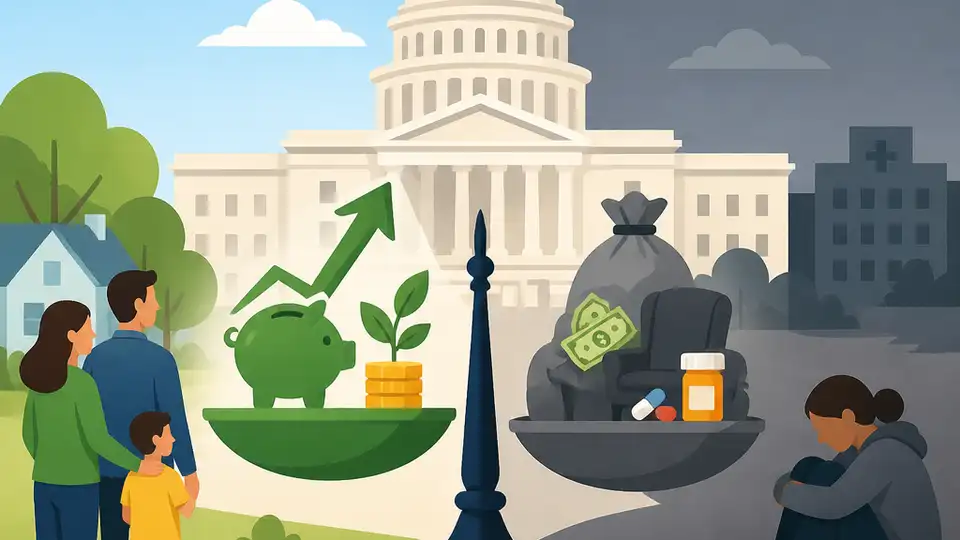
Congress should treat anti-fraud cuts as tax relief for working families, not as a fight over compassion.
Congress should stop framing anti-fraud enforcement as a battle between helping vulnerable people and protecting taxpayers, because the real divide is between legitimate benefits and organized theft.
Steve Scalise’s case is blunt: if fraudsters siphon off public money, working families pay twice, once in taxes and again in lost services. His example is not abstract. He points to a Minnesota fraud case tied to $42 million allegedly taken under the cover of feeding needy children, and he argues that money should have stayed with taxpayers or reached the people the program was designed to serve.
Fraud is not a side issue, it is the budget issue
Get the latest AI news in your inbox
Weekly picks of model releases, tools, and deep dives — no spam, unsubscribe anytime.
No spam. Unsubscribe at any time.
Scalise’s first argument is that fraud is large enough to shape policy, not just ethics. He says the problem is not measured in thousands or even millions, but in billions stolen every year. That matters because even a modest reduction in fraud can free up serious money without cutting a single legitimate benefit.
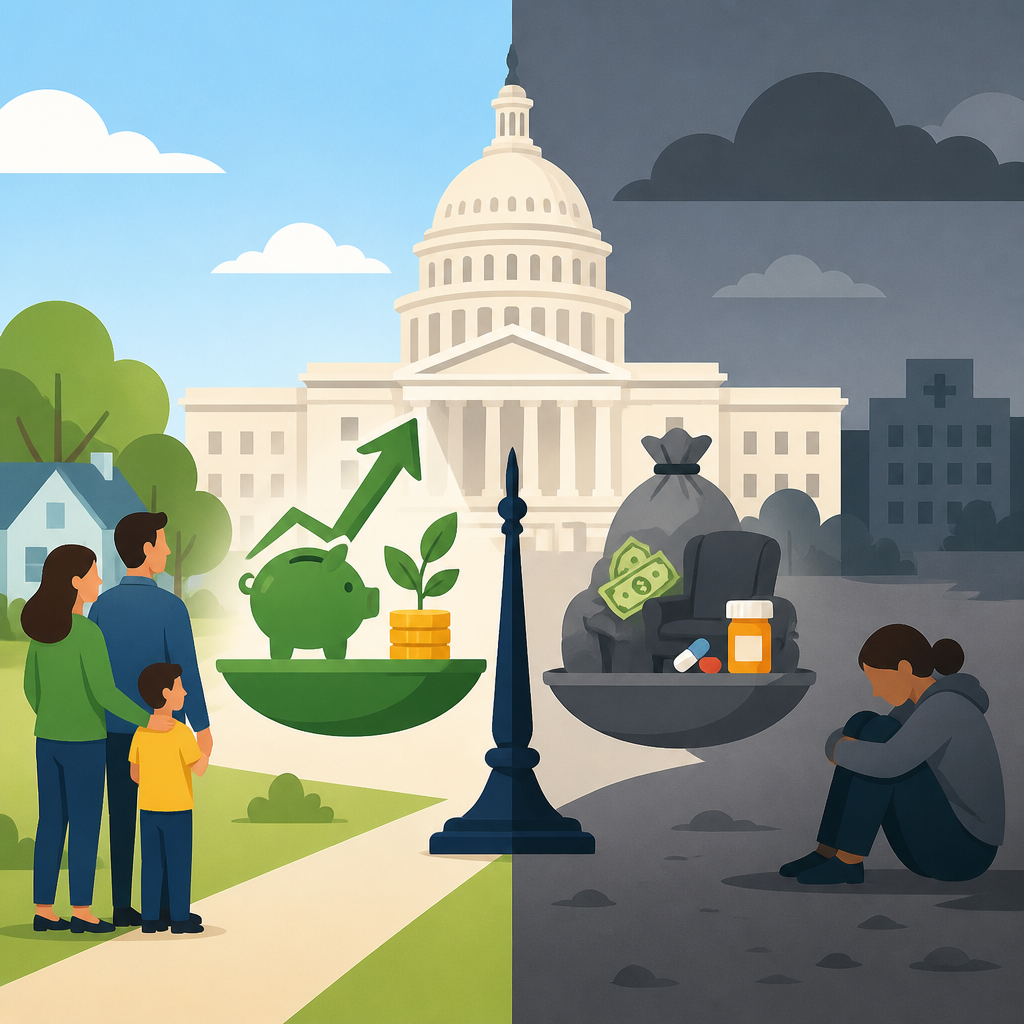
The policy example he uses is the “One Big Beautiful Bill,” where Republicans paired tax relief for tips and overtime with fraud-prevention provisions. That pairing is the point. If savings from stopping abuse can fund lower taxes for blue-collar workers, then anti-fraud work is not an austerity move. It is a redistribution of money from criminals back to the people who earned it.
Programs fail when lawmakers refuse to police them
Scalise’s second argument is about incentives. If Congress designs aid programs but refuses to enforce them, it invites abuse and then blames the program when the abuse becomes visible. He cites what Republicans call “learning centers” and says Democrats resist reforms even when the evidence shows the systems are being gamed.
The concrete claim here is that some fraud is so blatant it should collapse partisan hesitation. He says Dr. Oz estimates more than $100 billion in durable medical equipment and hospice fraud alone. Even if that estimate is narrowed by auditors later, the scale still supports his broader point: enforcement failures are not edge cases, they are structural leaks. A program that cannot detect theft loses public trust fast.
Working families lose when fraud becomes the default defense
Scalise’s third argument is moral and political: Democrats, in his telling, shield fraud by wrapping it in sympathy for children, seniors, or the poor. That tactic works rhetorically because no one wants to sound indifferent to need. But he argues that the real victims of fraud are the very people politicians claim to protect.
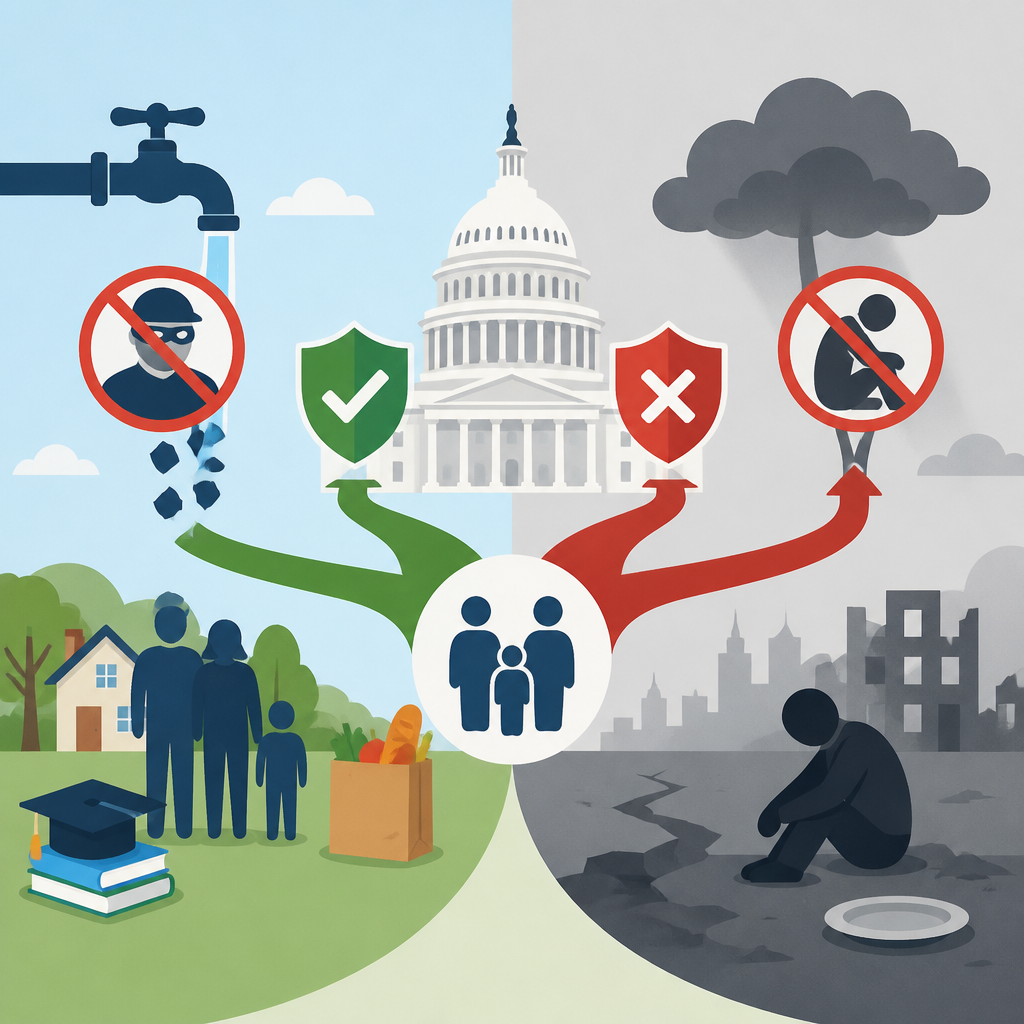
The Minnesota TANF case is his sharpest example. A fraudster allegedly took $42 million while presenting the scheme as aid for hungry children. That is why Scalise insists the answer is not to defend the program’s reputation at all costs. The answer is to separate the legitimate recipients from the thieves, recover the money, and send the thieves to prison. If lawmakers refuse to make that distinction, they turn compassion into cover for theft.
The counter-argument
The strongest case against Scalise is that aggressive fraud crackdowns can become a pretext for cutting aid or erecting barriers that punish eligible families. Anti-fraud rules can add paperwork, delay benefits, and create fear among people who need help most. Critics are right to warn that the poorest households often have the least ability to navigate new verification systems, and a bad enforcement regime can reduce access faster than it reduces fraud.
That concern deserves real weight. A fraud policy that saves money by making legitimate recipients jump through endless hoops is a bad policy. But that is not an argument against enforcement itself. It is an argument for targeted enforcement, better data matching, and harsher penalties for organizers rather than blanket suspicion of beneficiaries. Scalise is right on the core point: when a single scheme can allegedly pull tens of millions from a safety-net program, refusing to tighten controls is not compassion. It is negligence.
What to do with this
If you are an engineer, PM, or founder building systems that touch public funds, design for verification from day one: audit trails, anomaly detection, identity checks, and fast escalation paths for suspicious claims. If you are in government, pair every new benefit with measurable fraud controls and publish the savings. If you are a founder selling to agencies, stop pitching “frictionless” as the highest virtue. In public systems, the best product is the one that gets money to the right people and makes theft expensive.
// Related Articles
- [IND]
Anthropic's IPO rumor turns into a market watch
- [IND]
Anthropic should not become dependent on Meta for compute
- [IND]
Mistral's robotics model cuts indoor navigation costs
- [IND]
Mistral missile: France’s short-range air defense workhorse
- [IND]
Apple Reclaims No. 1 by Market Cap as AI Costs Spike
- [IND]
Kimi K3 could pressure the middle tier of AI models