Decentralized AI compliance should be built into agent rails, not bol…
Decentralized AI compliance must live inside wallets, rails, and agent identity layers.

165 million agent transactions prove compliance must move into the rails.
Decentralized AI compliance should be built into agent rails, not bolted on after the fact.
By April 2026, Coinbase’s Agentic Wallet had processed 165 million agent transactions and $50 million in volume, while Amazon Bedrock’s AgentCore Payments pushed the same pattern into enterprise workflows. That is not a lab demo. It is proof that autonomous wallets are already moving real money at machine speed, and manual review cannot keep up.
Agent activity has already outgrown human review
Get the latest AI news in your inbox
Weekly picks of model releases, tools, and deep dives — no spam, unsubscribe anytime.
No spam. Unsubscribe at any time.
Traditional compliance is built around people, not software agents. A human clicks, a team checks, a report follows. Agentic wallets break that model because they can initiate, route, and settle payments continuously, with no natural pause for a compliance analyst to step in.
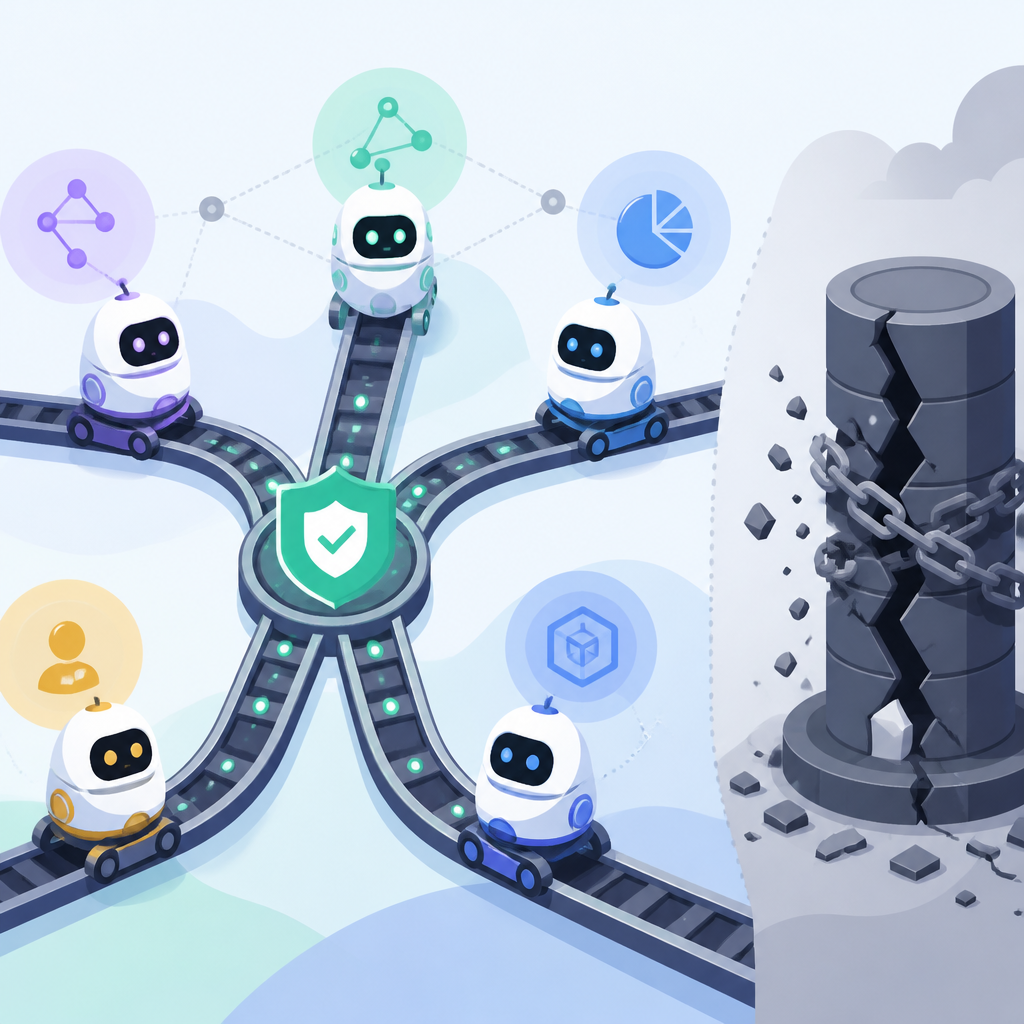
The practical result is simple: if controls sit only at the back office, they arrive too late. A wallet that can spend, a network that can carry metadata, and an application that can define policy all need to enforce rules at the moment of action. That is why layered controls are the only serious answer to decentralized AI compliance.
Standards are finally giving teams something enforceable
ERC-8004 went live in February and quickly drew more than 10,000 on-chain agent registrations. That matters because identity is the first prerequisite for accountability. If an autonomous agent cannot be tied to a known persona, then every downstream policy becomes guesswork.
x402 and ERC-8183 extend that foundation in different ways. x402 preserves authenticated payment metadata across chains, while ERC-8183 proposes escrow for autonomous jobs until verifiable completion. Together, they give auditors and regulators something concrete to inspect: who acted, what was authorized, and whether the work was actually done.
Tooling is turning policy into runtime enforcement
The market is already responding with specialized controls. GoPlus launched AgentGuard, CertiK expanded scanners for risky agent calls, and Metacomp introduced a Know Your Agent dashboard. These are not decorative dashboards. They are enforcement layers that can block transactions above policy caps and surface suspicious behavior before funds leave the wallet.
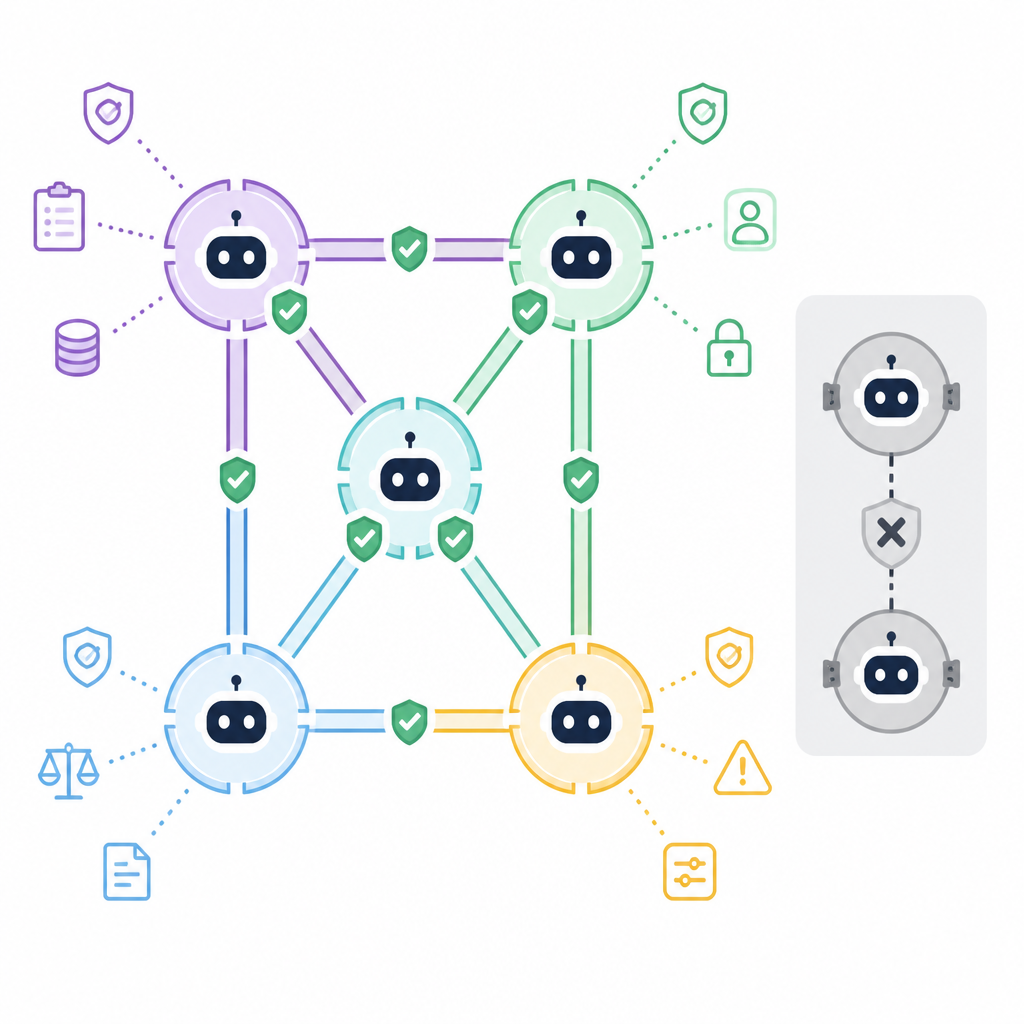
That shift matters because compliance only works when it is operational, not aspirational. A policy document saying “don’t exceed this limit” is weak. A wallet rule that enforces the limit, logs the exception, and feeds the alert into SOC tooling is real control. This is the direction serious teams should prefer, even if proprietary models still leave transparency gaps.
The counter-argument
The strongest objection is that decentralized AI compliance will slow the very systems it is meant to protect. Agent economies are supposed to be fast, composable, and permissionless. Add too many identity checks, metadata rules, and approval gates, and you risk recreating the friction of legacy finance inside a new stack.
There is also a real concern about standard fragmentation. ERC-8004, x402, ERC-8183, KYA dashboards, and vendor-specific scanners do not automatically form a coherent regime. If every chain and every platform implements its own version of “compliance,” teams will face integration overhead, and attackers will hunt for the weakest interpretation.
That critique identifies a limit, but it does not defeat the case. The answer is not less compliance; it is narrower, machine-readable compliance that travels with the agent. The current evidence points the other way: when controls are embedded in wallets and protocols, they reduce false positives, improve auditability, and preserve automation better than human review ever can.
What to do with this
Engineers, PMs, and founders should treat decentralized AI compliance as a product requirement, not a legal afterthought. Assign identities to every agent deployment, enforce spending caps at the wallet layer, preserve metadata in payment rails, and wire alerts into existing governance systems. If you are shipping autonomous finance, your edge will not come from avoiding controls. It will come from proving your controls work before regulators, partners, and customers ask.
// Related Articles
- [AGENT]
Meta’s first paid model proves AI coding is now a price war
- [AGENT]
Claude Code turns chat into terminal work
- [AGENT]
Open-Source AI Agent Frameworks Compared
- [AGENT]
Codex Micro turns a macropad into an AI control deck
- [AGENT]
Automate Web3 Grant Screening With AI Scoring
- [AGENT]
Anthropic Models: Build Better Agent Endurance