RAG-17 turns SOD1-ALS data into a template
I break down Ractigen’s RAG-17 story and give you a copy-ready template for translating preclinical and Phase 1 data.

RAG-17 shows how preclinical and Phase 1 data can be packaged into one clean translational story.
I've been reading a lot of biotech press releases lately, and most of them feel like they were assembled by a committee that never had to defend a claim in a lab meeting. Big adjectives, tiny evidence, and the same tired “bench to bedside” line slapped on top. This one was different, but it still had that familiar pressure point I care about: how do you turn a pile of animal data, biomarker shifts, and an early human readout into something a developer or scientist can actually trust?
That’s the part that usually gets mangled. You get a preclinical package that looks impressive in isolation, then a first-in-human update that sounds cautious but vague, and somehow the whole thing ends up less useful than the raw slides. Ractigen’s RAG-17 announcement gave me a cleaner example to work with because it ties together the delivery platform, the animal models, and the Phase 1 biomarker signal in one place. The source is the BioSpace press release, which points to the Nature Medicine paper and the original PR Newswire post from Ractigen Therapeutics: BioSpace, PR Newswire, and the paper itself in Nature Medicine.
The delivery system is the real story, not the headline disease
Get the latest AI news in your inbox
Weekly picks of model releases, tools, and deep dives — no spam, unsubscribe anytime.
No spam. Unsubscribe at any time.
“RAG-17 utilizes Ractigen's proprietary Smart Chemistry-Aided Delivery (SCAD™) technology, which conjugates the siRNA duplex to a specialized accessory oligonucleotide (ACO). This allows for broad distribution throughout the central nervous system (CNS) and highly durable gene silencing following intrathecal (IT) injection.”
What this actually means is that Ractigen is not just selling an siRNA. It’s selling a delivery problem it claims to have solved. That matters because CNS RNA therapies live or die on whether they can get where they need to go, stay there long enough, and do it without turning every dose into a procedural headache.
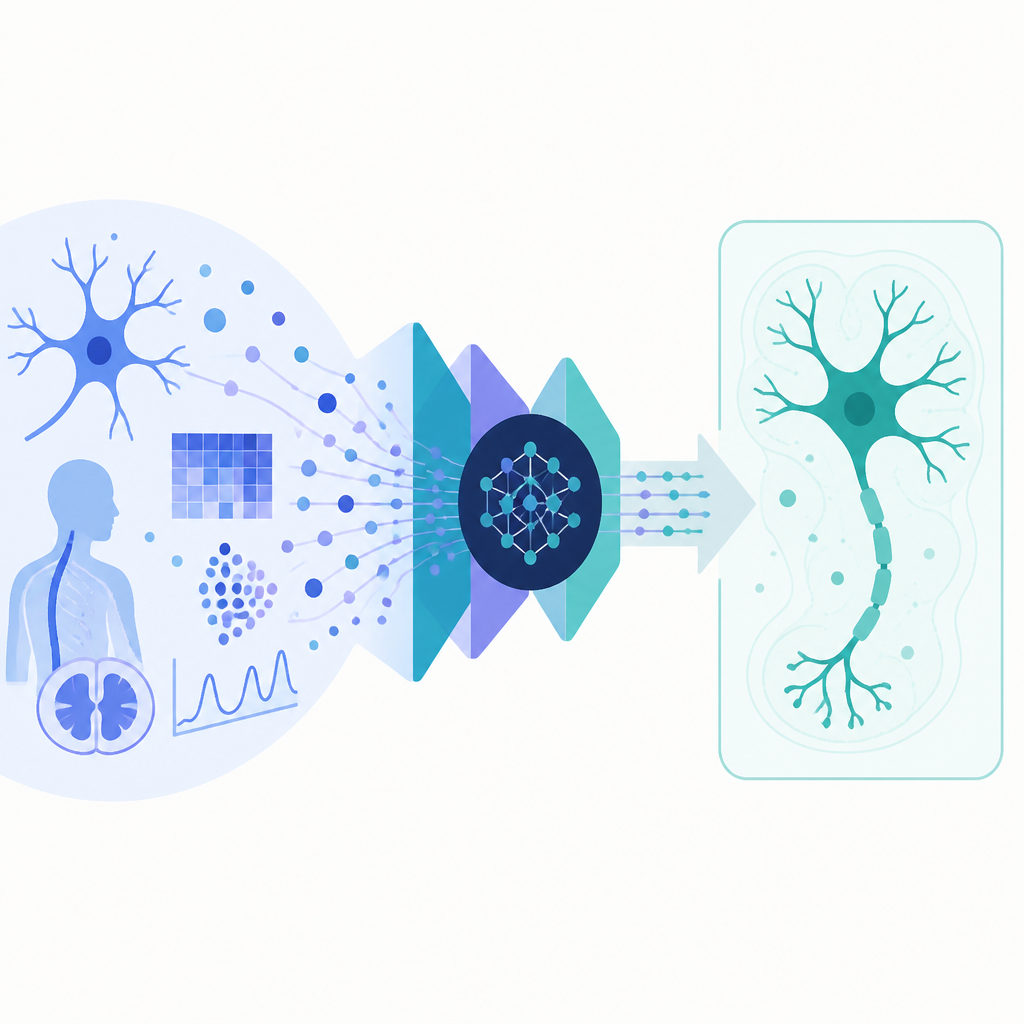
I’ve seen plenty of programs with a beautiful target and a miserable delivery story. The biology is fine, the chemistry is clever, and then the payload never reaches enough tissue to matter. Here, the SCAD™ platform is the center of gravity. The company is saying the accessory oligonucleotide changes distribution and durability after intrathecal delivery, which is the part I’d want to inspect first if I were evaluating this as a developer, not a marketer.
How to apply it: when you read a therapeutic press release, strip away the disease label and ask three questions. Can the payload reach the tissue? Can it stay active long enough to reduce dosing burden? Can the delivery method scale without turning into a clinical nuisance? If the answer is fuzzy, the rest of the story is usually fluff.
- Identify the delivery bottleneck before you judge the target.
- Separate target biology from route-of-administration claims.
- Look for durability data, not just peak knockdown.
For RNAi in the CNS, “delivery” is not a footnote. It’s the product. That’s why this announcement spends so much time on SCAD™ and intrathecal dosing. If I were writing this up for a technical audience, I’d put the platform first and the indication second.
Biomarkers tell you more than the victory lap does
“In Cohort 1, mean cerebrospinal fluid (CSF) SOD1 protein decreased by 69% at Day 240, while plasma NfL… decreased by a mean of 62%, with individual nadirs reaching up to 85% below baseline.”
What this actually means is that the company is trying to show pharmacodynamic movement, not just safety. That’s the right instinct. In a disease like SOD1-ALS, biomarker changes are the bridge between “the drug got in” and “the drug may be doing something meaningful.”
CSF SOD1 is the direct target readout. NfL is the broader injury marker. I like that they used both, because one tells you whether the mechanism is landing and the other tells you whether the nervous system is still getting hammered. When both move in the same direction, you stop arguing about whether the molecule is active and start asking how durable and clinically relevant the effect might be.
I ran into this exact pattern when I was reviewing another CNS program: the team had a nice target engagement story but no injury marker to show the downstream effect. That left everyone guessing whether the pharmacology mattered. Here, the combination of CSF SOD1 and plasma NfL gives the story more shape. It still doesn’t prove clinical benefit on its own, but it does make the translational claim harder to dismiss.
How to apply it: if you’re writing or reviewing an early clinical update, do not stop at “reduced target protein.” Ask whether there’s a second biomarker that reflects disease burden or tissue injury. If there isn’t, say so. If there is, explain whether the two markers reinforce each other or just coexist on the slide.
- Use one biomarker for mechanism, one for disease impact.
- Report timing, not just magnitude.
- Call out individual nadirs and cohort averages separately.
The annoying truth is that biomarker language gets abused fast. A 69% reduction sounds great until you ask when it happened, how durable it was, and what the baseline variability looked like. But as a translational package, this is the right kind of data to surface.
Safety is boring until it’s the only thing that matters
“RAG-17 met its primary safety endpoint. It was well-tolerated, with no serious adverse events (SAEs) and no requirement for invasive mechanical ventilation up to the data cutoff.”
What this actually means is that the first human readout did not blow up, which is exactly what you want before you start talking about efficacy. In a disease as severe as ALS, people will tolerate a lot of risk, but they still need a therapy that doesn’t create a second problem while trying to solve the first one.
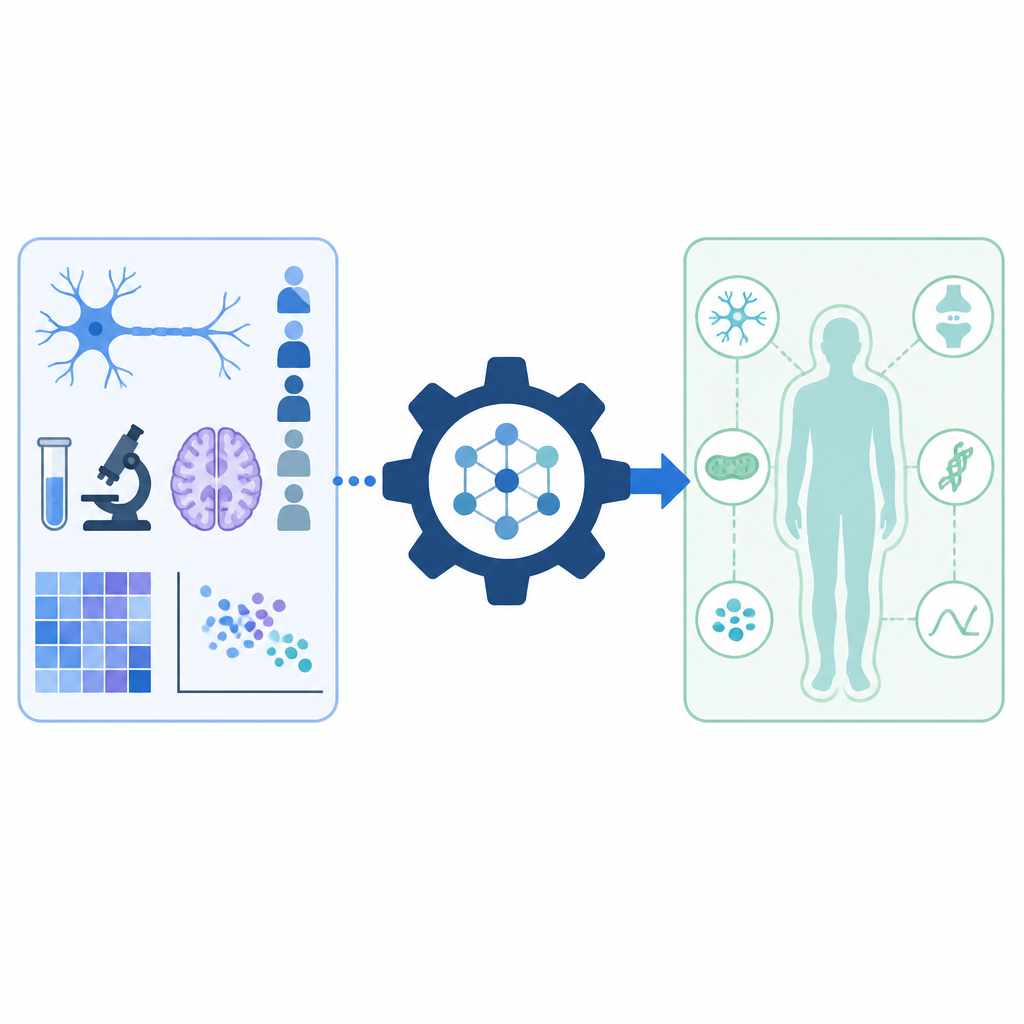
There’s a temptation in biotech writing to treat safety as the dull paragraph nobody reads. I think that’s backwards. Safety is where early programs either earn the right to keep going or quietly die. The absence of serious adverse events doesn’t prove the program is good, but it does keep the door open for the biomarker story to matter.
I also like that the release doesn’t pretend mild or moderate TEAEs are nothing. It says they were transient and manageable. That’s the correct level of honesty. If I were summarizing this for an internal team, I’d say: no obvious red flag, but still early, still small, still not enough to relax.
How to apply it: when you present first-in-human data, lead with the safety endpoint, then immediately define what “tolerated” means in practical terms. No SAEs? Good. No invasive ventilation? Better. But keep the sample size in view, because six patients is a signal, not a conclusion.
This is also where a lot of external readers overread. They see “no SAEs” and mentally jump to approval. That’s not how this works. It just means the program survived the first gate.
Late-stage animal rescue is persuasive, but only if you read the timing
“In aggressively progressing SOD1 G93A mouse models, RAG-17 demonstrated remarkable efficacy even when administered significantly after symptom onset… Late-stage treatment extended survival by up to 75.8%.”
What this actually means is that the drug did more than delay disease onset in a convenient model. It showed activity after pathology was already moving, which is the kind of detail that makes translational people sit up a little straighter.
That said, I’m always cautious when a preclinical result is described as “unprecedented.” I’ve seen too many animal wins that collapse once the dosing window gets more realistic. The useful part here is not the adjective. It’s the timing. Post-onset dosing in a fast-progressing ALS model is harder to hand-wave away than prophylactic treatment in a clean lab setup.
The same logic applies to the rat data and the NHP readout. The rats showed delayed onset and preserved spinal motor neurons. The cynomolgus monkeys showed durable knockdown in the lumbar spinal cord. Together, those pieces build a stronger case that the platform is doing something real across species, not just in one lucky model.
How to apply it: whenever you see strong animal efficacy, check three things. Was the treatment preventive or therapeutic? How late was dosing relative to disease onset? Did the effect survive in a second species or a more human-like tissue context? If not, don’t oversell it.
- Late dosing matters more than early prophylaxis in translational claims.
- Cross-species consistency is more convincing than one heroic model.
- Durability beats a single dramatic endpoint.
I’m not saying the animal data prove the human effect. They don’t. I am saying the timing and durability make this package more credible than a standard “we cured mice” announcement.
NHP target engagement is the bridge most programs skip
“In cynomolgus monkeys, intrathecal RAG-17 achieved up to 91% reduction of SOD1 mRNA in the lumbar spinal cord, an effect that persisted for up to 72 days post-dose.”
What this actually means is that the company has a non-human primate bridge between rodent efficacy and human dosing. That bridge is where a lot of RNA programs either get stronger or fall apart, because primate data forces you to deal with distribution, persistence, and tissue relevance all at once.
I like primate target engagement data because it’s harder to fake confidence with them. If the drug doesn’t reach the right tissue, if the knockdown doesn’t persist, or if the route is too invasive to be practical, the story gets uncomfortable fast. Here, the 72-day persistence is the kind of detail that supports the claim of less frequent dosing, which is one of the few practical advantages that actually matters to patients and clinicians.
When I review a platform claim, this is the section I look for. Rodents tell you whether the mechanism can work. Primates tell you whether the mechanism might survive contact with a larger nervous system. Humans then tell you whether the whole thing is worth the operational complexity.
How to apply it: if you’re building a translational narrative, include one species that is close enough to human anatomy or physiology to make the delivery story believable. Then explain the duration in days, not adjectives. Days are honest. Adjectives are cheap.
This is also where readers should ask about dose frequency, exposure-response, and whether lumbar spinal cord knockdown maps to the clinically relevant compartments. If the answer is yes, say it plainly. If not, don’t pretend the primate data are more complete than they are.
The right way to write a bench-to-bedside claim
What Ractigen did here is less about hype and more about structure. The announcement moves from platform chemistry to animal rescue to primate target engagement to first-in-human biomarkers. That sequence matters. It’s the only way a translational story makes sense without sounding like three separate press releases stapled together.
I’ve got no patience for biotech narratives that jump straight from mouse survival to “potential best-in-class” without showing the path. This one at least tries to earn the claim. The company is saying: we have a delivery platform, we have cross-species pharmacology, we have human biomarker movement, and we have an early safety profile that doesn’t shut the program down. That’s a real story, even if it’s still early.
How to apply it: build your translational write-up in the same order the evidence matures. Start with the platform, then the best animal model, then the bridging species, then the first human data, then the limits. If you reverse that order, readers assume you’re hiding something.
And please, for the love of every reviewer who has ever had to annotate a deck, separate “signal” from “proof.” The signal here is promising. The proof will come later, if it comes at all.
The template you can copy
# Translational announcement template for an RNA therapeutic

## Headline
[Company] announces [journal/publication/trial milestone] for [asset] in [disease]

## One-line summary
[Asset] shows [mechanism] in [target tissue], with [preclinical outcome] and [early clinical biomarker/safety outcome].

## Platform paragraph
[Asset] uses [delivery platform / chemistry] to [reach tissue], [sustain target engagement], and [reduce dosing burden].

## Preclinical package
- Model 1: [species/model], [dose], [timing relative to disease onset], [primary outcome]
- Model 2: [species/model], [secondary outcome], [durability]
- Bridging species: [NHP/species], [target engagement metric], [duration of effect]

## Human data
- Study design: [open-label / randomized / dose-escalation]
- Population: [n], [disease subtype], [inclusion criteria]
- Safety: [SAEs yes/no], [common TEAEs], [tolerability summary]
- Pharmacodynamics: [target biomarker], [injury biomarker], [timepoint], [percent change]
- Exploratory clinical readouts: [function/respiratory/other], [direction of change]

## Interpretation paragraph
These data suggest [mechanistic conclusion] and support further study of [asset] as a [disease-modifying / symptom-modifying] therapy. The strongest claim is [what the data actually support]. The weakest claim is [what the data do not yet prove].

## Copy-ready caution language
These findings are based on [small sample size / preclinical models / early follow-up] and should be interpreted as [signal / hypothesis-generating evidence], not confirmation of clinical benefit.

## Practical takeaway
If you are writing about an early CNS RNA program, lead with delivery, then durability, then biomarker movement, then safety, then the limits.
Use that structure when you need to turn a mixed preclinical and Phase 1 package into something readable without inflating it. It keeps the narrative honest, and it stops the usual press-release fog from taking over.
The nice part is that this template works for more than ALS. I’d use it for any RNAi, ASO, or CNS-delivered oligo program where the delivery system is half the product and the early clinical data are really about pharmacology, not efficacy in the classic sense.
Source attribution: I based this breakdown on the BioSpace press release and the linked PR Newswire original, both referencing the Nature Medicine paper on RAG-17. My commentary, structure, and template are original, but the factual data points come from those source materials.
// Related Articles