Why RISC-V and GPU Pairing Is the Right SoC Bet
RISC-V SoCs win when they pair CPU, AI, and GPU into one software-ready platform.
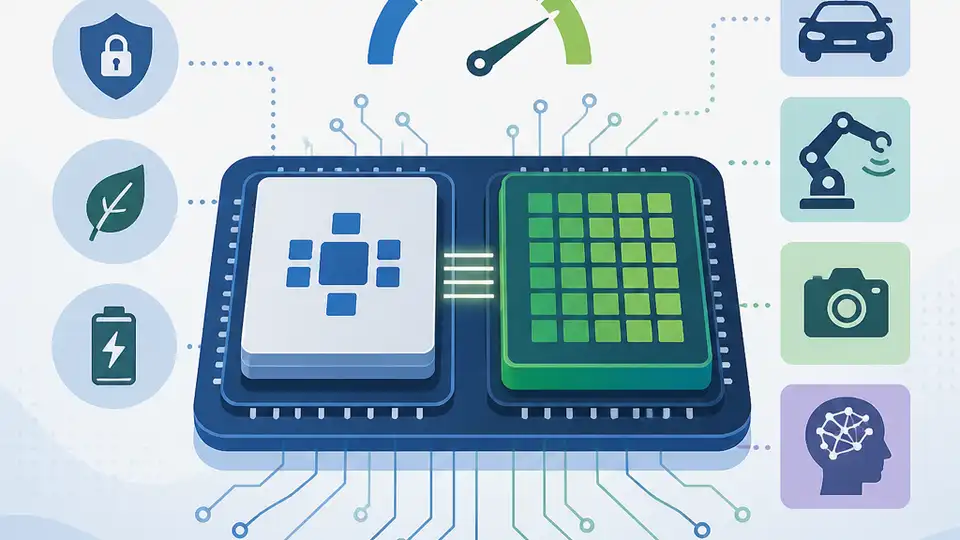
RISC-V SoCs win when they pair CPU, AI, and GPU into one software-ready platform.
RISC-V plus GPU is the right path for high-performance SoCs because raw CPU speed is no longer enough to make a chip usable.
The K3 example makes that plain. SpacemiT’s chip pairs in-house RISC-V CPU cores running up to 2.4GHz with as much as 60 TOPS INT4 AI compute and Imagination’s BXM-4-64 GPU IP, which means the platform is not just fast on paper. It can run Linux with full graphics, support standard APIs like Vulkan, and handle workloads that need both parallel compute and a real desktop or embedded UI.
First argument: performance only matters when the platform is complete
Get the latest AI news in your inbox
Weekly picks of model releases, tools, and deep dives — no spam, unsubscribe anytime.
No spam. Unsubscribe at any time.
For years, chip marketing treated CPU throughput as the headline metric. That logic breaks the moment a device needs graphics, multimedia, and system software that users actually interact with. A high-performance SoC that cannot support a modern Linux environment is not a complete platform. It is an incomplete compute block with a branding problem.
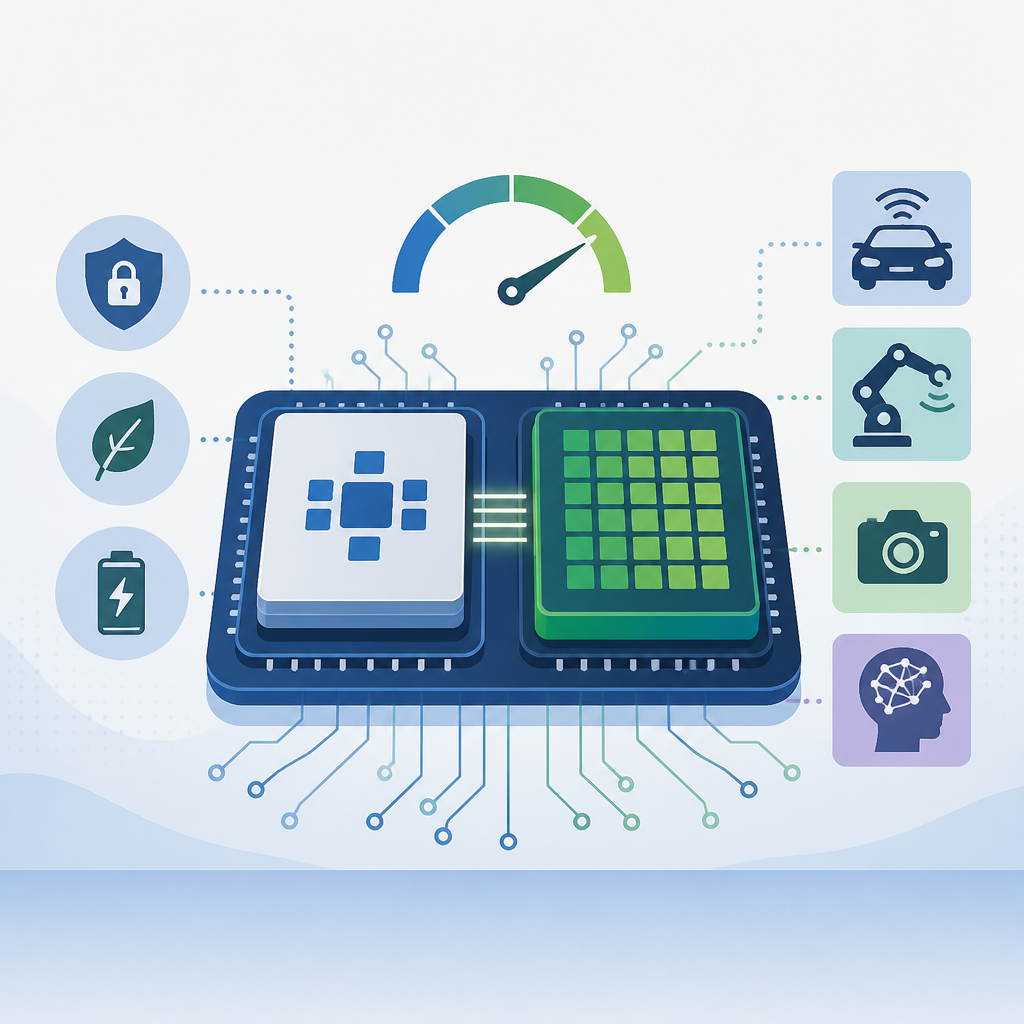
The K3 shows why the GPU matters. SpacemiT says Ubuntu is available on its K3 and K1 chips, and that immediately changes the value of the silicon. Developers do not just get a faster core; they get a software environment that is familiar, portable, and useful. That matters more than another isolated benchmark because it determines whether the chip can ship in an AI PC, robot, or industrial device without a custom software stack built from scratch.
Second argument: ecosystem compatibility is the real moat
RISC-V’s biggest challenge is not instruction-set design. It is ecosystem friction. A CPU architecture can be elegant and still fail if the operating system, graphics stack, drivers, and tooling are not ready. That is why the article’s emphasis on RVA23 support and optimized GPU drivers is the central point, not a side note. Hardware value becomes real only when software can land on it cleanly.
Imagination’s pitch is that this is where mature GPU IP changes the economics. The company says its GPUs have been deployed across more than 11 billion devices and that it already has integration experience with multiple RISC-V platforms. That scale matters because SoC teams do not buy graphics IP for novelty. They buy it to reduce design risk, shorten validation, and avoid the long tail of driver bugs that can sink a launch after the silicon is already taped out.
The counter-argument
The strongest case against this view is that RISC-V should stay focused on what makes it distinctive: openness, customization, and CPU efficiency. Adding a GPU and a larger software stack can turn a clean architecture story into a dependence story. If the graphics layer comes from a proprietary vendor, critics argue, the platform loses some of the very openness that made RISC-V attractive in the first place.
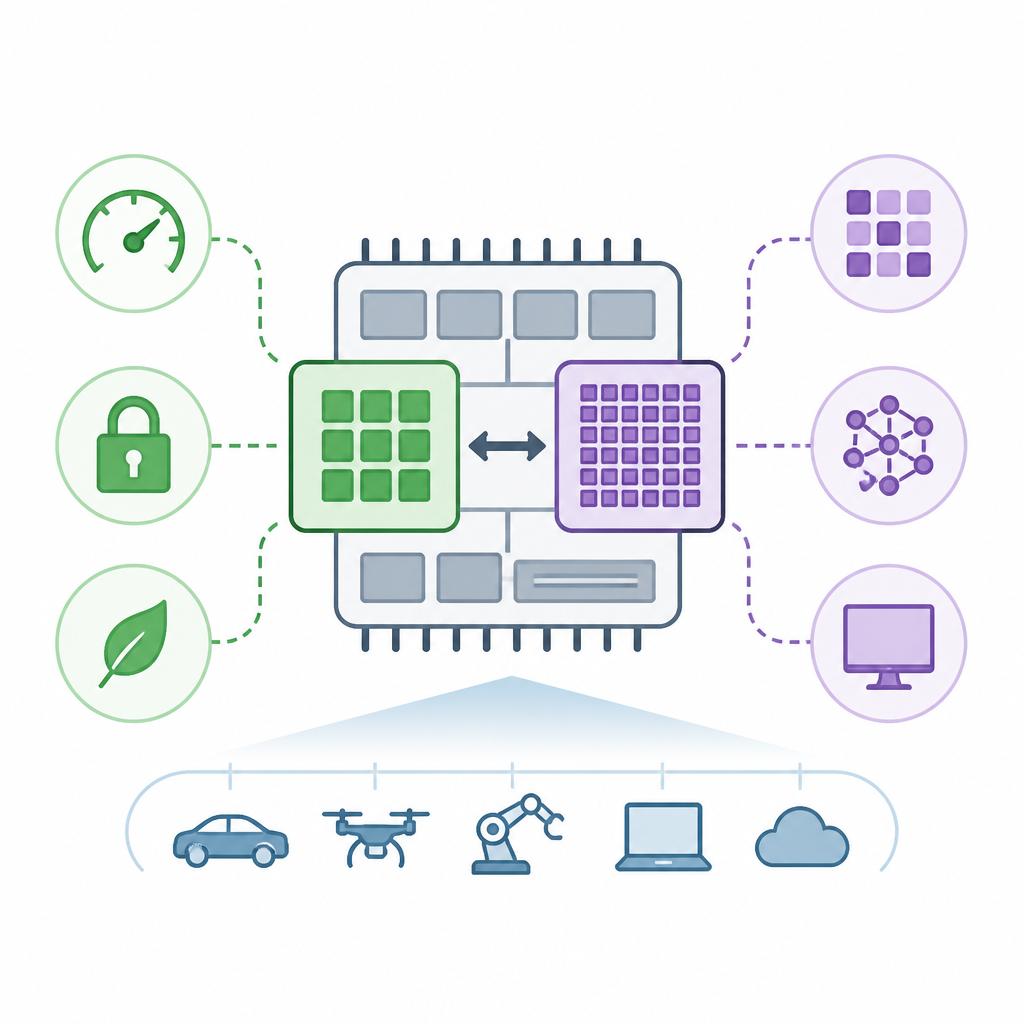
There is also a cost argument. GPU integration is not free. It adds power, area, validation complexity, and driver maintenance. For many edge devices, the right answer is still a lean CPU with dedicated accelerators and no general-purpose graphics subsystem. In that view, a GPU is a luxury that increases bill of materials and integration burden without helping the core workload.
That objection is valid for narrow devices, but it does not defeat the broader thesis. The article is not arguing that every RISC-V chip needs a GPU. It is arguing that the category of high-performance SoCs does. Once a product must serve as an AI PC, robotics controller, or advanced industrial platform, graphics and OS compatibility stop being optional. At that point, the question is not whether a GPU adds complexity. It does. The question is whether the chip can function as a complete system without one. For this class of products, the answer is no.
What to do with this
If you are an engineer, stop treating CPU selection as the center of the SoC plan. Start with the full software target: Linux support, graphics APIs, AI inference, and the driver stack that will survive production. If you are a PM or founder, evaluate RISC-V platforms by time to usable system, not by core count or peak TOPS alone. The winning chip is the one that ships a working platform, not the one that wins a slide deck.
// Related Articles
- [IND]
Anthropic's IPO rumor turns into a market watch
- [IND]
Anthropic should not become dependent on Meta for compute
- [IND]
Mistral's robotics model cuts indoor navigation costs
- [IND]
Mistral missile: France’s short-range air defense workhorse
- [IND]
Apple Reclaims No. 1 by Market Cap as AI Costs Spike
- [IND]
Kimi K3 could pressure the middle tier of AI models