Why LibreOffice’s browser push is the right move
LibreOffice should go to the browser and mobile devices, not stay desktop-only.
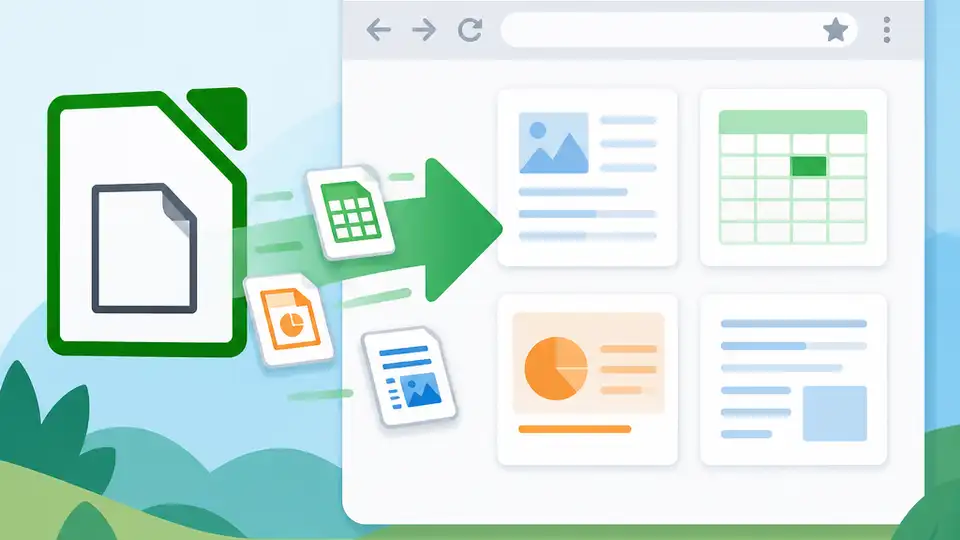
LibreOffice should move into the browser and mobile devices to stay relevant.
LibreOffice needs a browser and mobile future, and The Document Foundation is right to pursue it now.
The office suite market has already moved. Microsoft 365 and Google Workspace set user expectations around access from any device, collaboration in real time, and low-friction sharing. A desktop-only strategy leaves LibreOffice defending a shrinking island of serious users while everyone else edits in the browser. The new strategy paper does not promise a finished product, but it does acknowledge the real fight: if LibreOffice wants to remain an alternative, it has to meet users where they work.
First argument: the desktop monopoly is gone
Get the latest AI news in your inbox
Weekly picks of model releases, tools, and deep dives — no spam, unsubscribe anytime.
No spam. Unsubscribe at any time.
The strongest case for this shift is simple market reality. Most people no longer think of office software as something installed on one machine and used in one place. They expect documents to open in a tab, sync across devices, and survive a laptop, phone, or shared workstation without drama. If LibreOffice stays centered on desktop workflows, it becomes a tool for a narrower and older use case, not a general-purpose office suite.
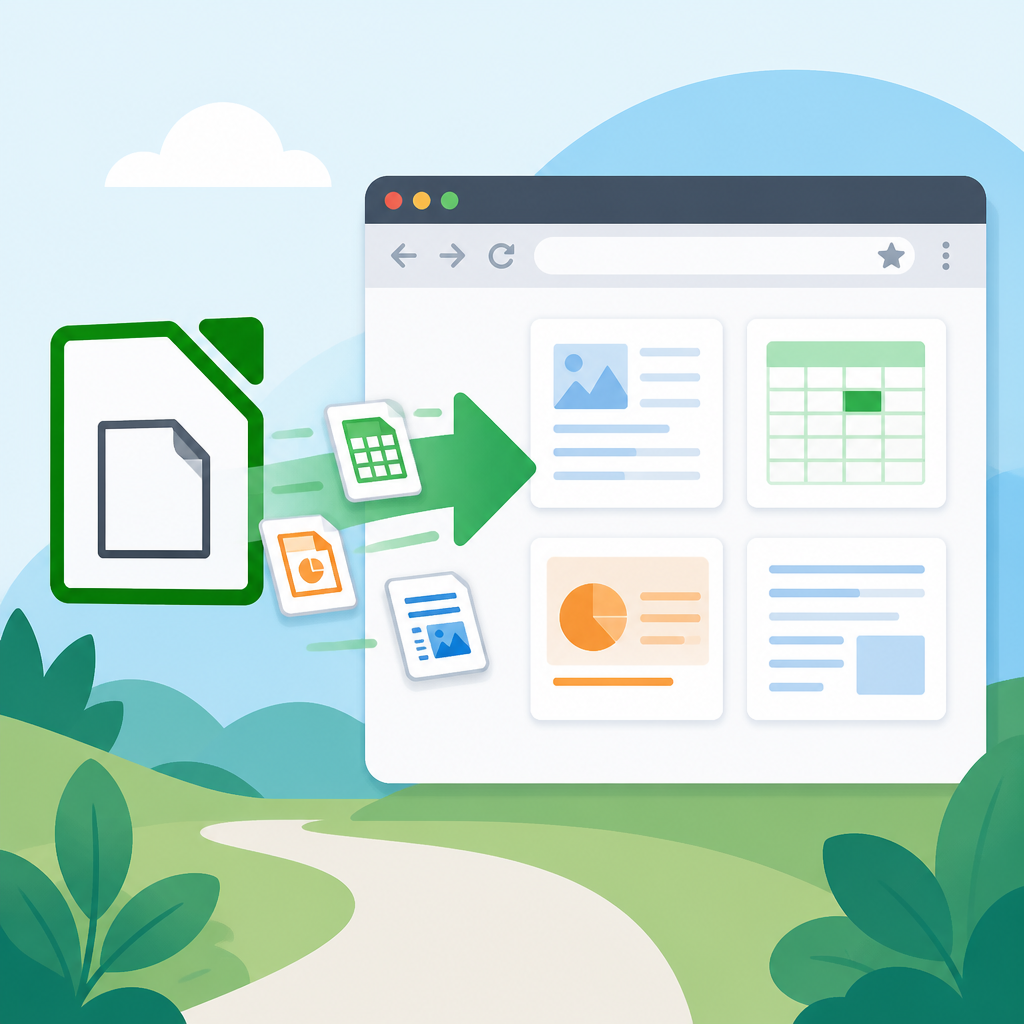
That matters because the competition is not standing still. Microsoft 365 and Google Workspace have spent years normalizing browser-first editing, shared links, and cloud-native collaboration. Even when those products are imperfect, they define the baseline. LibreOffice cannot win by being a purist relic. It wins by offering a credible free option that works in the same places users already expect office software to work.
Second argument: a shared codebase is the only sane way to expand
The Document Foundation’s plan to reuse as much code as possible across desktop, browser, and mobile is the right engineering choice. Fragmenting into separate product lines would bury the project in maintenance debt and split scarce contributor attention. A shared core gives LibreOffice a chance to make progress without rebuilding the same features three times. That is not just efficient, it is survival logic for an open-source project with finite resources.
The WebAssembly browser path is especially smart because it keeps processing local instead of pushing everything to a central server. That reduces server costs, supports self-hosting, and fits the sovereignty and privacy concerns that many LibreOffice users already care about. This is not a cosmetic port. It is a way to preserve the suite’s values while modernizing access. If the browser version can run substantial logic on the client device, LibreOffice can avoid copying the worst parts of cloud office, where convenience often comes with lock-in and data exposure.
The counter-argument
The best objection is that this plan risks distraction. LibreOffice still needs reliability, performance, and polish on the desktop, and browser and mobile work can consume talent that should have gone into fixing long-standing pain points. Open-source projects have a history of spreading themselves too thin. A strategy paper about browsers, phones, document servers, and collaboration can sound like a wish list rather than a roadmap.
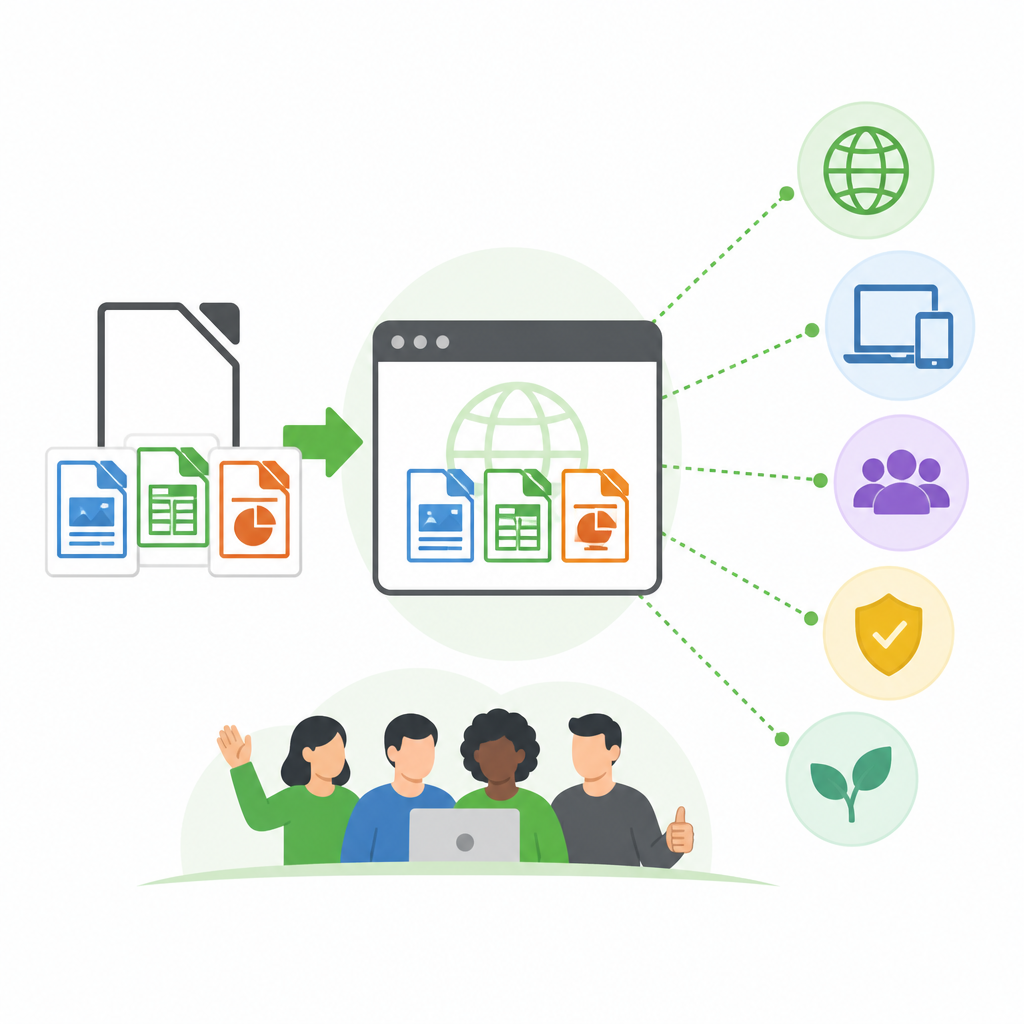
That objection is fair, and the foundation itself admits the document is only a draft strategy, not a product plan with deadlines. But that limitation is exactly why the direction is right. The paper is not promising a reckless rewrite. It is proposing separate sub-projects, shared code, and incremental delivery so that each piece can be useful on its own. That is the opposite of fantasy planning. The real risk is not ambition. The real risk is refusing to adapt while the market keeps moving away.
What to do with this
If you build software around LibreOffice, treat this as a signal to plan for a multi-surface future now. Engineers should favor modular code, clean document-service boundaries, and client-side performance work that can survive both desktop and WebAssembly. Product managers should assume collaboration and mobile access will become part of the baseline, not a side experiment. Founders and IT leaders who care about digital sovereignty should watch this closely, because a credible browser-based LibreOffice could become the strongest open alternative to cloud office suites, but only if the ecosystem invests before the gap becomes permanent.
// Related Articles
- [IND]
Anthropic's IPO rumor turns into a market watch
- [IND]
Anthropic should not become dependent on Meta for compute
- [IND]
Mistral's robotics model cuts indoor navigation costs
- [IND]
Mistral missile: France’s short-range air defense workhorse
- [IND]
Apple Reclaims No. 1 by Market Cap as AI Costs Spike
- [IND]
Kimi K3 could pressure the middle tier of AI models