Why model version lifecycles should be treated like contracts
Model version lifecycles are contracts, and teams should plan upgrades before dates force them.
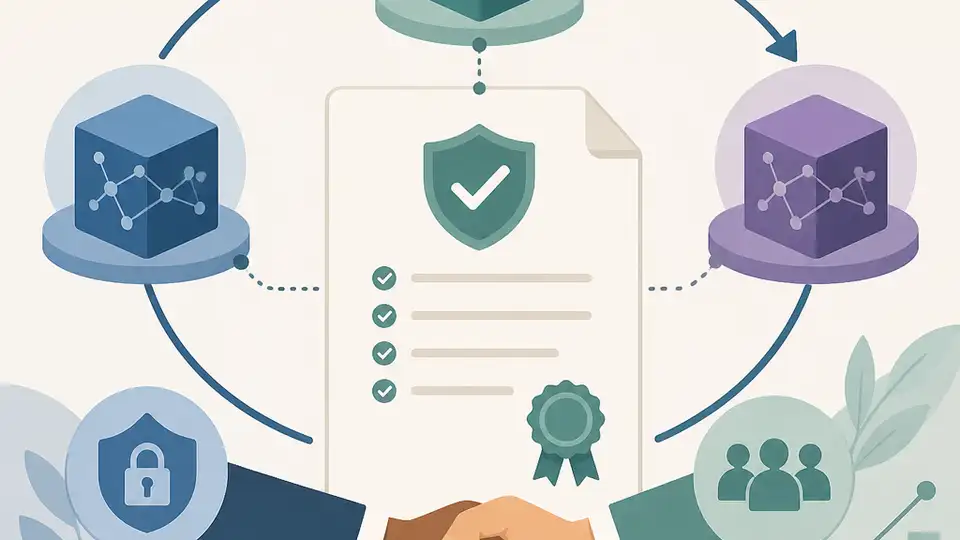
Model version lifecycles are contracts, and teams should plan upgrades before dates force them.
Model version lifecycles are contracts, and teams should plan upgrades before dates force them.
Google’s Gemini Enterprise Agent Platform documentation makes the point plainly: model versions have defined release, support, and retirement dates, and stable models are only safe for production while that support window is open. That is not a footnote for platform teams. It is the operating rule for every product that depends on hosted AI, because the model you ship against today is not a permanent dependency, it is a timed one.
Version dates are product risk, not documentation trivia
Get the latest AI news in your inbox
Weekly picks of model releases, tools, and deep dives — no spam, unsubscribe anytime.
No spam. Unsubscribe at any time.
The first reason to treat lifecycle pages as hard policy is that they describe real operational exposure. A stable model is publicly released and supported for production use starting on its release date, which sounds reassuring until you notice the other half of the story: support does not last forever. Once a model moves toward retirement, every prompt, eval, and integration tied to it inherits migration work. If your release process ignores that date, your product roadmap will eventually collide with a forced upgrade.
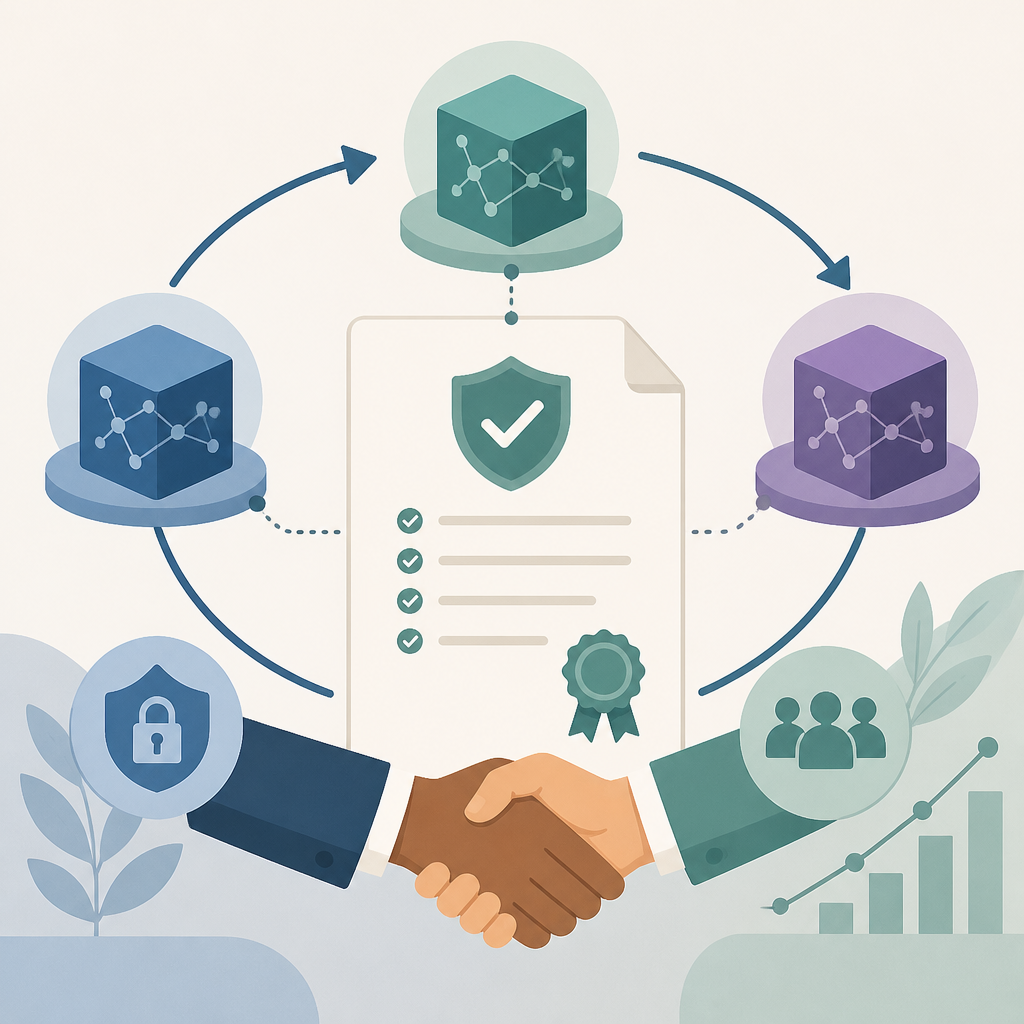
This matters because model changes are rarely isolated. A version bump can alter latency, token usage, output style, safety behavior, and downstream tool calls. The documentation’s upgrade guidance exists because these changes are expected, not exceptional. In practice, the safest teams do not ask whether a model is “good enough” today. They ask how long it remains supported, what replacement Google recommends, and how much validation effort the migration will require.
Recommended upgrades are a signal, not a suggestion
Google does not publish recommended upgrades for decoration. When a documentation page points from one model version to another, it is telling you where the platform believes the stable path now lives. That is especially important for embedding models, where compatibility mistakes can quietly break retrieval quality, ranking, and semantic search even when the API call still succeeds.
Take the common case of a production RAG system. If your vector store was built on an older embedding model and your retrieval pipeline silently keeps using it after a newer recommended version arrives, you do not just risk technical debt. You risk degraded answer quality that looks like “the model got worse” when the real problem is stale infrastructure. The upgrade path is the product. Teams that wait for a breaking change before migrating are already behind.
Lifecycle planning is what separates stable AI from demoware
The strongest argument for lifecycle discipline is that it turns AI adoption from improvisation into engineering. A platform like Gemini Enterprise Agent Platform exposes multiple model families, each with its own release cadence and support horizon. That variety is useful only if teams track versions the way they track dependencies in any other critical system. Without that discipline, you end up with a patchwork of ad hoc model choices, inconsistent behavior across services, and no reliable rollback story.
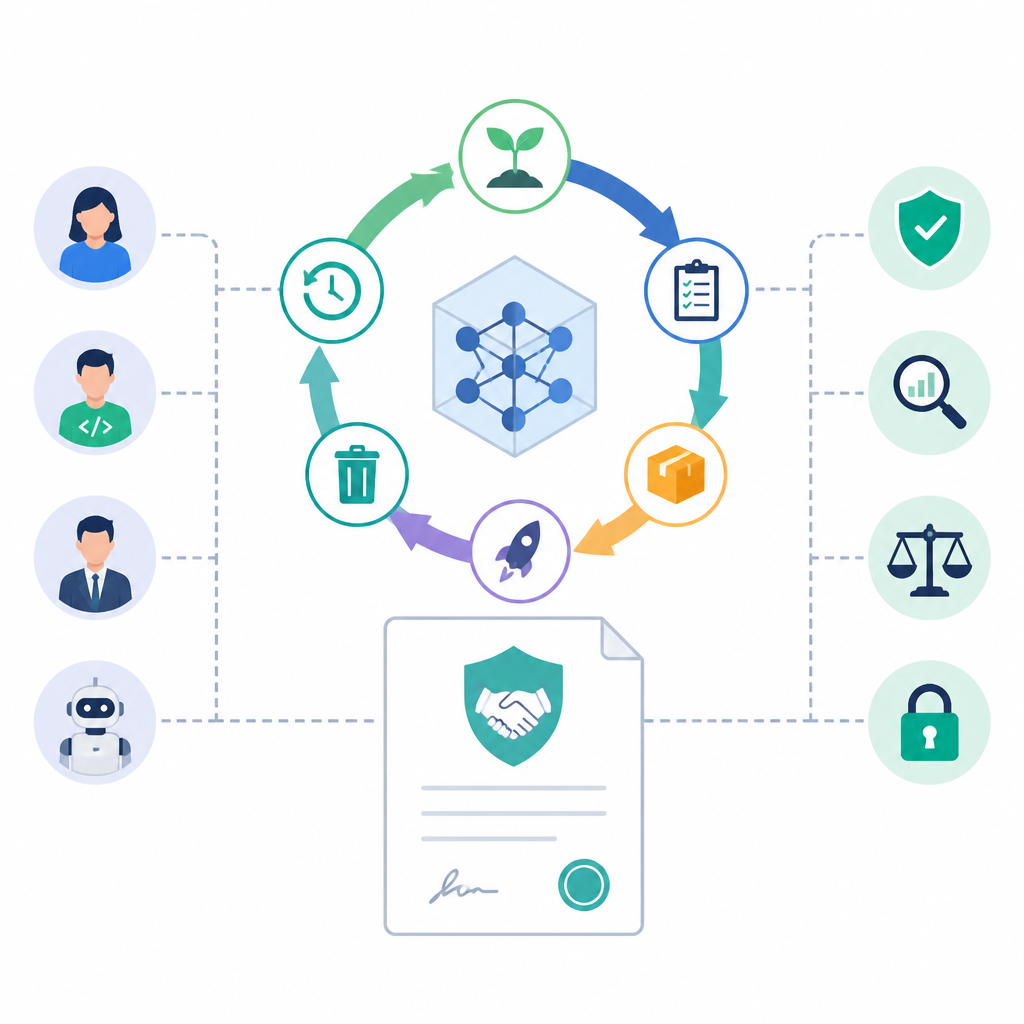
Consider the difference between a team that pins a model version and one that just calls “the latest.” The first team can run evaluations, compare outputs, and schedule migration work before the deadline. The second team discovers changes only after users do. In AI, “latest” is not a strategy. Lifecycle awareness is what keeps model choice from becoming a surprise outage disguised as an improvement.
The counter-argument
There is a reasonable objection: version churn slows teams down. If every model has a lifecycle, then product builders spend time on migrations instead of features, and engineers may fear that pinning to a version locks them into constant maintenance. For small teams, that concern is real. AI platforms already add complexity around prompts, evals, quotas, and safety controls, so another layer of version management looks like overhead.
That objection gets stronger when a team is experimenting. Early-stage products often need speed more than perfect governance, and frequent model swaps can make it hard to isolate what actually improved. If the platform keeps moving, some builders will argue for using a single model until the product-market fit is clear.
But that argument fails in production. The cost of planned migration is lower than the cost of emergency migration, and the documentation exists precisely because the platform will not stay static. Accept the overhead, but contain it: pin versions, track support dates, and budget upgrade cycles the same way you budget security patches. That is not bureaucracy. It is the price of using a managed model platform responsibly.
What to do with this
If you are an engineer, add model version and retirement dates to your service ownership checklist, and wire them into alerts before they become incidents. If you are a PM, treat model upgrades as roadmap items with acceptance criteria, not as backend chores. If you are a founder, assume every hosted model is a managed dependency with a shelf life, and design your product and migration plan so that a version change is routine work, not a crisis.
// Related Articles
- [IND]
Anthropic's IPO rumor turns into a market watch
- [IND]
Anthropic should not become dependent on Meta for compute
- [IND]
Mistral's robotics model cuts indoor navigation costs
- [IND]
Mistral missile: France’s short-range air defense workhorse
- [IND]
Apple Reclaims No. 1 by Market Cap as AI Costs Spike
- [IND]
Kimi K3 could pressure the middle tier of AI models