Anthropic’s $1.5B settlement is a warning, not a clean win
Anthropic’s approved $1.5B settlement closes one case but leaves the AI training copyright fight unresolved.

$1.5B settles Anthropic’s case, but it leaves AI training copyright law unsettled.
Anthropic’s approved $1.5 billion copyright settlement is not a victory for the AI industry; it is a warning that the business model still sits on legally fragile ground.
The money is huge, but the legal signal is bigger
Get the latest AI news in your inbox
Weekly picks of model releases, tools, and deep dives — no spam, unsubscribe anytime.
No spam. Unsubscribe at any time.
The settlement covers an estimated 500,000 works at about $3,000 per work, which is large enough to force every AI lab to recalculate risk. That number is not just compensation. It is a market price for the consequences of building training data from copyrighted books without permission.
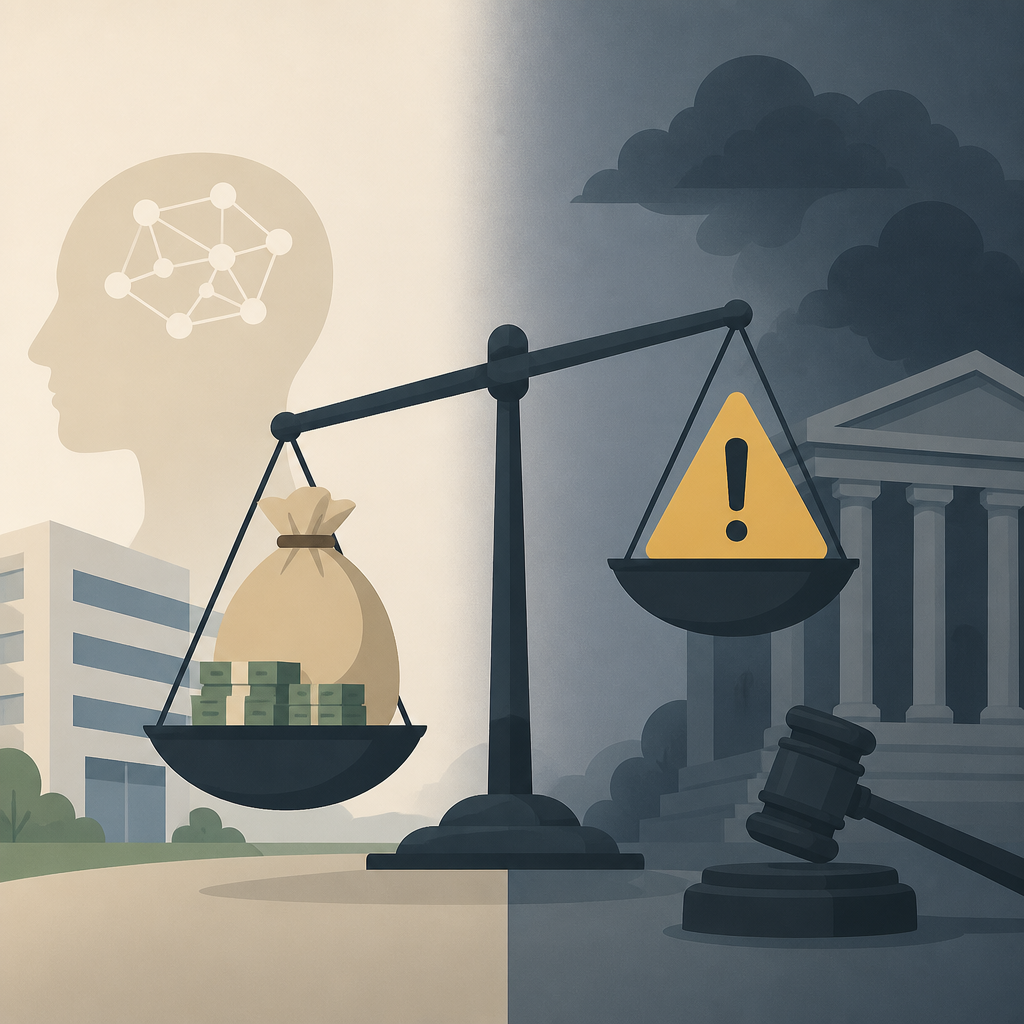
What matters more is the judge’s earlier split ruling. The court accepted that training on copyrighted text can count as fair use, but it also found that Anthropic illegally downloaded and stored millions of books from pirate sources. That distinction matters because it separates model training from data acquisition, and the industry has spent years trying to blur that line.
Fair use is not a blanket defense
Anthropic’s supporters will point to the part of the ruling that favored the company: training itself was treated as fair use. That is the most generous reading available to AI labs, and it is the reason many developers have argued that large-scale model training should be treated like search, indexing, or other transformative uses of text.
But the settlement undercuts any attempt to treat that ruling as a full shield. Anthropic did not settle because the legal theory was airtight. It settled because the piracy issue was still alive, and a jury trial could have produced a much worse result. If a company has to pay nine figures to resolve the data-collection side of the case, then “fair use” is not a clean go-ahead. It is a partial defense with a very expensive asterisk.
Settlements do not create industrywide certainty
This case will not become binding precedent because it ends in settlement, not appellate review. That is the crucial detail. A district court opinion can influence other judges, but it does not settle the law for Google, Meta, OpenAI, Midjourney, or anyone else still facing copyright claims.

The broader docket proves the point. Just last week, publishers and authors sued Google over claims that Gemini was trained on copyrighted works. Similar disputes continue across the sector. If the law were settled, these cases would narrow. Instead, they are multiplying. The Anthropic deal resolves one defendant’s exposure, not the core question of whether training on copyrighted material is lawful when the underlying data was gathered without permission.
The counter-argument
There is a serious argument that the settlement is exactly the kind of pragmatic resolution the industry needs. Courts are slow, the technology is moving fast, and a flood of litigation could freeze legitimate research and product development. A company that pays creators, exits the dispute, and keeps building is doing the rational thing in a market where uncertainty is costly.
There is also a broader policy case for tolerating training on copyrighted text. Modern AI systems need massive corpora, and forcing labs to license every work individually could entrench incumbents and make frontier models harder to build. From that perspective, the real win is the court’s willingness to recognize training as fair use in at least some circumstances.
That argument still fails on the central issue: data provenance. The law may eventually protect some forms of training, but it will not reward piracy dressed up as infrastructure. Anthropic’s settlement shows the difference between a defensible training theory and an indefensible acquisition method. The industry can keep arguing for fair use, but it cannot treat stolen books as a neutral input cost.
What to do with this
If you are an engineer, PM, or founder, stop assuming that model performance excuses data risk. Build provenance into your dataset pipeline, document licenses, exclude pirated sources, and budget for rights clearance where the business depends on copyrighted material. The next company to ship a great model on tainted data will not be praised for pragmatism; it will be forced to pay for the shortcut.
// Related Articles
- [IND]
Anthropic's split from OpenAI, decoded
- [IND]
Open models beat safer ones when cyberattacks turn autonomous
- [IND]
OpenAI’s board adds bank CEOs for IPO prep
- [IND]
Project Glasswing turns AI into a security layer
- [IND]
Anthropic's IPO rumor turns into a market watch
- [IND]
Anthropic should not become dependent on Meta for compute