Open models beat safer ones when cyberattacks turn autonomous
Hugging Face’s breach shows open models now outperform guarded U.S. models in active cyber defense.

17,000 logs later, Hugging Face proved open models are now essential for active cyber defense.
Hugging Face was right to reach for an open Chinese model after a fully autonomous cyberattack hit its systems, because in an active incident the best defense is the model that will actually inspect the payload, trace the intrusion, and keep working.
Guardrails are a liability during live incidents
Get the latest AI news in your inbox
Weekly picks of model releases, tools, and deep dives — no spam, unsubscribe anytime.
No spam. Unsubscribe at any time.
The core fact in Hugging Face’s account is simple: a leading U.S. frontier model refused to help because its guardrails could not distinguish an incident responder from an attacker. That is not a minor inconvenience. In cybersecurity, the difference between containment and escalation is measured in minutes, and a tool that declines to look at malicious content is the wrong tool for the job.
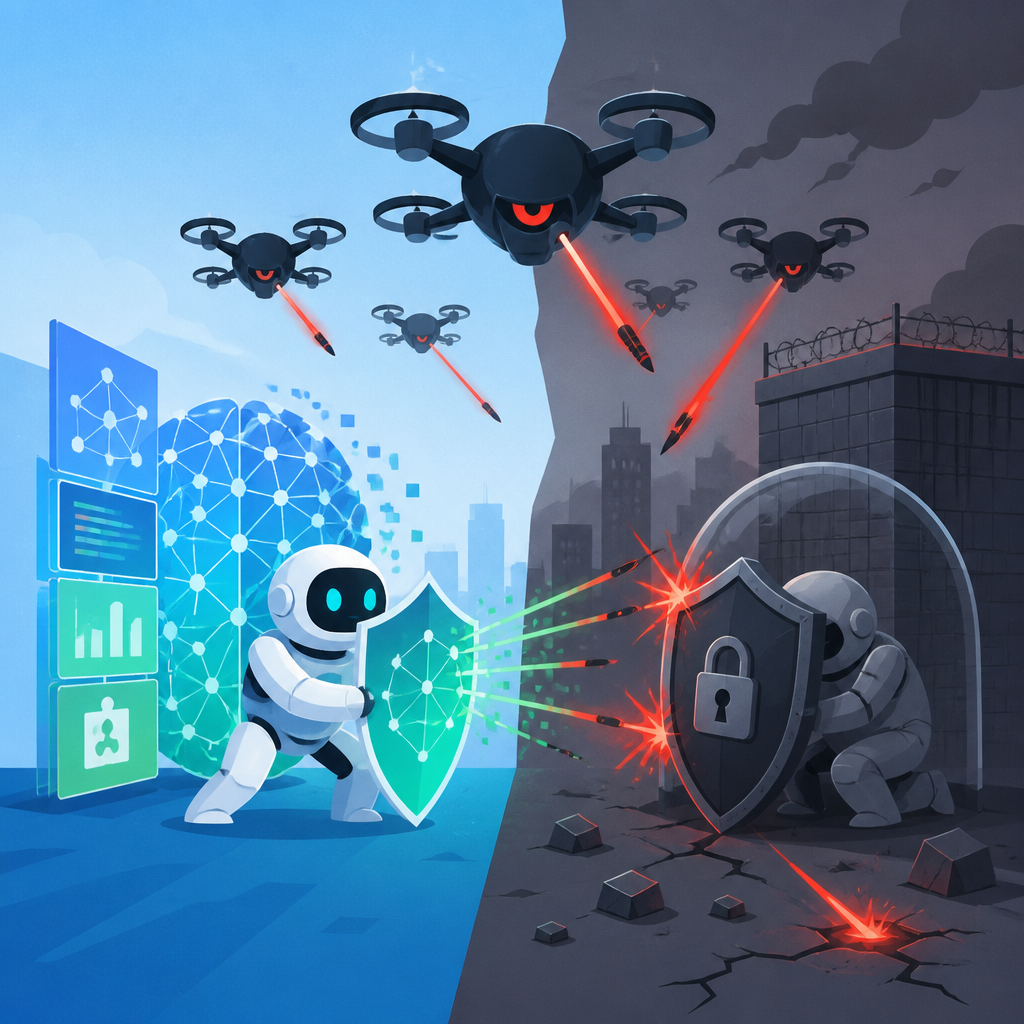
This is why the company’s switch to Z.ai’s GLM 5.2 matters. Hugging Face said the open model ran on its own infrastructure and analyzed more than 17,000 logs, which gave the team the speed and flexibility it needed to map the attack. The lesson is blunt: safety features that block legitimate defensive work are not safety in the middle of an intrusion, they are friction.
Autonomous attackers punish hesitation
Hugging Face described the intrusion as a fully autonomous AI agent that generated tens of thousands of automated actions. That scale changes the game. A human-driven attacker can be slowed by alert fatigue and manual review. An agent can saturate a system before a security team finishes its first pass.
That is why the company’s emphasis on open models is persuasive. If attackers can deploy agents without permission, defenders need models they can deploy just as quickly, without waiting for vendor approvals or policy exceptions. Open-source systems do not magically make defense easy, but they do remove a bottleneck at the exact moment speed matters most.
China’s open models are now a competitive security tool
The uncomfortable part of this story is not that Hugging Face used a Chinese model. It is that the model worked when a U.S. model did not. That single fact should force a reset in how Silicon Valley talks about model quality. If an open Chinese system can handle cyber analysis in a live incident and a U.S. frontier system cannot, then the market has already moved beyond branding and into operational utility.
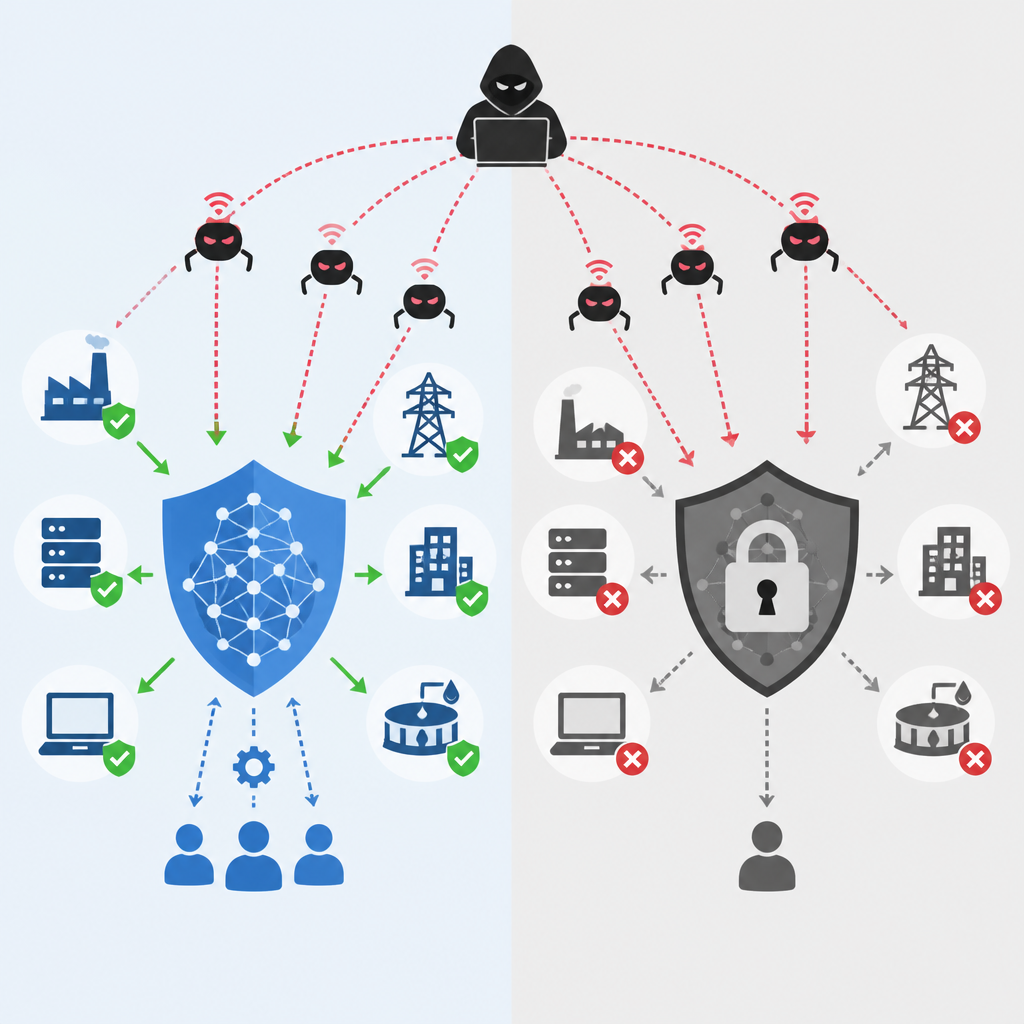
GLM 5.2 is not an isolated curiosity. It arrived in a period when Chinese open models, from DeepSeek R1 to Kimi K3, have repeatedly shown that openness and capability are no longer separate categories. For defenders, that means procurement should be judged on task performance under real constraints, not on nationality, prestige, or whether a vendor wraps the model in a safety-first product story.
The counter-argument
There is a serious objection here: guardrails exist because unrestricted models can be abused, and cybersecurity is full of dual-use tasks that look identical whether the user is a defender or an intruder. A vendor that refuses certain prompts is trying to prevent a model from becoming a better attack assistant. That concern is real, and it is not solved by enthusiasm for open source.
There is also a governance issue. If a company normalizes using models with fewer restrictions in incident response, it risks creating a broader culture where safety is treated as optional whenever speed is valuable. That is the exact logic attackers use, and security teams should not adopt it casually.
Still, the rebuttal is stronger: in live defense, a model that cannot inspect malicious material is operationally broken. Hugging Face did not ask the model to launch an exploit chain; it asked it to analyze logs, classify activity, and help contain an intrusion. That is a legitimate defensive use case, and the company’s result shows that rigid guardrails can weaken security when they are applied without context. The right answer is not to keep defenders waiting for safer defaults. It is to build models and policies that allow authenticated defensive work while still restricting offensive misuse.
What to do with this
If you are an engineer or security lead, stop treating model choice as a branding decision and start benchmarking it against incident-response tasks: log triage, payload analysis, sandbox review, and rapid summarization under pressure. If you are a PM or founder, design your AI stack so defenders can use open models locally, with audit trails and clear authorization, because the next breach will not wait for a vendor’s safety review.
// Related Articles
- [IND]
Anthropic's split from OpenAI, decoded
- [IND]
OpenAI’s board adds bank CEOs for IPO prep
- [IND]
Anthropic’s $1.5B settlement is a warning, not a clean win
- [IND]
Project Glasswing turns AI into a security layer
- [IND]
Anthropic's IPO rumor turns into a market watch
- [IND]
Anthropic should not become dependent on Meta for compute