Google’s Gemini Enterprise Agent Platform makes agents a cloud servic…
Google Cloud is turning agents into a managed service with deployment, scaling, and governance.

2024 marks the shift from agent demos to managed cloud deployment on Google Cloud.
Google’s Gemini Enterprise Agent Platform is the right model for enterprise AI: agents should be deployed, scaled, governed, and updated like any other production service, not stitched together as one-off prompts.
The first argument: production agents need real infrastructure
Get the latest AI news in your inbox
Weekly picks of model releases, tools, and deep dives — no spam, unsubscribe anytime.
No spam. Unsubscribe at any time.
The documentation does not describe a toy wrapper around a chat model. It exposes deployment paths through Python SDK, source files, and container images, then pairs them with Agent Engine, resource allocation, and scaling controls. That is the language of operations, not experimentation.
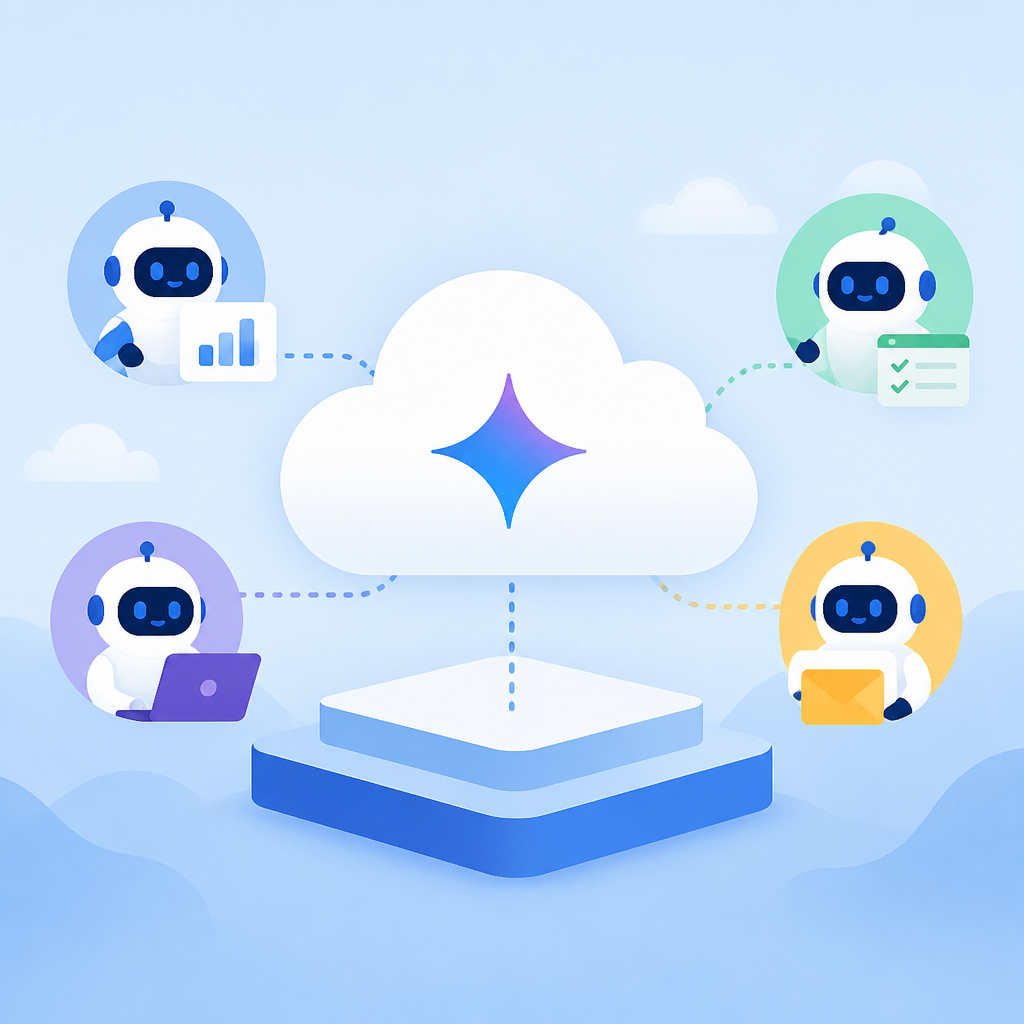
That matters because the failure mode of most agent projects is not intelligence, it is lifecycle chaos. Teams can get a prototype running in a notebook in a day, then spend weeks rebuilding packaging, secrets handling, rollout logic, and observability. By making deployment a first-class feature, Google is acknowledging the actual bottleneck.
The second argument: governance is part of the product, not an afterthought
The platform also sits inside a larger Google Cloud surface that includes IAM, APIs, model references, notebooks, and governance-adjacent services. That is important because enterprise agents touch data access, permissions, and audit trails from the first request, not after the first incident.
In practice, this is where most agent platforms fail. A system that can call tools without clear resource boundaries becomes a security review problem the moment it reaches production. Google’s choice to bundle deployment with managed resource controls and a broader cloud control plane is the correct answer to that problem. It reduces the gap between what the agent can do and what the organization is willing to allow.
The counter-argument
The strongest objection is that managed platforms create lock-in and slow teams down. A founder or platform engineer can argue that open frameworks, self-hosted runtimes, and lightweight orchestration offer more freedom, lower costs, and fewer moving parts. That view is not wrong. It is rational for small teams with narrow use cases.
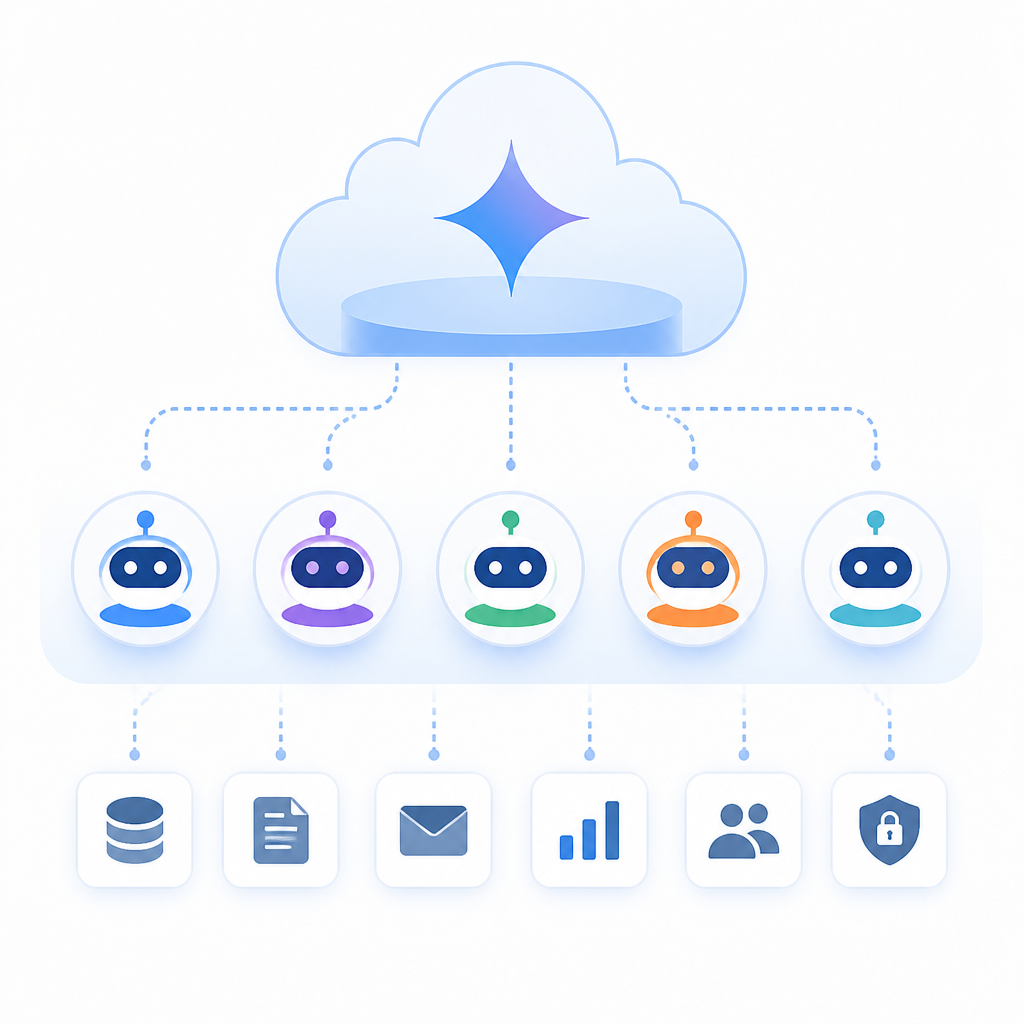
But that objection stops at the prototype stage. Once agents need role-based access, deployment hygiene, scaling, and repeatable updates, “simple” open tooling becomes a stack of custom glue. The platform tax moves from vendor fees to engineering hours. Google is not selling convenience alone; it is selling a narrower blast radius for production risk.
What to do with this
If you are an engineer, stop treating agent work like prompt engineering and start treating it like service design: define deployment, permissions, rollback, and monitoring before you ship. If you are a PM or founder, choose the platform that makes those boring controls native, because the first real agent in your company will be judged on reliability, not cleverness.
// Related Articles
- [AGENT]
Anthropic Models: Build Better Agent Endurance
- [AGENT]
WorkBuddy Proves Harness Engineering Matters More Than Model Size
- [AGENT]
Perplexity should build Teammate as a coding agent, not a copilot
- [AGENT]
HP adopts OpenAI Frontier across global operations
- [AGENT]
Build a production vector DB for RAG
- [AGENT]
Ornith-1 turns agent coding into a server