Perplexity should build Teammate as a coding agent, not a copilot
Perplexity should treat Teammate as a long-horizon coding agent, not autocomplete.

20 billion-dollar Perplexity is testing Teammate as a long-horizon coding agent, not autocomplete.
Perplexity should build Teammate as a long-horizon coding agent, not a faster autocomplete box.
Business Insider reported on July 7, 2026 that Perplexity has been using an internal tool codenamed Teammate since May, and the reported design point matters more than the launch rumor. The tool is described as model-agnostic and aimed at project ownership, issue investigation, and service monitoring. That is the right direction. Developers do not need another inline suggestion engine. They need software that can hold context across repos, logs, CI, and incidents without collapsing into a stream of disconnected prompts.
First, the product category that wins is the one that owns the task
Get the latest AI news in your inbox
Weekly picks of model releases, tools, and deep dives — no spam, unsubscribe anytime.
No spam. Unsubscribe at any time.
The strongest evidence is how engineering work actually happens. A bug report does not live in one file, one prompt, or one model call. It spans stack traces, feature flags, deployment history, and code ownership. Cursor and Claude Code succeeded because they moved beyond raw text generation and into workflow. Teammate should go further by treating a task as a durable object with state, history, and explicit handoff points. That is the only way an AI coding tool becomes useful for real teams instead of just impressive in demos.
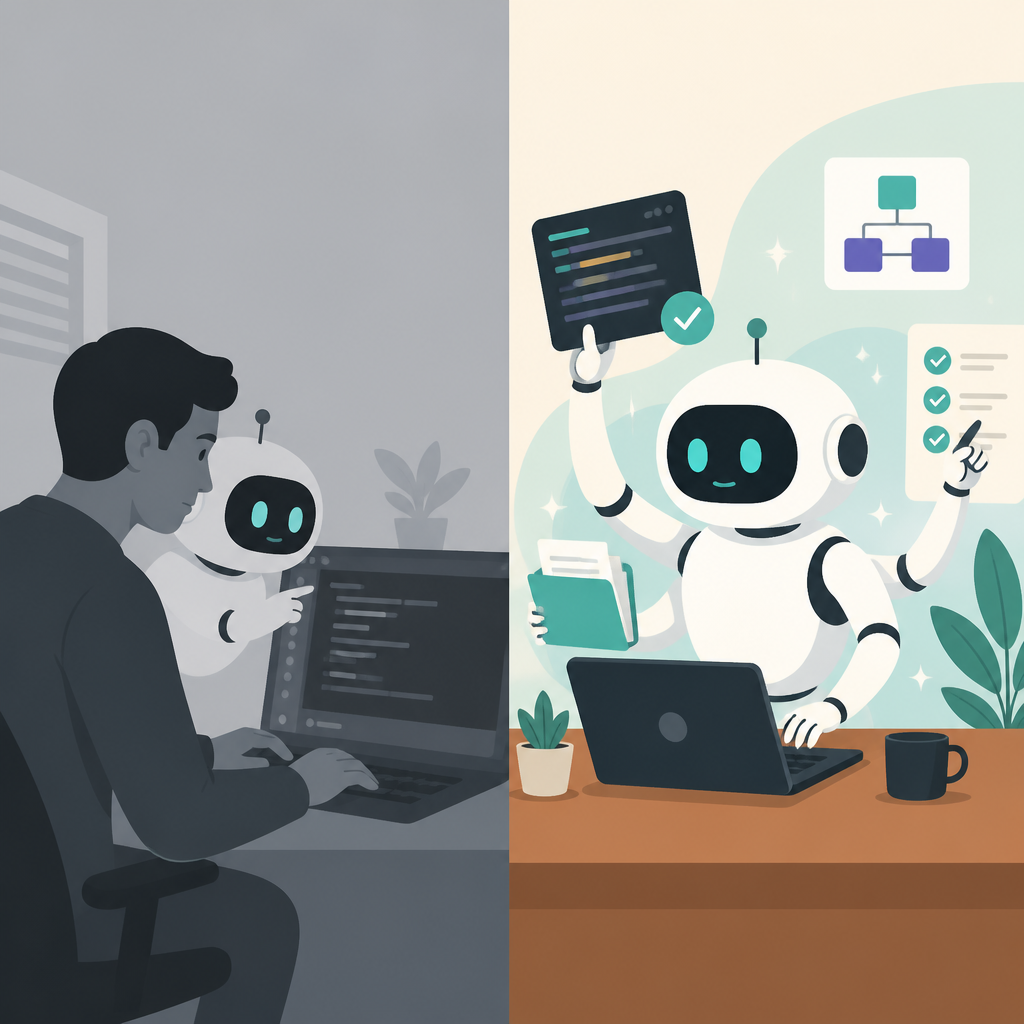
Perplexity has a structural advantage here because search and context assembly are already its core strengths. A coding assistant built by a company that understands retrieval can connect code, docs, tickets, and observability data better than a model-first product that treats context as an afterthought. In practice, that means the assistant should answer with evidence, not vibes. If it proposes a patch, it should show which files, logs, and dependencies informed the recommendation. If it cannot cite the trail, the recommendation is not production-ready.
Second, model-agnostic is the right architecture for trust and velocity
The report says Teammate is model-agnostic, and that is the correct choice for a serious engineering product. Model lock-in is a trap when the job is orchestration. Different subtasks need different strengths: planning, code search, summarization, patch generation, and incident triage. A model-agnostic layer lets Perplexity route work to the best backend without rebuilding the product every time the model market shifts. That flexibility matters more than bragging rights about a single frontier model.
There is also a trust argument. If Teammate touches private repositories or production systems, teams need to know exactly what happened at every step. Which context was retrieved? Which credentials were used? Which actions were suggested, approved, and executed? A model-agnostic system can support that audit trail if it is designed properly. Without it, the product becomes a black box with a nicer UI. Engineering leaders will not accept that for code changes, incident response, or service monitoring.
The counter-argument
The best objection is simple: coding assistants already have a crowded market, and Perplexity is late. Cursor owns mindshare among builders. Claude Code has strong model quality and a clear developer story. GitHub Copilot still sits inside the workflow for millions of users. In that environment, another assistant risks becoming a feature, not a company. Search strength alone does not guarantee adoption if the product does not feel faster, safer, and better integrated than what teams already use.
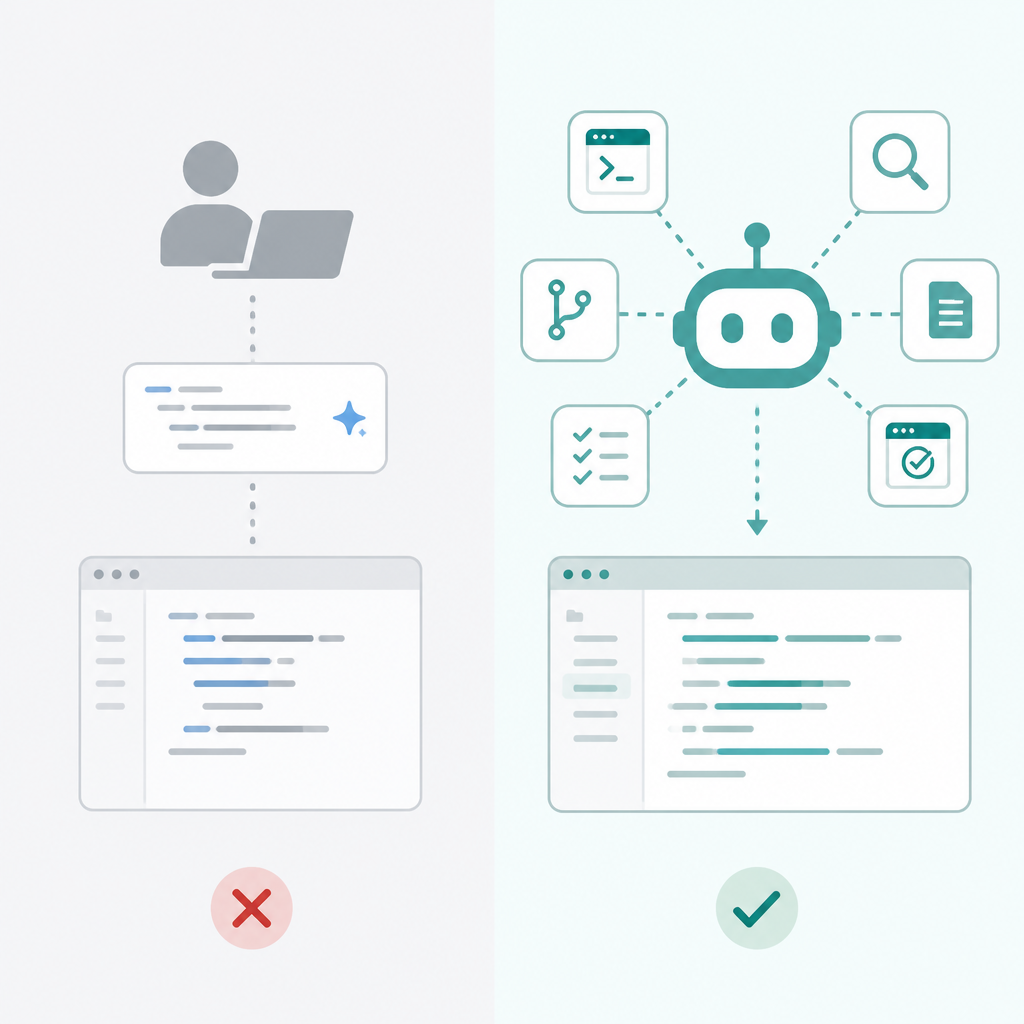
That objection is serious, but it does not defeat the thesis. Perplexity does not need to beat every incumbent on day one. It needs to be better at the hardest part of the job: long-running, stateful engineering work. If Teammate can investigate issues across systems, maintain task memory, and produce auditable actions, it will occupy a distinct category. The limit is clear: if it ships as just another chat interface for code, it loses. If it ships as a task-owning agent with traceability, it earns a place in the stack.
What to do with this
If you are an engineer or product leader, evaluate Teammate by workflow quality, not by model hype. Ask whether it preserves task state across files and incidents, whether it exposes retrieval and action logs, whether it respects repository permissions, and whether a human can review every meaningful step before code lands. If Perplexity gets those details right, Teammate will be more than a coding assistant. It will be a credible agent for real engineering operations.
// Related Articles
- [AGENT]
HP adopts OpenAI Frontier across global operations
- [AGENT]
Build a production vector DB for RAG
- [AGENT]
Ornith-1 turns agent coding into a server
- [AGENT]
Crypto AI agents are useful, but only for narrow workflows
- [AGENT]
AI Agents in Crypto: 2026 Protocol Guide
- [AGENT]
Agent Network shows the Pentagon is right to put AI in the kill chain…