WorkBuddy Proves Harness Engineering Matters More Than Model Size
WorkBuddy shows that reliable agents come from harness engineering, not model size alone.

WorkBuddy shows that reliable agents come from harness engineering, not model size alone.
Model quality is not the main reason an agent works in production; the harness is.
WorkBuddy’s own write-up makes that plain. The product is described as one of the few domestic AI applications that feels usable on local models precisely because it treats execution as a system problem: tools, context, permissions, validation, and cross-session continuity are engineered around the model instead of being left to prompt luck. That matters because long-running work fails in predictable ways. An agent either tries to do too much in one pass and loses the thread, or it sees partial output and declares victory too early. A strong harness is the only practical answer to both failures.
First argument: production agents fail at execution before they fail at reasoning
Get the latest AI news in your inbox
Weekly picks of model releases, tools, and deep dives — no spam, unsubscribe anytime.
No spam. Unsubscribe at any time.
Agent systems usually break at the boundary between intent and action. The model can understand the task, but it does not own state, file changes, approvals, or verification. WorkBuddy’s framing is useful because it treats the model as a stateless function whose output depends on the current prompt, tools, history, and instructions. That means reliability comes from everything wrapped around the model: what context is injected, what tools are exposed, what gets checked before execution, and what evidence is required before a task is marked done.
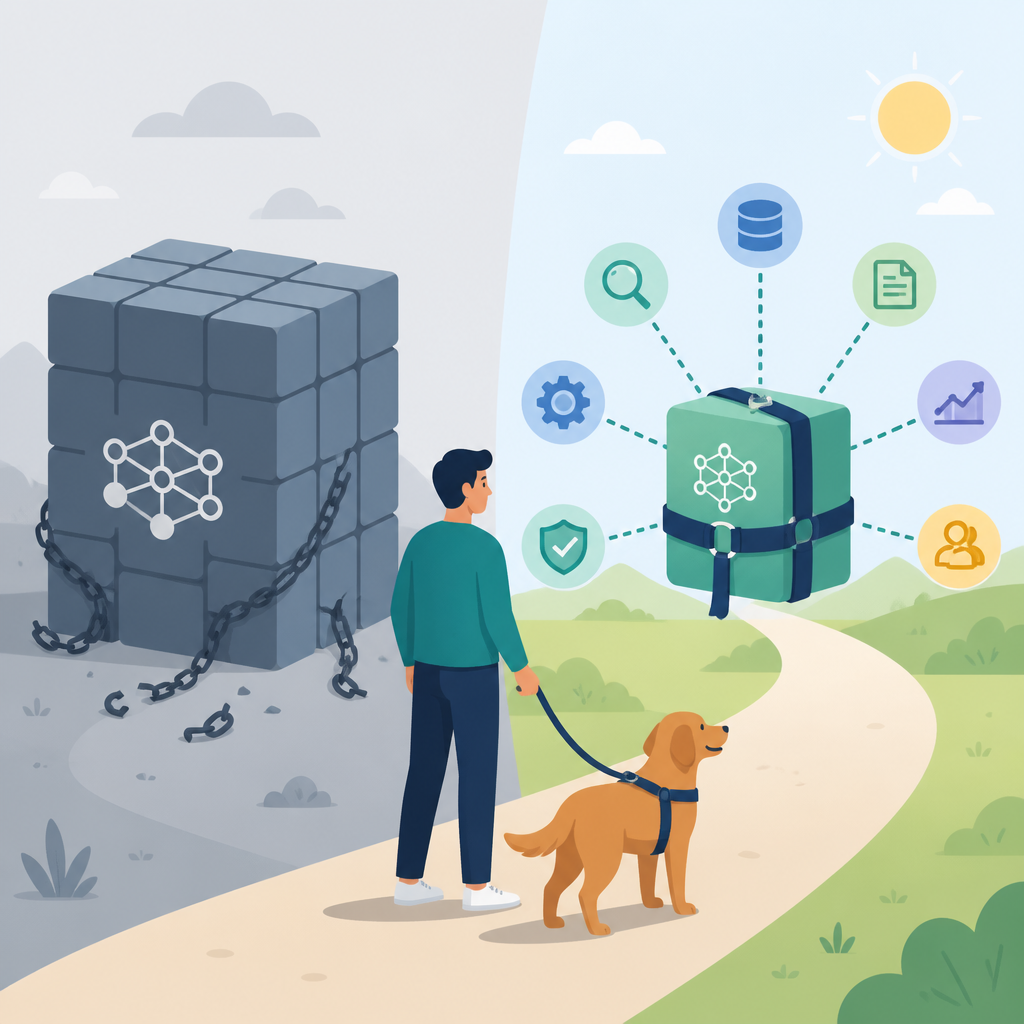
A concrete example is tool use. In WorkBuddy’s model, the model proposes a structured call, but the agent executes it after checking parameters and permissions. That separation is not cosmetic. It is the difference between a system that can ask for a destructive action and a system that can actually carry one out. If the agent is the one holding the API key, issuing requests, and mutating data, then the harness must enforce approval gates, audit logs, and validation outside the model. Otherwise the model is not an assistant; it is an uncontrolled instruction generator.
Second argument: long tasks need workflow memory, not bigger prompts
WorkBuddy’s strongest insight is that long tasks should be decomposed into stable workflows, not stuffed into a larger context window. The article describes a full stack of context engineering: write the task state explicitly, select only what matters now, retrieve missing facts on demand, compress old material, and isolate side quests into sub-agents. That is the right answer to agent drift. A larger window does not solve confusion if the wrong information keeps crowding out the right information.
The article’s treatment of skills makes the point even more clearly. A skill is not a single tool call; it is a proven procedure for a class of tasks. For example, a PR-creation skill can require reading repo rules, checking git status, running tests, generating a description, and only then publishing. That is the level at which agent behavior becomes dependable. The workflow is versioned, reviewable, and reusable. By contrast, trying to store procedural habits in long-term memory would blur the line between facts about the user and instructions for the agent, which is exactly how systems become unpredictable.
The counter-argument
The opposing view is straightforward: the model is the product, and every other layer is secondary. If the model is strong enough, it can infer the right tool, recover from bad context, and manage multi-step work without so much scaffolding. This view is not foolish. Better models do reduce the amount of orchestration needed, and some narrow tasks do work with little more than a prompt and a few tools.
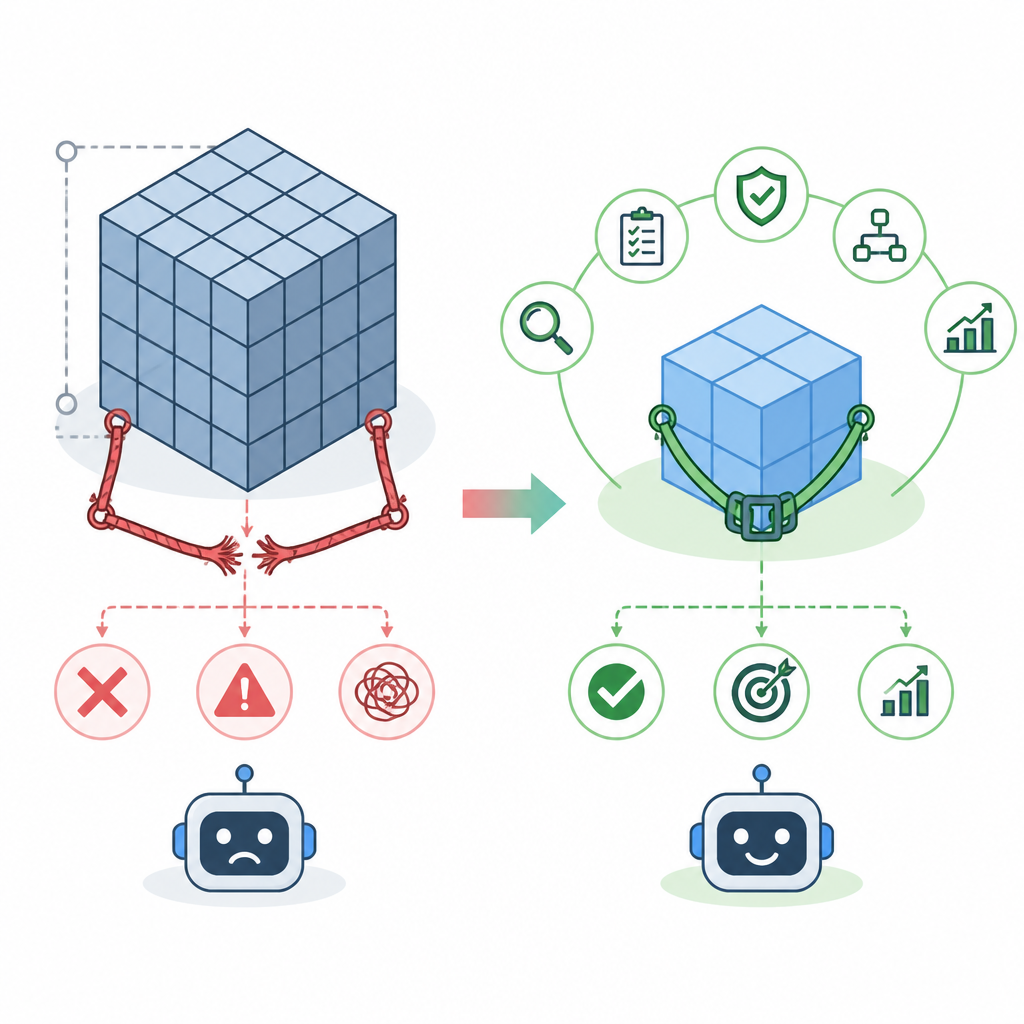
But that argument collapses in production settings where the task spans time, permissions, and verification. WorkBuddy’s article is centered on exactly those cases. A system that must resume across sessions, avoid overwriting user work, validate results with a browser, and preserve a clean handoff cannot rely on raw model intelligence alone. The limit is not philosophical, it is operational: without a harness, the agent can sound right while being wrong, or finish fast while leaving a broken artifact behind.
I accept one part of the counter-argument: stronger models reduce harness complexity. They do not eliminate the need for it. In fact, the better the model, the more valuable the harness becomes, because the system can spend its intelligence on the task instead of on compensating for missing state, missing checks, and missing workflow boundaries. Reliability comes from the combination, but the harness is what turns capability into repeatable output.
What to do with this
If you are an engineer, design your agent like a production system, not a chat demo. Keep the model stateless in your mental model, push permissions and side effects into the harness, make skills explicit, and require verification before completion. If you are a PM or founder, stop asking whether your model is “smart enough” and start asking whether your agent can resume work, explain its progress, prove its results, and fail safely. That is the standard users feel, and it is the standard that decides whether an agent is impressive or actually usable.
// Related Articles
- [AGENT]
Perplexity should build Teammate as a coding agent, not a copilot
- [AGENT]
HP adopts OpenAI Frontier across global operations
- [AGENT]
Build a production vector DB for RAG
- [AGENT]
Ornith-1 turns agent coding into a server
- [AGENT]
Crypto AI agents are useful, but only for narrow workflows
- [AGENT]
AI Agents in Crypto: 2026 Protocol Guide